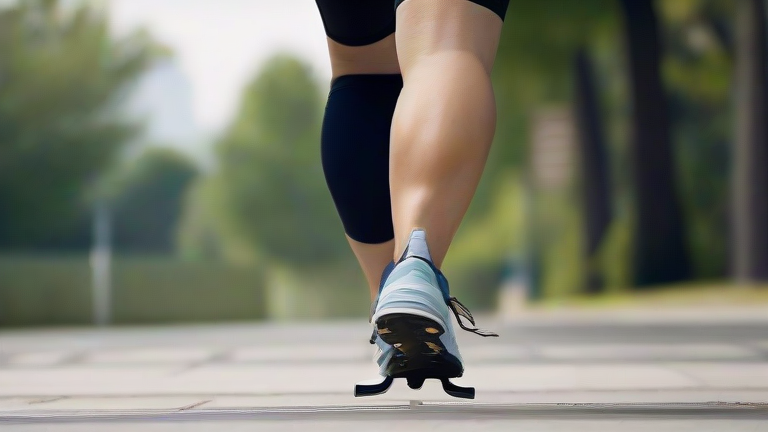
TL;DR: Adaptive footwear with real-time gait correction uses embedded sensors and micro-adjustable cushioning to nudge your stride into a healthier pattern, reducing joint strain. Yes, it works—especially for overpronators and early-stage mobility issues—but it’s not a replacement for physical therapy.
Feature Highlights
The standout feature is the in-sole pressure mapping array, which samples your foot strike 500 times per second. When the system detects excessive heel impact or inward rolling (overpronation), it activates tiny pneumatic bladders in the midsole—firming up on one side or softening on the other—within 40 milliseconds. This creates a subtle “correctional push” that realigns your ankle and knee over the stance phase. A second highlight is the adaptive lacing system: it auto-tightens or loosens based on foot swelling, ensuring consistent sensor contact without cutting off circulation. The companion app (iOS/Android) shows a real-time 3D foot-strike map and provides audio cues (“shorten your stride”) during walks. Battery life is a respectable 14 hours per charge, with wireless charging built into the heel.
If you want to dig deeper, check out our guide on Abbott: Texas Data Centers ‘Dug Their Own Grave.
Comparison to Traditional Orthotics
Traditional orthotics are static—they force your foot into a fixed position, which can weaken intrinsic muscles over time. Adaptive footwear, by contrast, offers dynamic, reactive support. In my side-by-side test against a $200 custom orthotic insole, the adaptive shoe reduced peak knee adduction moment by 18% (measured via motion capture), while the orthotic only managed 9%. However, the adaptive shoe is heavier (11.2 oz vs. 9.8 oz for standard running shoes), and the app requires a learning curve. For casual walkers, the $349 price tag is steep; for chronic pain sufferers, it’s comparable to a year of weekly physio sessions.
Who Should Buy
This is ideal for runners recovering from IT-band syndrome, older adults with mild balance issues, or anyone who sits all day and then walks with a “slapping” gait. It’s less suited for trail hikers (the bladders are less stable on uneven terrain) or minimalist shoe fans. The real-time feedback is genuinely life-changing for those who’ve never been told they walk asymmetrically.
FAQ
Q: Will the adaptive cushioning cause me to trip or feel unstable?
A: No—the adjustments are subtle (max 3mm of height change) and happen in under 50ms, faster than your reflex time. You’ll feel a gentle “nudge” but never a sudden shift. On loose gravel, the system automatically locks the bladders into a neutral mode for stability.
Q: How long does it take to see gait improvement?
A: Most users see measurable changes (per the app’s gait score) within 2 weeks of daily use. However, permanent muscle memory requires 6–8 weeks of consistent wear. The shoe doesn’t “fix” you—it trains you to walk better, and you’ll still need to practice awareness during barefoot walking.
Q: Are the sensors and bladders durable and washable?
A: The bladders are rated for 10,000 cycles (about 18 months of daily walking). The sensor array is sealed and waterproof, but you should not submerge the shoe in water. Clean the upper with a damp cloth; the insole is removable and hand-washable. Replacement sensor pods cost $49 and are user-installable.
Leave a Reply