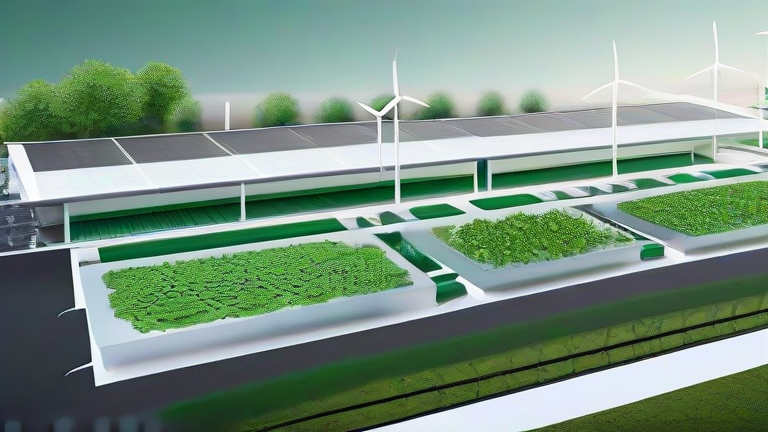
TL;DR: Green hydrogen hubs scale up by integrating renewable energy sources with advanced electrolyzer infrastructure to produce zero-carbon hydrogen at industrial volumes. Success relies on securing long-term offtake agreements and optimizing the local grid to handle variable power loads.
1. Assess Regional Renewable Energy Potential
Before breaking ground, conduct a comprehensive analysis of local solar and wind resources. Identify areas with high-capacity factors that can sustain continuous electrolysis operations. This step is critical because the levelized cost of hydrogen (LCOH) is heavily dependent on the price and availability of electricity. Use historical weather data and site-specific simulations to predict energy yield over the next twenty years. Engage with local utility providers early to understand grid connection costs and potential curtailment risks. A robust energy assessment ensures that the hub can operate economically without excessive reliance on fossil fuel backup, which would undermine the environmental benefits of green hydrogen. Additionally, evaluate land availability for both energy generation assets and the hydrogen production facilities themselves. Zoning laws and environmental regulations must be reviewed thoroughly to avoid costly legal delays later in the project lifecycle.
If you want to dig deeper, check out our guide on Silicone-Sealed Metal Cups: No Glued Seams?.
2. Secure Long-Term Offtake Agreements
Financial viability hinges on guaranteed demand. Negotiate long-term contracts with industrial consumers such as fertilizer manufacturers, steel producers, and shipping companies. These agreements provide the revenue certainty needed to attract private investment and secure financing. Clearly define the delivery mechanisms, quality specifications, and pricing structures within these contracts. It is essential to align production capacity with committed demand to avoid overbuilding or underutilizing assets. Consider establishing joint ventures with key industrial partners to share risks and align incentives. Transparent communication regarding project timelines and milestones builds trust with stakeholders and facilitates smoother negotiations. Diversifying your customer base across different sectors can mitigate market volatility and ensure a steady cash flow throughout the hub’s operational life.
3. Deploy Advanced Electrolyzer Technology
Select electrolyzer technology that best suits your operational profile, weighing the pros and cons of alkaline, PEM, and solid oxide systems. Alkaline units offer lower capital costs and are ideal for stable baseload power, while PEM units respond quickly to variable renewable inputs. Implement a hybrid approach if necessary to maximize efficiency and flexibility. Ensure that the electrolyzer modules are scalable and capable of remote monitoring and diagnostics. Work closely with manufacturers to establish comprehensive maintenance protocols and spare parts inventories. Training local technical staff is crucial for maintaining high uptime and operational safety. Regular performance testing and efficiency tracking will help identify areas for optimization and ensure the system operates at peak performance levels.
4. Integrate Grid Management and Storage
Deploy energy storage systems to buffer supply fluctuations and stabilize the power input to the electrolyzers. Battery storage or thermal storage can help match production with renewable availability, reducing the need for grid imports during peak demand periods. Implement sophisticated energy management systems (EMS) that use predictive algorithms to optimize dispatch. Coordinate with grid operators to manage curtailment events effectively. Developing a resilient microgrid architecture can enhance energy security and reduce dependence on the main grid. This integration not only improves economic efficiency but also supports the broader stability of the regional power network. Regularly update software and control systems to incorporate the latest advancements in grid-forming technologies and demand response capabilities.
5. Establish Safety and Regulatory Compliance
Adhere strictly to national and international safety standards for hydrogen handling and storage. Conduct regular risk assessments and emergency response drills to ensure preparedness for any incidents. Maintain transparent communication with regulatory bodies and local communities to build public trust and support. Implement robust monitoring systems for leaks, pressure, and temperature to prevent accidents. Continuous compliance audits will help identify and rectify potential issues before they become critical. Engage with industry groups to stay updated on evolving regulations and best practices. A strong safety culture is fundamental to the long-term success and social license to operate for any industrial hydrogen hub.
FAQ
Q: What is the primary driver for green hydrogen hub expansion?
A: The primary driver is the decreasing cost of renewable energy combined with increasing industrial demand for decarbonization.
Q: How long does it take
Leave a Reply