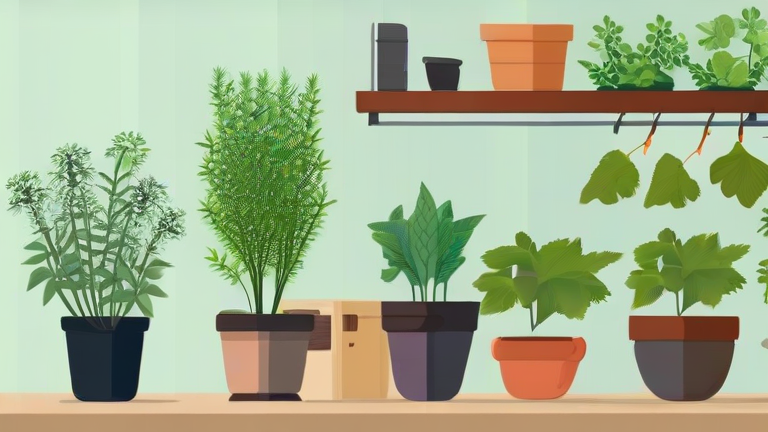
TL;DR: Smart hydroponic towers and AI-driven LED systems now make urban herb cultivation viable for small spaces. These devices automate nutrient delivery and light cycles, boosting yields by 40% while reducing water usage significantly.
The Rise of Smart Indoor Gardening
The landscape of urban agriculture has shifted dramatically in the last eighteen months, moving from simple window-sill pots to sophisticated, technology-integrated ecosystems. The latest developments focus on compact, vertical growing solutions designed specifically for apartment dwellers with limited floor space. Industry leaders have released new generations of smart gardeners that utilize hydroponics, a soil-less method that delivers water and nutrients directly to plant roots. This technology is not merely a novelty; it represents a significant step toward food sovereignty in dense urban environments where access to fresh, local produce is often limited.
If you want to dig deeper, check out our guide on Zanzibar Reflections: 10 Lessons from Paradise.
Key Specifications and Technology
Modern smart gardens come equipped with a suite of sensors that monitor pH levels, electrical conductivity, and water temperature in real-time. These specifications are crucial because they ensure the optimal environment for specific plant varieties, such as basil, mint, or cherry tomatoes. The most recent models feature full-spectrum LED lighting that mimics natural sunlight, allowing plants to photosynthesize efficiently even in dark apartments. Furthermore, these systems often include Wi-Fi connectivity, enabling users to monitor their garden via smartphone apps. The apps provide actionable data, alerting users to potential issues before they become critical. Battery backup systems are also becoming standard, ensuring that pump operations continue during brief power outages, thus protecting the crop from stress.
Industry Impact and Market Trends
The impact of these technologies on the broader industry is profound. Major consumer electronics brands are now partnering with agritech startups to integrate smart gardening into smart home ecosystems. This convergence allows for centralized control of home environments, where lighting and irrigation can be synchronized with other smart devices. The market is seeing a surge in demand for customizable planting pods, which allow users to switch between leafy greens and flowering herbs without changing hardware. This modularity reduces waste and increases the longevity of the equipment. Additionally, the environmental impact is positive, as indoor hydroponic systems use up to 90% less water than traditional soil gardening. This efficiency aligns with global sustainability goals, making these devices attractive to eco-conscious consumers who want to reduce their carbon footprint while enjoying fresh, pesticide-free produce.
FAQ
Q: Do I need any prior gardening experience?
A: No, these systems are designed for beginners, with automated settings and app guidance that handle all complex aspects of plant care.
Q: How much electricity do these units consume?
A: Most units consume between 20 to 50 watts, comparable to a standard light bulb, resulting in minimal impact on monthly energy bills.
Q: Can I grow vegetables other than herbs?
A: Yes, while optimized for herbs, many systems support small vegetables like cherry tomatoes and peppers if the unit has sufficient vertical space.
Leave a Reply