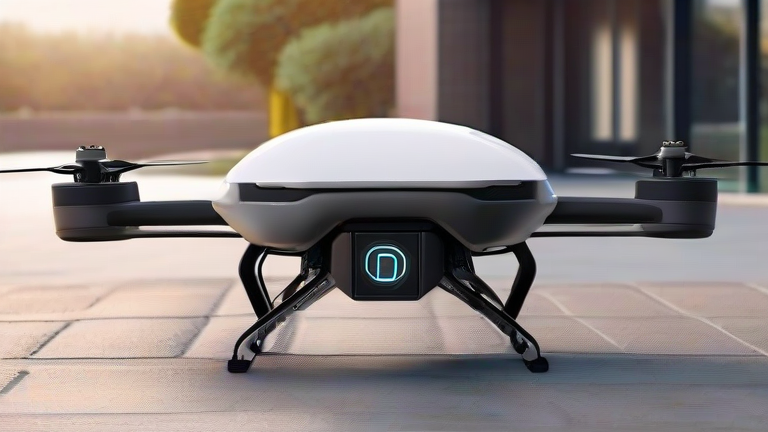
TL;DR: Autonomous delivery drones are rapidly transforming suburban logistics by reducing last-mile delivery costs and times, making them a viable mainstream solution. The future lies in integrated urban air mobility systems that leverage existing infrastructure and regulatory frameworks to scale efficiently.
Market Analysis: The Suburban Imperative
The e-commerce landscape is undergoing a seismic shift, with the “last mile” emerging as the most expensive and inefficient segment of the supply chain. Suburban areas, characterized by low population density and sprawling road networks, present a unique challenge for traditional ground-based delivery vehicles. However, these same areas offer the ideal testing grounds for autonomous aerial delivery. Market projections indicate that the global drone delivery market will exceed $10 billion by 2030, driven primarily by demand in suburban and semi-rural zones where ground traffic congestion is minimal but delivery distances are significant. Unlike dense urban centers, which face strict noise and safety regulations, suburban airspace is less contested, allowing for smoother integration of drone logistics. The economic model is compelling: while the initial capital expenditure for fleet management and technology is high, the operational savings per delivery unit decrease sharply as volume increases, promising a breakeven point within three to five years for major logistics players.
If you want to dig deeper, check out our guide on Why We’re Not Doing More Transplants: Could This Save More L.
Strategic Insights: Beyond the Hardware
Success in this sector requires more than just advanced robotics; it demands a holistic ecosystem strategy. Companies must focus on three core pillars: regulatory compliance, customer experience, and infrastructure integration. First, navigating the complex web of aviation regulations, particularly those set by the FAA and EASA, is critical. Proactive engagement with regulators to help shape safe operational standards can turn a barrier into a competitive advantage. Second, the customer experience must be seamless. This involves developing user-friendly apps for drop-off management and ensuring that the arrival of a drone is as convenient as a traditional courier. Third, infrastructure is key. Logistics companies are increasingly partnering with real estate developers to include drone landing pads in new suburban housing complexes and commercial centers. This “drone-ready” architecture minimizes the need for individual customer-side infrastructure, reducing friction and increasing adoption rates. Furthermore, data analytics play a pivotal role; optimizing flight paths using real-time weather and traffic data ensures energy efficiency and reliability, which are paramount for consumer trust.
Case Studies: Proof of Concept
Wing, an Alphabet company, has made significant strides in suburban delivery, particularly in Australia and the United States. By partnering with grocery chains, Wing demonstrated that drones could deliver fresh produce in under thirty minutes, a feat impossible for ground vehicles in many suburban scenarios. Their success hinged on a partnership model that leveraged existing retail infrastructure for pick-up and drop-off points, reducing the complexity of direct-to-door deliveries. Similarly, Amazon Prime Air has expanded its operational zones, focusing on areas where regulatory approval is strongest. Their strategy emphasizes small, lightweight packages, which are ideal for drone capacity, while reserving larger items for ground delivery. These case studies highlight that the future of suburban logistics is not about replacing ground delivery entirely, but rather creating a hybrid model where drones handle urgent, small-scale items, freeing up ground vehicles for larger, less time-sensitive shipments. This synergy maximizes fleet utilization and reduces overall carbon footprints, aligning with corporate sustainability goals.
FAQ
Q: How do drones handle adverse weather conditions?
A: Most commercial delivery drones are designed to operate in light rain and wind but will automatically reroute or cancel deliveries during severe storms to ensure safety and package integrity.
Q: Are drone deliveries cheaper for consumers?
A: Initially, there may be a premium for speed, but as technology scales and operational costs drop, drone delivery is expected to become comparable to or cheaper than standard ground delivery for small items.
Q: What is the primary barrier to widespread suburban adoption?
A: The primary barrier remains regulatory approval and public acceptance regarding privacy and noise, requiring extensive community engagement and transparent safety protocols to build trust.
Leave a Reply