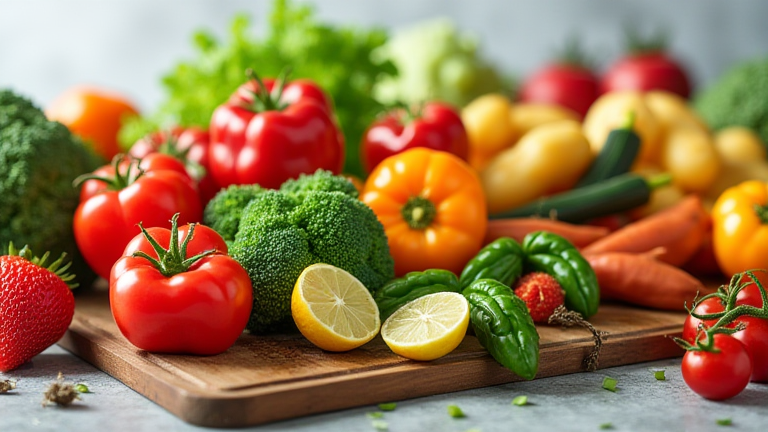
TL;DR: Whole foods are minimally altered natural products rich in essential nutrients, fiber, and antioxidants that support long-term metabolic health and gut integrity. Processed foods, conversely, undergo industrial refinement that strips away nutritional value while adding artificial additives, excessive sodium, and refined sugars that can disrupt hormonal balance and energy levels.
The Culinary Journey of Simplicity
Traveling through diverse food cultures often highlights the stark contrast between a vibrant local market stall and a sterile supermarket aisle. In regions like the Mediterranean or rural Japan, meals are built around whole ingredients: fresh tomatoes, olive oil, rice, and legumes. This approach is not merely about taste but represents a deep cultural respect for the source of sustenance. When we travel, we often discover that the most satisfying meals are those with the fewest ingredients, emphasizing the natural flavors that industrial processing often masks.
If you want to dig deeper, check out our guide on Cooked vs Blended Oatmeal: Which Is Healthier?.
Nutritional Integrity vs. Nutritional Void
The first major difference lies in nutrient density. Whole foods retain their natural fiber, vitamins, and minerals. For example, an orange provides pectin fiber that slows sugar absorption, whereas orange juice, a processed product, delivers rapid sugar spikes without the fiber. This distinction is critical for personal growth, as stable blood sugar levels directly impact cognitive function and emotional stability. Processed foods often rely on “bioengineering” to mimic freshness, using preservatives and colorants that offer no nutritional benefit.
Metabolic Impact and Energy Levels
Processed foods are typically high in refined carbohydrates and unhealthy fats, which trigger inflammatory responses in the body. Over time, this chronic inflammation can lead to fatigue, brain fog, and weight gain. Whole foods, conversely, require more energy to digest due to their complex structures, a process known as the thermic effect of food. This means you burn more calories simply by eating whole foods, supporting a healthier metabolic rate. For those focused on personal growth, this translates to sustained energy levels throughout the day, allowing for greater productivity and mental clarity.
The Psychological Connection to Food
There is a profound psychological difference between preparing a meal from scratch and heating up a pre-packaged dinner. Cooking with whole foods engages the senses and fosters mindfulness. It connects us to the seasons and the environment, a practice that is increasingly recognized as a form of self-care. In contrast, the convenience of processed foods often comes at the cost of disconnection. We become passive consumers rather than active participants in our well-being. This disconnection can contribute to a sense of emptiness or lack of control, which is detrimental to mental health.
Long-Term Health and Sustainability
Finally, the environmental impact cannot be ignored. Whole food systems tend to be more sustainable when sourced locally and seasonally, reducing the carbon footprint associated with long-distance transportation and packaging. Processed food industries rely heavily on plastic packaging and energy-intensive manufacturing processes. Choosing whole foods is thus an act of environmental stewardship, aligning personal health with global sustainability goals. This holistic view of health recognizes that our bodies and the planet are interconnected systems that thrive on natural, unprocessed inputs.
FAQ
Q: Are all processed foods bad for you?
A: No, not all processing is harmful. Lightly processed foods like steamed vegetables, frozen fruits, or nut butters retain most of their nutritional value. The concern lies with ultra-processed foods that contain synthetic additives and minimal whole ingredients.
Q: How can I transition to a whole food diet without feeling overwhelmed?
A: Start by replacing one meal a day with a whole food option, such as a salad or a grain bowl. Gradually increase the number of meals as you become more comfortable with preparation times and find recipes you enjoy.
Q: Does eating whole foods help with weight loss?
A: Yes, because whole foods are generally more satiating due to their fiber and water content. This leads to reduced calorie intake naturally, without the need for strict portion control or restrictive dieting.
Leave a Reply