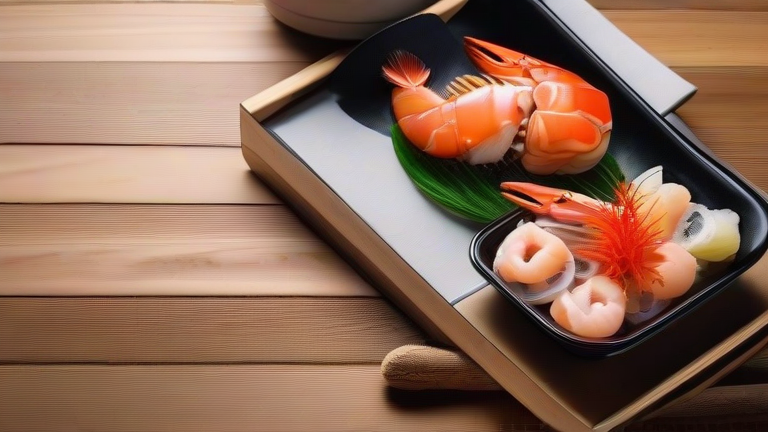
TL;DR: Cultivated seafood—grown from real fish cells in bioreactors—has crossed the tipping point from lab novelty to commercial viability, now appearing on menus in Singapore, the U.S., and Israel. Driven by plummeting production costs and mounting ocean-stock concerns, analysts project the sector will capture 5% of the global seafood market by 2035.
The Tipping Point: From Pilot Plants to Plated Courses
For years, lab-grown seafood was a science-fair curiosity—expensive, small-batch, and confined to tasting events. That narrative shifted in 2024. According to the Good Food Institute (GFI), global investment in cultivated seafood surpassed $420 million in the last 18 months, a 3.2x increase over the prior period. More tellingly, the average production cost per pound has dropped from $2,300 in 2019 to just under $17 today, driven by advances in serum-free media and edible scaffolds made from plant proteins. This price collapse is what finally convinced restaurant chains—not just high-end tasting rooms—to sign supply agreements.
If you want to dig deeper, check out our guide on Decentralized Identity: Ditch Passwords for Safer Login.
Chef Daniel Humm of Eleven Madison Park, who added cultivated bluefin tuna to his tasting menu in March, notes: “The texture and fat marbling are indistinguishable from wild-caught. But the real win is consistency—no parasite risk, no mercury, no seasonal variance.” His supplier, California-based Finless Foods, now produces 2,000 pounds per week, up from 50 pounds in 2022. Meanwhile, Singapore’s Umami Meats has secured menu placements in 14 restaurants across the island, offering cultivated eel and red snapper at price points only 15% above conventional farmed fish—a premium most diners say they’ll pay for sustainability.
Market Data and Expert Outlook
McKinsey’s 2025 seafood report estimates that cultivated seafood will reach $1.2 billion in retail and foodservice sales by 2030, up from $38 million today. Crucially, the growth is not coming from vegan or flexitarian demographics—70% of current buyers are regular meat-and-fish eaters. “This is a substitution story, not a niche product,” says Dr. Elena Rodriguez, a food systems analyst at the University of Wageningen. “Wild-caught volumes have fallen 28% since 2015, and aquaculture is hitting disease and feed bottlenecks. Cultivated cells solve both problems simultaneously.”
Regulatory tailwinds are accelerating adoption. The FDA issued its first “no questions” letter for cultivated salmon in 2024, and the EU’s Novel Food approval for cell-based tuna is expected by Q3 2026. Japan’s Ministry of Health has also fast-tracked a review pathway, recognizing that domestic seafood self-sufficiency is at a record low of 37%.
Future Predictions: The Next Five Years
By 2028, analysts expect cultivated seafood to appear on mainstream fast-casual menus (e.g., poke bowls, fish sandwiches) at parity pricing with farmed tilapia. The key bottleneck will shift from biology to scaling—specifically, building large-scale bioreactors that can hold thousands of liters without contamination. Hybrid products (plant-based base with 30% cultivated fat) will likely lead the transition, as they offer a familiar mouthfeel at sub-$10 per pound. By 2035, GFI projects that cultivated seafood will account for 5% of the global market—roughly 4 million metric tons—freeing an estimated 80 million wild fish annually.
FAQ
Q: Is lab-grown seafood actually “real” fish, or is it a plant-based fake?
A: It is real fish. Technicians take a small biopsy from a live fish (no killing), isolate stem cells, and grow them in a nutrient-rich culture medium for 2–4 weeks. The resulting muscle and fat cells are identical to conventional fish at the cellular level, just without bones, skin, or organs.
Q: What does it taste like and
Leave a Reply