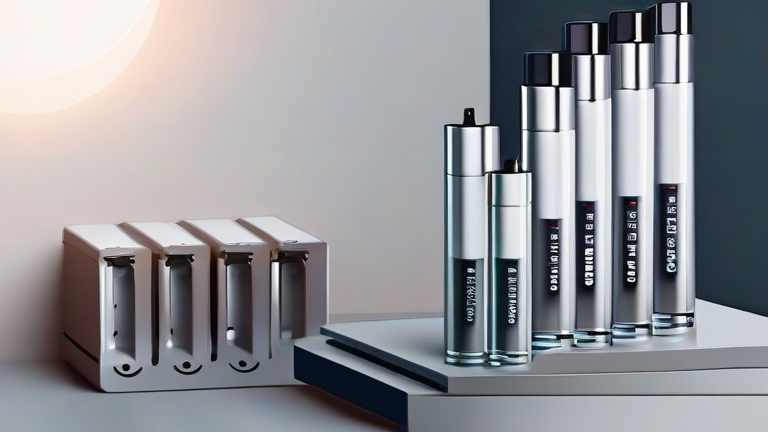
TL;DR: Solid-state batteries are currently transitioning from laboratory prototypes to pilot-scale manufacturing, with key milestones achieved in 2024 focusing on consistent yield and reduced production costs. Major automotive OEMs and battery manufacturers are committing to specific gigafactory lines for 2027, signaling the start of limited commercial deployment before broader market saturation.
Market Analysis: The Shift from Lab to Line
The global energy storage market is undergoing a fundamental shift as lithium-ion technology approaches its theoretical energy density limits. Solid-state batteries (SSBs), which replace flammable liquid electrolytes with solid materials, promise higher energy density, faster charging, and improved safety. However, the market analysis reveals a distinct gap between technical potential and commercial viability. Current market forecasts indicate that while SSBs will capture a significant share of the premium EV segment by 2030, the immediate challenge lies in scaling production. The market is no longer driven by R&D breakthroughs but by supply chain maturation, particularly in the sourcing of solid electrolyte materials like sulfides and oxides. Investors are watching for key indicators such as cost per kilowatt-hour and cell consistency rather than just peak performance metrics.
If you want to dig deeper, check out our guide on 10 AI Laptops That Actually Earn Their Price Tag.
Strategy Insights: Navigating the Production Hurdles
For executives, the strategic imperative is to manage the “valley of death” between pilot lines and mass production. Strategy insights suggest that diversification is key. Companies should not bet the entire portfolio on a single chemistry type, as sulfide-based electrolytes offer high conductivity but are sensitive to moisture, while oxide-based systems are stable but have lower ionic conductivity. A successful strategy involves vertical integration to secure raw material supplies, particularly for lithium, germanium, and sulfur. Furthermore, partnerships with automotive giants are essential to guarantee off-take agreements, which provide the financial stability needed to fund expensive manufacturing infrastructure. The focus must shift from maximizing energy density at all costs to optimizing manufacturing yield and cycle life, which are the primary bottlenecks currently hindering widespread adoption.
Case Studies: Pioneers in Production
Toyota and QuantumScape serve as distinct case studies in this evolution. Toyota, leveraging decades of hybrid battery experience, has adopted a multi-chemistry approach, filing patents for various solid electrolyte types. Their milestone in 2024 was the successful scaling of a pilot line that produced cells meeting durability targets for commercial vehicles. This demonstrates a strategy of risk mitigation through technological diversity. In contrast, QuantumScape has focused on a single, high-performance sulfide-free ceramic electrolyte design. Their recent milestone involves achieving a 90% yield rate in their pilot facility, addressing the previous criticism of inconsistent production. This case highlights that precision manufacturing is as critical as material science. Both companies illustrate that the next milestone is not just building a working battery, but building a factory that can reliably build thousands of them daily with acceptable defect rates.
FAQ
Q: When will solid-state batteries be available in consumer EVs?
A: Limited commercial deployment is expected in 2027, with mainstream availability likely by 2030 as production costs decrease and supply chains mature.
Q: What is the biggest technical barrier to mass production?
A: Maintaining consistent cell yield and managing the interface stability between the solid electrolyte and the electrode at scale remains the primary challenge.
Q: How do solid-state batteries compare in cost to lithium-ion?
A: Currently, SSBs are significantly more expensive, but analysts predict costs will converge with lithium-ion as production volumes increase and material sourcing becomes more efficient.
Leave a Reply