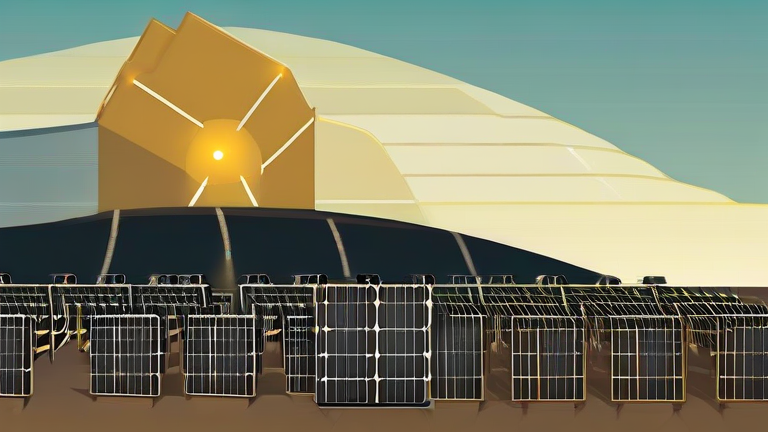
TL;DR: Decentralized energy grids enhance power supply stability by distributing generation across local nodes, thereby reducing reliance on single points of failure. To implement this, communities and businesses should install distributed energy resources like solar panels and battery storage systems integrated with smart grid management software.
Understanding the Architecture
Before diving into implementation, it is crucial to understand that a decentralized grid shifts the power flow from a single, centralized source to a multi-directional network. This architecture allows consumers to become prosumers, generating their own electricity and sharing excess with the grid. The key to stability here is redundancy. If one node fails, others can compensate, preventing widespread blackouts. This approach is particularly vital in areas prone to extreme weather events or infrastructure aging. By localizing energy production, you reduce transmission losses and improve overall system efficiency. The foundational step is assessing your specific energy needs and local resource availability. This assessment determines which technologies will be most effective for your setup.
If you want to dig deeper, check out our guide on Shopify Store Setup: 12 Steps to Launch Your First E-Commerc.
Step-by-Step Implementation
First, conduct a comprehensive energy audit of your facility or community. This involves analyzing peak usage times, current consumption patterns, and existing infrastructure limitations. Once you have this data, select the appropriate distributed energy resources (DERs). Solar photovoltaic panels are often the most accessible starting point, but wind turbines or micro-hydro systems may be suitable depending on your geography. Next, integrate energy storage solutions. Lithium-ion batteries are currently the standard due to their high energy density and decreasing costs. These batteries store excess energy generated during peak production times for use during low production periods. This buffering capability is essential for maintaining a stable power supply. After hardware installation, deploy smart grid management software. This software acts as the brain of the decentralized grid, monitoring real-time data from all nodes. It balances supply and demand automatically, optimizing energy flow to prevent overloads. Finally, establish communication protocols between nodes. This ensures that all devices can talk to each other, allowing for rapid response to any anomalies or failures in the system.
Essential Tips for Success
When building a decentralized grid, prioritize cybersecurity. Since these systems rely on digital communication, they are vulnerable to cyberattacks. Use encrypted data transmission and regular security audits to protect the integrity of your grid. Additionally, engage with local regulatory bodies early in the process. Understanding net-metering policies and interconnection rules is critical to avoid legal hurdles. Do not neglect maintenance planning. While decentralized systems are robust, they still require regular upkeep. Schedule periodic inspections for solar panels, battery health checks, and software updates. Community engagement is also vital if you are implementing this at a neighborhood level. Educate residents on the benefits and operational aspects of the grid to foster trust and cooperation. Finally, consider scalability from day one. Design your system with future expansion in mind, allowing for the easy addition of new nodes or technologies as they become available and affordable.
FAQ
Q: How much does a small-scale decentralized grid cost?
A: Costs vary widely, but a typical residential solar and battery setup ranges from $15,000 to $30,000, while community-scale projects can cost millions depending on size and complexity.
Q: Can decentralized grids operate during a total blackout?
A: Yes, if configured with islanding capabilities, local nodes can disconnect from the main grid and continue supplying power to connected loads using stored energy.
Q: What is the lifespan of the battery storage systems?
A: Modern lithium-ion batteries typically last between ten and fifteen years, depending on usage patterns, depth of discharge, and environmental conditions.
Leave a Reply