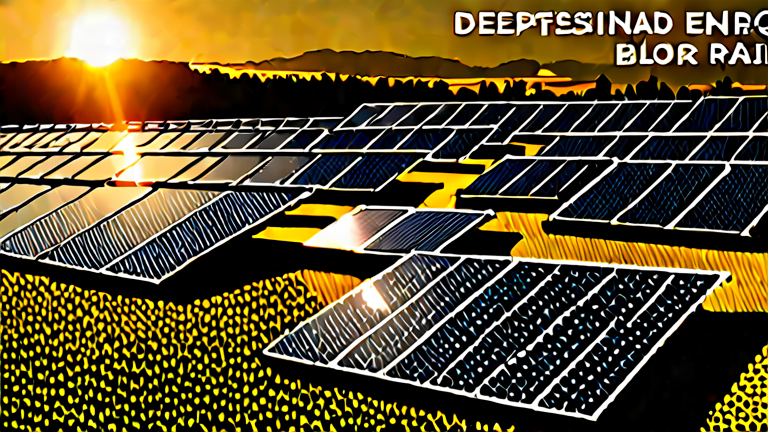
TL;DR: Decentralized energy systems combine rooftop solar, community-scale generation, and battery storage to shift power production closer to the point of consumption, reducing transmission losses and grid strain. Falling costs and supportive policies have made these systems commercially viable, with the global distributed energy storage market projected to exceed $100 billion by 2030.
Market Analysis: Growth Driven by Economics, Not Just Ideology
Decentralized energy has moved from niche to mainstream. According to BloombergNEF, global battery storage installations are expected to grow sixfold by 2030, with a significant share sited behind the meter. The economics are compelling: lithium-ion battery pack prices have fallen roughly 90% since 2010, while rooftop solar costs have dropped by more than 80%. In markets like California, Germany, and Australia, the levelized cost of solar-plus-storage now undercuts retail grid power during peak hours.
If you want to dig deeper, check out our guide on 2 German Airport Workers Die of Malaria from Plane Mosquito.
Three forces are accelerating adoption. First, grid reliability concerns—wildfires, storms, and aging infrastructure—are pushing commercial customers toward resilience. Second, virtual power plant (VPP) programs allow aggregated home batteries to bid into wholesale markets, creating new revenue streams. Third, corporate decarbonization targets are driving Fortune 500 companies to install on-site generation. The result: decentralized energy is no longer a backup strategy but a primary procurement channel.
Strategy Insights: Where Value Accrues
Winning in this space requires more than selling panels and batteries. Successful players focus on three strategic levers. Software orchestration is the differentiator—optimizing when to store, discharge, or sell energy can increase asset returns by 20–30%. Financing innovation, such as zero-down leases and energy-as-a-service models, removes upfront cost barriers. Partnership ecosystems—utilities, installers, and financiers—determine scale. Companies that treat storage as a standalone product often fail; those that bundle generation, storage, and management into a single offering capture more value.
Case Studies: Lessons from the Field
Tesla’s Virtual Power Plant in Australia: By aggregating 50,000 home Powerwalls, Tesla created a 250 MW virtual plant that stabilizes the South Australian grid. Participants earn credits, while the grid avoids costly peaker plant construction. The lesson: aggregation turns distributed assets into grid-scale resources.
Sonnen’s Community Battery in Germany: Sonnen built a networked battery system that allows neighbors to share stored solar power. The project reduced reliance on grid imports by 60% during peak periods. The lesson: community models build trust and accelerate adoption in dense markets.
Google’s Campus Microgrid: Google paired 1.6 MW of solar with battery storage at its Mountain View headquarters, cutting peak demand charges and providing backup power. The lesson: corporate campuses are ideal testbeds for decentralized architecture.
FAQ
Q: Is decentralized energy only viable in sunny regions?
A: No. Storage and smart management make it viable anywhere with moderate solar exposure. Germany, with less sun than California, leads in per-capita adoption due to policy and grid pricing.
Q: What is the biggest barrier to adoption?
A: Upfront capital and regulatory fragmentation. However, leasing models and VPP programs are rapidly lowering both barriers.
Q: How do utilities benefit from decentralization?
A: Utilities avoid expensive transmission upgrades and peak generation costs. Many now run VPP programs that use customer batteries to balance the grid.
Leave a Reply