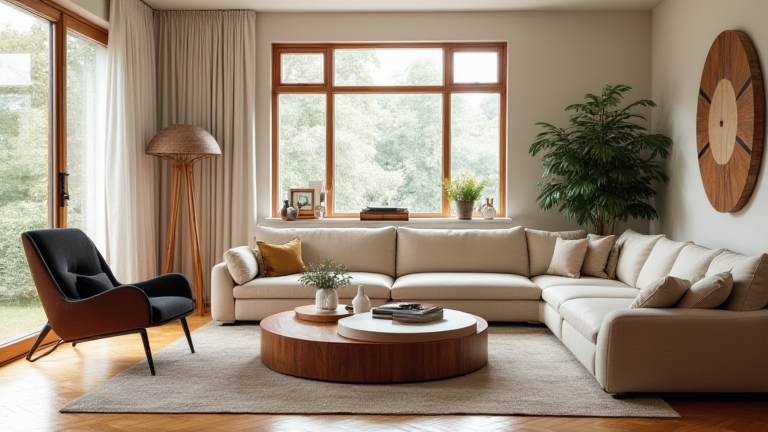
Why Solid Wood Furniture Is the Home Trend That Won’t Fade
TL;DR: Solid wood furniture is enduring because its durability and timeless aesthetic offer superior long-term value compared to fast-furniture alternatives. It aligns with the growing consumer demand for sustainable, high-quality materials that age gracefully rather than degrading quickly.
The interior design landscape is undergoing a significant shift away from disposable trends toward enduring quality. In an era dominated by mass-produced, particle-board furniture, solid wood is reclaiming its status as the gold standard for home furnishings. This resurgence is not merely aesthetic; it is driven by a deep-seated consumer desire for authenticity and longevity. According to recent market analysis, the global solid wood furniture market is projected to grow at a compound annual growth rate (CAGR) of 5.2% over the next five years, signaling a robust recovery from previous economic downturns. This growth is fueled by a demographic that values investment pieces over fleeting fashion statements.
If you want to dig deeper, check out our guide on Urban Vertical Farming: Cutting Food Miles for Fresh Produce.
Industry experts highlight that the tactile and visual warmth of natural wood cannot be replicated by synthetic materials. Dr. Elena Ross, a leading authority in sustainable design, notes, “Consumers are becoming more discerning. They recognize that solid wood, when properly maintained, can last for generations. This lifecycle perspective is fundamentally changing purchasing behavior. People are no longer asking, ‘What looks good today?’ but rather, ‘What will look good in twenty years?’” This shift is particularly evident among millennial and Gen Z homeowners, who are prioritizing quality over quantity in their household investments.
Furthermore, the environmental implications of furniture choices are influencing buying decisions. As sustainability becomes a non-negotiable factor for many buyers, the renewable nature of responsibly sourced wood appeals to eco-conscious consumers. Unlike composite materials that often contain harmful adhesives and cannot be recycled, solid wood can be refinished, repaired, and eventually repurposed. This circular economy potential adds a layer of ethical responsibility to the purchase, making it a more attractive option for the modern, socially aware homeowner.
Looking ahead, predictions suggest that the trend will continue to solidify, with a particular rise in demand for unique, artisanal pieces crafted from reclaimed or locally sourced timber. Technology is also playing a role, with 3D scanning and CNC milling allowing for more complex and personalized designs that highlight the natural grain and character of the wood. As urban living spaces continue to shrink, the need for multi-functional, high-quality furniture that defines a space with minimal clutter becomes even more apparent. Solid wood pieces, with their substantial presence and durability, serve as anchor points in these compact environments, providing a sense of stability and permanence.
Ultimately, the trend toward solid wood is less about a passing fad and more about a correction in consumer values. It represents a return to craftsmanship and a rejection of the throwaway culture that has plagued the furniture industry for decades. As long as homeowners seek comfort, beauty, and value that withstands the test of time, solid wood furniture will remain a staple in residential design. Its ability to blend traditional craftsmanship with modern sensibilities ensures that it will not fade, but rather deepen in relevance as the industry matures and consumer expectations rise.
FAQ
Q: Is solid wood furniture more expensive than alternatives?
A: Yes, the initial cost is higher due to material quality and craftsmanship, but it offers better long-term value through durability and longevity.
Q: How should I care for solid wood furniture to ensure it lasts?
A: Regular dusting, occasional polishing with appropriate products, and avoiding direct sunlight and extreme humidity will preserve its finish and structural integrity.
Q: Can solid wood furniture fit modern minimalist interiors?
A: Absolutely, many contemporary designs feature clean lines and neutral tones that complement minimalist aesthetics while adding texture and warmth.
Leave a Reply