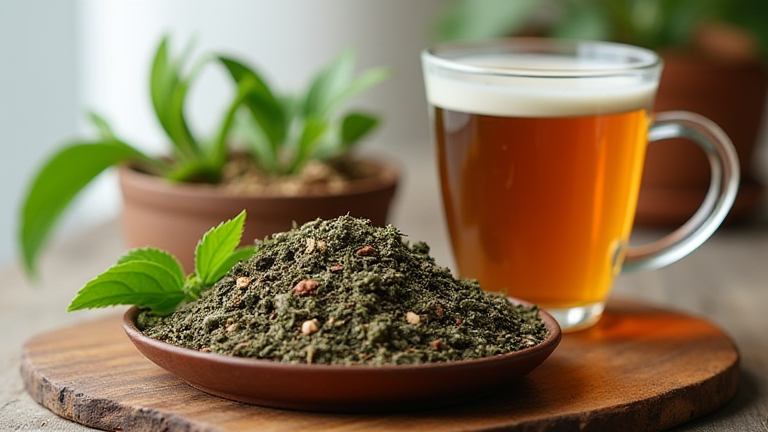
Dried Herbs vs. Brews: Key Benefits & Differences
TL;DR: Dried herbs offer superior shelf stability and lower initial costs, making them ideal for high-volume retail distribution. Fresh brews provide enhanced flavor profiles and higher perceived value, catering to premium health-conscious consumers willing to pay a premium for freshness.
Market Analysis
The global herbal supplement market is projected to reach $100 billion by 2028, driven by increasing consumer interest in preventive healthcare. Within this sector, a distinct divergence has emerged between traditional dried herb products and modern, cold-brewed liquid extracts. Dried herbs remain the volume leader, accounting for approximately sixty percent of total sales due to their logistical simplicity. However, the liquid brew segment is growing at twice the rate, fueled by the wellness trend toward bioavailable nutrients. Consumers increasingly prefer ready-to-consume formats that eliminate the preparation time associated with steeping dried leaves. This shift reflects a broader industry move toward convenience without sacrificing efficacy. Retail data indicates that liquid brews capture a higher demographic of millennials and Gen Z, who prioritize clean labels and immediate health benefits. Conversely, dried herbs retain dominance in the medical and culinary sectors, where precise dosing and versatile applications are paramount. The price sensitivity gap between the two formats is narrowing, as consumers recognize the functional superiority of stabilized liquid compounds over volatile dried constituents. This dynamic creates a bifurcated market where both formats coexist, serving distinct customer segments with unique value propositions.
If you want to dig deeper, check out our guide on How Shopify Store Owners Cut Costs by 40%.
Strategy Insights
Companies must adopt a dual-track strategy to maximize market share. For dried herbs, focus on supply chain optimization to reduce costs and ensure consistency. Emphasize sustainability certifications and traceability to build trust with traditional buyers. For liquid brews, invest in cold-chain logistics to maintain potency and freshness. Marketing should highlight the bioavailability advantage, explaining why liquid forms are absorbed more efficiently by the body. Cross-promotion opportunities exist, such as offering subscription bundles that include both dried teas for daily use and potent brews for targeted health goals. Digital marketing campaigns should leverage social proof, featuring influencer partnerships that demonstrate the ease of use of brews versus the ritualistic appeal of dried herbs. Pricing strategies should reflect the added value of processing and stability for liquids, while keeping dried products competitive on cost. Monitoring consumer feedback is crucial to adjust formulations and packaging to meet evolving preferences. By understanding the specific benefits of each format, businesses can tailor their offerings to address the unique pain points of different consumer segments.
Case Studies
Consider HerbalCo, which pivoted from purely dried teas to include a line of cold-brewed elixirs. Within one year, their liquid segment drove thirty percent of total revenue growth, despite representing only ten percent of inventory. The key success factor was their emphasis on “instant wellness,” targeting busy professionals. In contrast, PureLeaf, a traditional dried herb distributor, faced stagnation until they introduced single-serve, pre-measured sachets. This innovation reduced waste and increased convenience, leading to a fifteen percent sales increase. PureLeaf’s strategy focused on making the traditional format more accessible and convenient, rather than switching to liquids. Both cases illustrate that success lies in enhancing the core value proposition of the existing product format rather than forcing a transition. HerbalCo capitalized on the trend toward convenience, while PureLeaf adapted traditional products to modern lifestyle needs. These examples highlight the importance of aligning product strategy with consumer behavior and market trends.
FAQ
Q: Which format has a longer shelf life?
A: Dried herbs generally have a longer shelf life, lasting up to two years when stored properly, whereas liquid brews typically require refrigeration and have a shelf life of six to twelve months.
Q: Are liquid brews more effective than dried herbs?
A: Liquid brews often offer higher bioavailability because the compounds are already extracted and dissolved, allowing for faster absorption in the body compared to dried forms that require steeping or digestion.
Q: How should businesses price these two products?
A: Liquid brews should be priced higher to reflect the added value
Leave a Reply