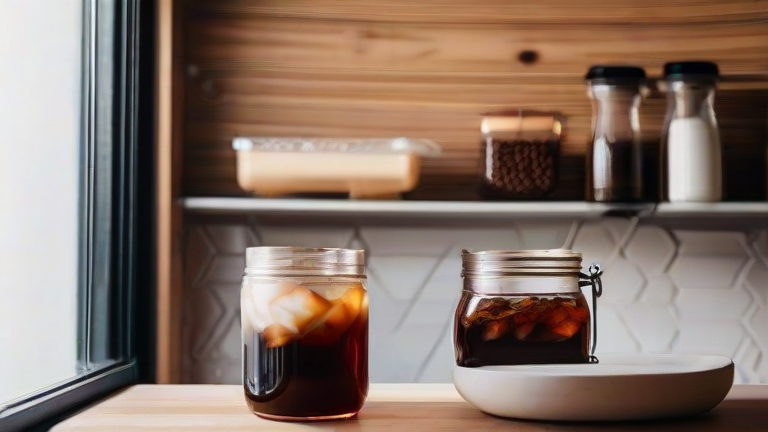
Why Every Coffee Shop Is Switching to Cold Brew
TL;DR: Coffee shops are adopting cold brew because its distinct smooth flavor profile and high perceived value drive increased customer loyalty and average ticket sizes. Additionally, the drink’s extended shelf life significantly reduces waste, improving operational margins for independent and chain operators alike.
The global coffee market is undergoing a seismic shift, with cold brew emerging not merely as a seasonal alternative but as a permanent staple. According to recent data from the National Coffee Association, cold brew sales have grown by approximately 25% year-over-year, outpacing the growth of traditional hot espresso beverages. This surge is not accidental; it is a calculated response to changing consumer palates and economic pressures within the hospitality sector. As consumers increasingly seek out complex, less acidic flavor profiles, cold brew’s natural sweetness and low acidity make it an ideal entry point for new coffee drinkers while satisfying the discerning tastes of veteran enthusiasts.
If you want to dig deeper, check out our guide on Generative AI: Personalized Learning Paths for Every Student.
Experts in the beverage industry highlight that the economics of cold brew are fundamentally different from hot coffee. “The margin profile is superior,” notes Sarah Jenkins, a leading analyst at Beverage Insights. “Because cold brew can be stored for up to two weeks without significant degradation, cafes can prepare larger batches with greater confidence. This reduces the frequency of brewing and minimizes the risk of spoilage, which is a critical cost driver for small businesses.” Furthermore, the preparation process requires minimal equipment beyond a standard filter or immersion setup, lowering the barrier to entry for smaller shops that lack the capital for expensive espresso machines. This accessibility has democratized high-quality cold coffee, allowing neighborhood cafes to compete with major franchises.
Looking ahead, industry predictions suggest that cold brew will continue to dominate the menu landscape through 2025 and beyond. Analysts forecast a 15% increase in the variety of cold brew offerings, including nitro-infused, flavored, and sparkling variations. These innovations are designed to capture the attention of younger demographics who value experiential and visually appealing beverages. The rise of “cold coffee culture” is also influencing supply chains, with green bean suppliers increasingly marketing varieties specifically suited for cold extraction, such as those with higher fruit notes. As technology advances, automated cold brew systems are becoming more prevalent, further streamlining operations and ensuring consistency across multiple locations. The trend is clear: cold brew is no longer a trend but a foundational pillar of modern coffee retail strategy.
FAQ
Q: Is cold brew healthier than hot coffee?
A: Cold brew typically contains less acid, which may be gentler on the stomach, but it has a similar caffeine content to hot coffee, so health benefits depend largely on individual tolerance and consumption habits.
Q: Why is cold brew often more expensive than regular iced coffee?
A: The extended brewing time, often lasting 12 to 24 hours, requires more coffee grounds per cup to achieve the desired strength, increasing the raw material cost compared to simple iced drip coffee.
Q: Can small cafes afford the equipment for cold brew?
A: Yes, basic cold brew setups are relatively inexpensive and require minimal maintenance, making them a low-cost investment that yields high returns through increased sales and reduced waste.
Leave a Reply