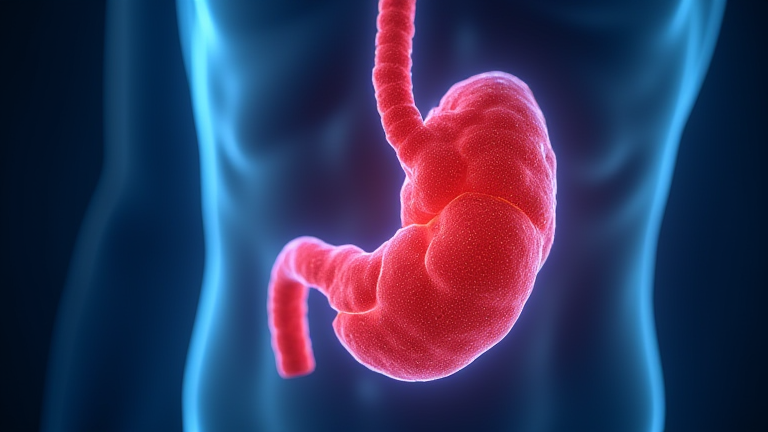
TL;DR: Advanced AI models can now detect pancreatic cancer in its earliest stages by analyzing blood biomarkers, potentially years before traditional symptoms appear. This early detection significantly improves survival rates by allowing for timely and effective treatment.
The Silent Killer Meets Smart Technology
Pancreatic cancer is often referred to as the “silent killer” because it rarely presents noticeable symptoms until it has reached an advanced, inoperable stage. The five-year survival rate for localized pancreatic cancer is relatively high, but it drops drastically once the disease spreads. This grim reality has driven researchers to seek earlier diagnostic methods. Enter artificial intelligence. Recent breakthroughs in machine learning have demonstrated that AI algorithms can identify subtle patterns in blood tests that precede clinical symptoms by several years. This technological leap offers a glimmer of hope for early intervention and improved patient outcomes.
If you want to dig deeper, check out our guide on Why You Must Travel Young: The Benefits of Traveling Now.
How AI Detects What Humans Miss
Traditional diagnostics rely on imaging and tissue biopsies, which are often too late for the best treatment options. In contrast, AI-driven liquid biopsies analyze complex data sets from standard blood tests. These algorithms look for minute fluctuations in proteins, metabolites, and other biomarkers that indicate cellular stress or early tumor development. A study published in Cancer Discovery highlighted that AI models could identify pancreatic cancer with high accuracy even when the disease was still at a pre-symptomatic stage. By processing vast amounts of data from thousands of patients, the AI learns to distinguish between normal biological noise and the specific signatures of early-stage malignancy. This capability transforms a routine blood draw into a powerful screening tool.
Science-Backed Lifestyle Tips for Prevention
While AI detection is a game-changer, prevention remains the cornerstone of health. Research consistently links certain lifestyle factors to an increased risk of pancreatic cancer. First, prioritize a diet rich in fruits, vegetables, and whole grains. Diets high in processed meats and refined sugars have been associated with higher risks. Second, maintain a healthy weight. Obesity is a known risk factor, as excess body fat can cause chronic inflammation, which may contribute to cancer development. Third, quit smoking. Smoking is one of the most significant modifiable risk factors for pancreatic cancer, increasing the risk by fifty to eighty percent. Finally, manage diabetes carefully. Long-standing diabetes, particularly Type 2, can be both a risk factor and an early symptom of pancreatic cancer. Regular monitoring and blood sugar management are crucial for those at risk.
The Future of Early Diagnosis
As these AI tools become more integrated into healthcare systems, they promise to democratize early detection. However, it is important to note that these technologies are currently being refined and validated through large-scale clinical trials. Patients should not rely solely on AI predictions but should continue to follow their doctors’ advice regarding routine health check-ups. The combination of cutting-edge technology and proactive lifestyle choices offers the best path toward a healthier, longer life. By staying informed and making healthy choices, individuals can take control of their health while benefiting from the advancements in medical technology.
FAQ
Q: Is AI-based pancreatic cancer screening available to the public yet?
A: Most AI diagnostic tools are currently in clinical trials or restricted to research settings, though some clinics are beginning to integrate them into specialized screening programs for high-risk individuals.
Q: Can AI detect cancer if I have no symptoms?
A: Yes, that is the primary advantage of this technology; it is designed to identify biomarker changes in the blood that occur years before physical symptoms manifest.
Q: Does a healthy lifestyle eliminate the need for screening?
A: No, while a healthy lifestyle significantly reduces risk, it does not eliminate it entirely, so regular screenings are still recommended, especially for those with a family history of cancer.
Leave a Reply