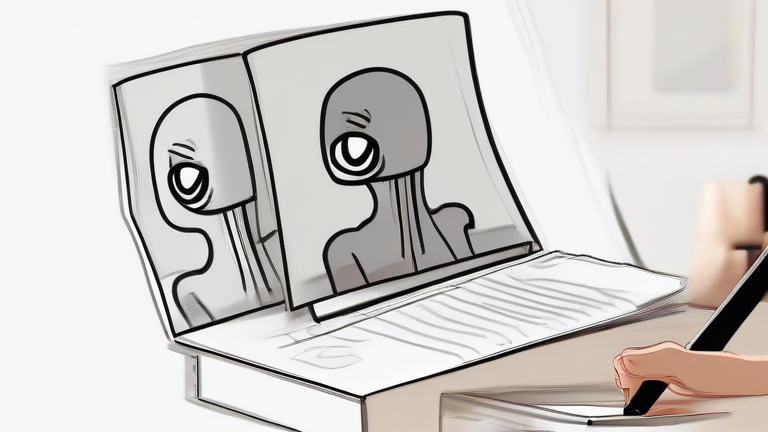
TL;DR: Fake sketches on Discord are identified by inconsistent line weights, unnatural lighting, and lack of layered files. Users should verify artists’ portfolios and request process videos to avoid purchasing stolen or AI-generated work.
The Rising Tide of Digital Deception
The digital art community on Discord has become a hotspot for sophisticated fraud. Recently, I encountered a scam artist posing as a commissioned illustrator. Their portfolio looked impressive, but closer inspection revealed glaring inconsistencies. This incident highlights a growing trend where bad actors use stolen assets and AI tools to mimic human creativity. Understanding how to spot these fakes is now essential for any buyer in the digital art space.
Technical Indicators of Fraud
Modern scams often exploit the limitations of compression and viewing conditions. One primary indicator is inconsistent line weight. Genuine artists typically maintain a consistent style, whether thick or thin. Scammers often mix styles from different sources, resulting in lines that shift abruptly without logical reason. Another key metric is lighting coherence. In legitimate sketches, light sources are consistent. Fake sketches often show objects lit from multiple directions, a telltale sign of composited images.
Furthermore, check for pixel artifacts. When zooming in on high-resolution exports, fake sketches often show blurred edges or repeated patterns, indicative of upscaling algorithms. Real brush strokes have organic variation, whereas AI or stolen art may appear too uniform or noisy.
Specs and Verification Tools
Industry experts now recommend using specific software tools to verify authenticity. Programs like GIMP or Photoshop allow users to examine layer structures. Legitimate commission artists usually provide layered files or time-lapse process videos. If an artist refuses to share process footage, it is a major red flag. Additionally, checking the metadata of image files can reveal software traces. Files edited in AI generators often leave distinct metadata fingerprints that differ from traditional drawing software.
Industry Impact and Future Outlook
This wave of deception impacts trust across the digital art economy. Platforms like Discord are implementing stricter verification protocols for paid services. Artists are responding by watermarking their work more aggressively and using blockchain certificates of authenticity. The industry is shifting towards transparent workflows, where buyers can observe the creation process in real-time. This transparency is becoming a standard expectation rather than an exception.
For collectors and commissioners, the onus is shifting towards due diligence. Education is crucial. Communities are sharing guides on how to analyze brush strokes and color palettes for consistency. As technology advances, so do the methods of deception, but human intuition combined with technical verification remains the best defense.
FAQ
Q: How can I verify if a Discord artist is real?
A: Request a live drawing session or a detailed process video to confirm they create the art themselves.
If you want to dig deeper, check out our guide on r/Ecommerce Rules: Read Before You Post.
Q: What are common signs of AI-generated sketches?
A: Look for unnatural hand structures, inconsistent textures, and metadata indicating AI software usage.
Q: Should I buy art without process footage?
A: It is risky; reputable artists usually provide process evidence to prove originality and avoid scams.
Leave a Reply