TL;DR: UK publishers are demanding that Google exclude ChatGPT-generated content from search results because it dilutes organic traffic and undermines the economic viability of high-quality journalism. They argue that AI summaries bypass their sites entirely, creating a zero-sum game where readers consume information without supporting the creators who produced it.
The Erosion of the Digital News Ecosystem
In the bustling coffee shops of London and the quiet libraries of Edinburgh, the way we consume information is shifting rapidly. For decades, the internet has served as a vast marketplace where publishers, whether small indie zines or major broadsheets, traded unique insights for advertising revenue. This symbiotic relationship is now under siege. The recent push by UK publishing giants to ban ChatGPT from indexing search results is not merely a technical dispute; it is a cultural reckoning with how we value knowledge and creativity in the digital age.
If you want to dig deeper, check out our guide on Neural Interface Gets FDA Approval for Severe Depression.
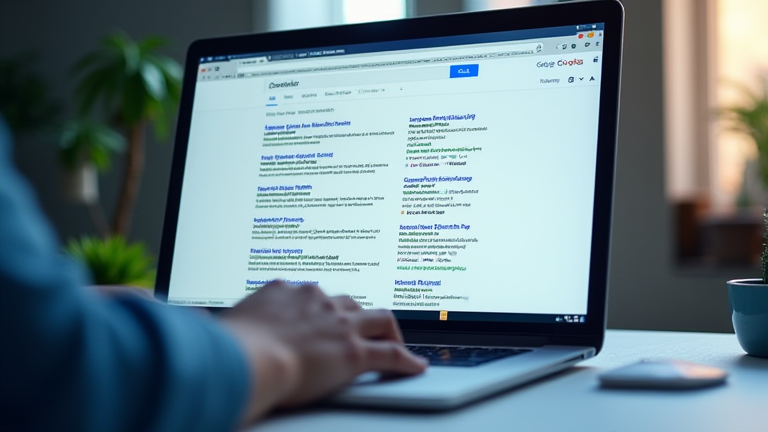
The core of the controversy lies in the mechanism of “AI Overviews” and similar features within Google. When a user searches for a specific topic, such as the history of the British Empire or a recipe for traditional Yorkshire pudding, the search engine often presents an AI-generated summary directly in the results page. This summary, powered by large language models like ChatGPT, synthesizes information from various sources. The problem, as publishers argue, is that users no longer need to click through to the original article. The information is consumed, but the click is lost. For a newspaper relying on subscription models and ad impressions, this is a fatal blow.
A Culture of Clickbait vs. Deep Dive
From a personal growth and cultural perspective, this shift threatens the depth of our collective understanding. High-quality journalism and long-form content require significant time, resources, and expertise. When algorithms prioritize speed and synthesis over originality, we risk creating a shallow information diet. We are moving from an era of exploration, where readers click through multiple sources to verify and deepen their understanding, to an era of instant, albeit potentially inaccurate, answers. This mirrors a broader societal trend toward convenience over nuance, where the journey of discovery is replaced by the destination of immediate gratification.
Food and travel journalism are particularly vulnerable. Imagine searching for the best street food in Bangkok. Instead of reading a detailed account from a traveler who spent weeks exploring the streets, you receive a generic, AI-curated list that lacks personal voice and cultural context. The soul of the story is stripped away, leaving only the data points. Publishers argue that this devalues the craft of storytelling, reducing rich cultural narratives to mere data sets that can be aggregated and regurgitated by machines.
The Road Ahead for Creators
As the debate intensifies, UK publishers are urging regulatory bodies to enforce stricter guidelines on how AI interacts with search indexes. They propose that if AI companies want to use published content to train their models, they must compensate the rights holders or, alternatively, be blocked from indexing entirely. This is a fight for the survival of independent media. It challenges us to reconsider what we value in our information consumption. Do we want convenient, synthesized answers, or do we want the rich, detailed, and human-centric content that fosters critical thinking and cultural empathy? The outcome of this legal and technological battle will shape the future of media for generations to come, determining whether we live in a world where original voices are celebrated or silenced by the noise of automation.
FAQ
Q: Why do UK publishers specifically target ChatGPT in Google Search?
A: They target it because it generates summaries that satisfy user queries without driving traffic to the original source, thereby reducing ad revenue and subscription sign-ups for publishers.
Q: Does banning AI from search results improve content quality?
A: It aims to preserve the economic incentive for high-quality, original content, ensuring that writers and journalists are compensated for their work rather than having their material aggregated for free by AI tools.
Q: How does this affect the average reader’s experience?
A: Readers may find fewer instant AI summaries in search results, potentially requiring them to click through to full articles
Leave a Reply