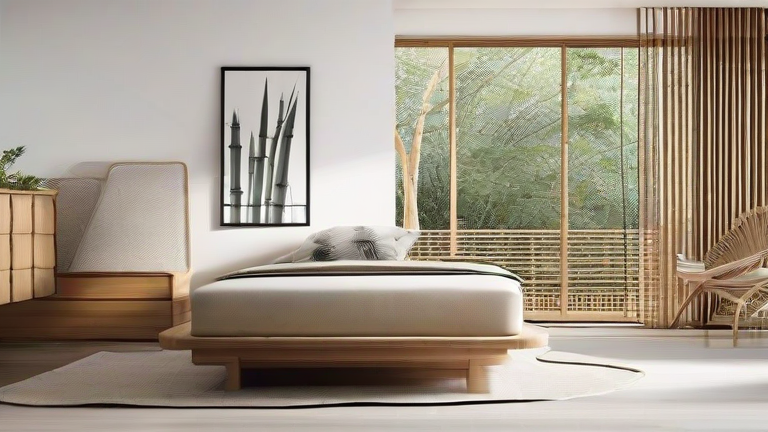
Why the Rise of Sustainable Bamboo Furniture Is Reshaping Home Decor
TL;DR: Sustainable bamboo furniture is transforming home decor by offering a rapid renewable alternative to traditional hardwoods, driven by consumer demand for eco-conscious living. This shift is reshaping the industry through lower carbon footprints, unique aesthetic versatility, and significant cost efficiencies in supply chains.
The global furniture market is undergoing a profound transformation, moving away from slow-growing tropical hardwoods toward faster, more sustainable materials. At the forefront of this revolution is bamboo, a grass that reaches maturity in just three to five years, compared to the decades required for oak or teak. This rapid regeneration cycle makes bamboo an exceptionally viable resource for manufacturers seeking to reduce their environmental impact without sacrificing durability or aesthetic appeal.
If you want to dig deeper, check out our guide on Suno AI Music Copyright: Who Owns the Rights.
Market Dynamics and Consumer Shifts
Recent market data highlights the accelerating demand for green home goods. According to a 2023 report by Grand View Research, the global sustainable furniture market is projected to grow at a compound annual growth rate (CAGR) of 6.8% from 2023 to 2030. Within this sector, bamboo products have seen a particularly sharp increase in adoption, particularly in North America and Europe. Consumers are no longer viewing sustainability as a niche preference but as a baseline expectation. This shift is driven by younger demographics, specifically Millennials and Gen Z, who prioritize ethical sourcing and environmental stewardship in their purchasing decisions.
Industry experts emphasize that bamboo’s strength-to-weight ratio is a major factor in its rise. Dr. Elena Rossi, a materials scientist at the Institute for Sustainable Design, notes, “Bamboo’s tensile strength exceeds that of many traditional hardwoods, making it ideal for structural furniture pieces. When combined with modern lamination techniques, it offers a material that is both robust and lightweight, facilitating easier logistics and lower shipping emissions.” This technical advantage allows manufacturers to create sleek, modern designs that appeal to contemporary tastes while maintaining structural integrity.
Future Predictions and Industry Impact
Looking ahead, the integration of technology with bamboo production is expected to further solidify its market position. Innovations in nanotechnology are allowing for the creation of bamboo composites that are resistant to water and pests, expanding its usability to outdoor furniture and high-humidity environments. Furthermore, circular economy models are gaining traction, with companies beginning to offer take-back programs for old bamboo furniture, ensuring the material remains in use for longer periods.
Analysts predict that by 2030, bamboo will account for over 15% of the global furniture market, significantly up from its current share. This growth will likely pressure other timber industries to adopt stricter sustainability standards. The rise of bamboo is not just a trend but a structural change in how the furniture industry operates, prioritizing speed, sustainability, and innovation over traditional resource extraction methods. As supply chains become more transparent, consumers will have greater confidence in the provenance of their furniture, driving further adoption of this versatile material.
FAQ
Q: Is bamboo furniture more expensive than traditional wood?
A: Not necessarily; while high-end engineered bamboo can be costly, raw bamboo is often cheaper than rare hardwoods, and its rapid growth reduces supply chain costs, making it competitively priced for many consumers.
Q: How durable is bamboo compared to hardwood?
A: Bamboo is highly durable, often exceeding the hardness and tensile strength of oak and maple, especially when processed into laminated panels that resist warping and cracking over time.
Q: Can bamboo be used for all types of furniture?
A: Yes, bamboo is versatile and can be used for dining tables, chairs, shelving, and even outdoor patio furniture, thanks to advancements in treatment processes that enhance its resistance to moisture and insects.
Leave a Reply