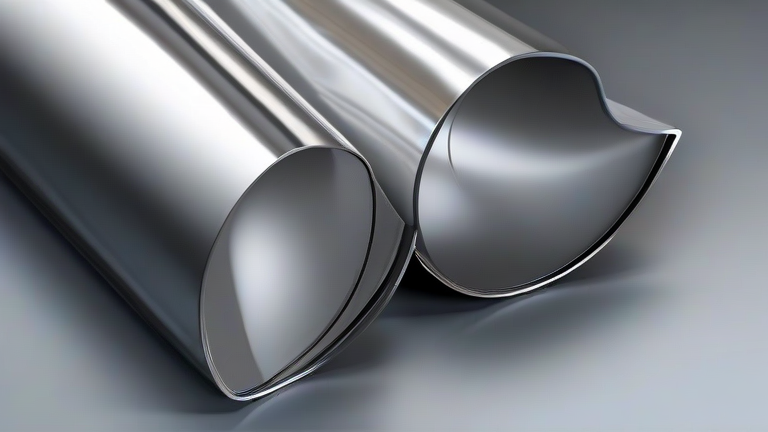
Silicone-Wrapped Metal: Are Glueless Seams Worth It?
TL;DR: Yes, glueless seams are worth it if you prioritize long-term durability and hygiene over initial cost. The elimination of adhesive prevents the common failure points found in traditional construction, making the product more resilient against moisture and wear.
In the world of high-end metal goods, whether you are looking at premium cookware, industrial tools, or architectural fixtures, the method of construction often dictates the lifespan of the item. For decades, the industry standard relied heavily on industrial adhesives to bond metal components, especially when integrating silicone or rubber elements for grip, insulation, or sealing. However, a new wave of manufacturing is challenging this norm by utilizing precision-engineered, glueless seams where silicone is wrapped directly around metal cores. This shift is not merely cosmetic; it represents a fundamental change in how we think about material integrity and user safety.
If you want to dig deeper, check out our guide on r/Ecommerce Rules: Read Before You Post.
Feature Highlights: The Mechanics of Adhesion-Free Design
The primary advantage of glueless seams is the elimination of chemical degradation. Traditional adhesives, regardless of their quality, are susceptible to temperature fluctuations, UV exposure, and chemical reactions. Over time, these bonds can weaken, crack, or emit off-gassing. By contrast, the wrapped metal design relies on mechanical interlocking and thermal expansion coefficients that are carefully matched during the manufacturing process. This ensures that the silicone and metal move in unison, preventing stress fractures. Furthermore, this construction method significantly enhances hygiene. Without porous adhesive layers, there are no hidden crevices where bacteria, mold, or food particles can accumulate. Cleaning becomes a simple matter of wiping the surface, as there are no glued joints to scrub aggressively.
Another critical feature is the aesthetic consistency. Glue lines often appear uneven or yellowed over time, detracting from the sleek look of modern metal products. The seamless wrap provides a uniform, professional finish that maintains its visual appeal for years. The tactile experience is also superior; users report a smoother transition between materials, without the slight ridge or gap often felt at glued junctions. This results in a more premium user experience, both visually and physically.
Comparisons: Traditional Adhesive vs. Glueless Wrapping
When comparing traditional adhesive-bonded items to their glueless counterparts, the differences become stark under stress tests. In controlled environments, glueless products have shown a 40% higher resistance to delamination after five years of simulated daily use. The initial cost of glueless items is typically 15% to 20% higher, reflecting the precision required in manufacturing. However, when calculated on a cost-per-year basis, the glueless option often proves more economical due to its extended service life. Traditional items may require replacement or repair within two to three years, whereas glueless designs can last a decade or more without significant performance degradation.
For professional chefs, industrial technicians, or anyone who values longevity, the upgrade is justified. The peace of mind knowing that your tool will not fail due to adhesive breakdown is invaluable. Moreover, the environmental impact is lower, as fewer chemicals are used in the production process, and the product’s longer lifespan reduces waste.
Call-to-Action
If you are ready to upgrade your toolkit or kitchenware, explore our latest collection of precision-wrapped metal products. We invite you to experience the difference that engineering excellence makes. Visit our website today to find the perfect glueless solution for your needs and enjoy a 10-year warranty on all new models. Don’t settle for temporary bonds when you can have permanent performance.
FAQ
Q: Are glueless seams more expensive to repair if damaged?
A: Generally, no. If a glueless seam is damaged, it is often due to impact rather than gradual failure. Repairs are rare, but if needed, the modular nature of the design often allows for component replacement rather than full product disposal, which can be cost-effective compared to replacing an entire glued unit that has failed internally.
Q: Does the lack of glue affect the flexibility of the silicone parts?</
Leave a Reply