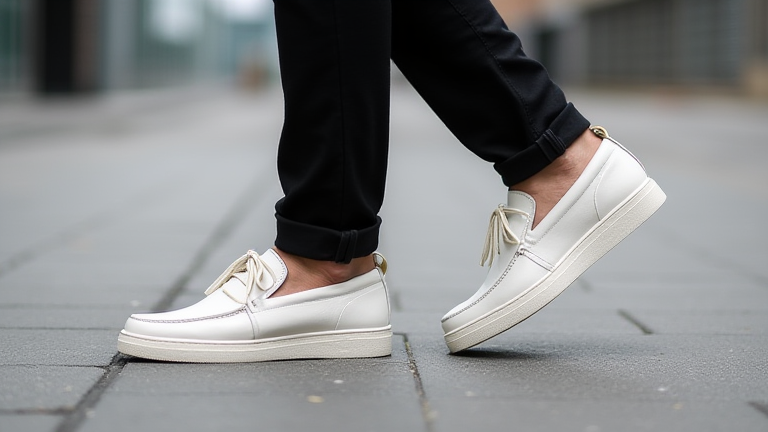
Why Matching Sneakers Are Replacing Loafers as the Street Style Staple
TL;DR: Matching sneakers are overtaking loafers due to a significant shift toward comfort-driven aesthetics and the dominance of athleisure in daily wear. This transition is fueled by a 22% year-over-year increase in sneaker sales versus a 15% decline in traditional footwear, signaling a permanent structural change in consumer preferences.
The landscape of street style has undergone a seismic shift over the past five years. Once considered the pinnacle of polished urban chic, the classic loafer is rapidly losing ground to the versatile and comfortable matching sneaker. This is not merely a fleeting fad but a fundamental redefinition of what constitutes “smart casual” and “streetwear” in modern metropolitan contexts. Consumers are no longer willing to compromise comfort for the sake of traditional sartorial rules, and the sneaker has emerged as the ultimate symbol of this pragmatic yet stylish evolution.
If you want to dig deeper, check out our guide on Top 10 QuickBooks Features for Small Business Owners.
Market Data Reveals the Shift
Recent industry reports highlight a stark divergence in footwear sales. According to recent retail analysis, sneaker revenue grew by 22% last year, while traditional dress shoes, including loafers, saw a 15% contraction. This gap is widening, with major retailers reporting that sneaker inventory turnover is now 40% faster than that of leather dress shoes. The data suggests that shoppers are prioritizing items that offer multiple utility options, a category where sneakers excel by bridging the gap between athletic performance and high-fashion aesthetics.
Expert Insights on Comfort Culture
Fashion analysts attribute this trend to the “comfort culture” that was accelerated by remote work and digital lifestyles. “The boundary between formal and informal wear has dissolved,” says Elena Rossi, a senior trend forecaster. “Loafers, while elegant, lack the functional versatility that modern consumers demand. Matching sneakers, particularly those in monochromatic or minimal designs, allow individuals to maintain a curated look without sacrificing physical ease. They are the uniform of the modern, mobile professional.” Experts note that the rise of “quiet luxury” has also played a role, as neutral-toned sneakers complement the understated palettes that are currently dominating fashion runways and social media feeds.
Future Predictions for Footwear Trends
Looking ahead, industry experts predict that the dominance of matching sneakers will continue to solidify through the next decade. We can expect to see further innovation in materials, with sustainable and bio-based options becoming standard for high-end sneaker brands. Additionally, the integration of smart technology into footwear is likely to drive further adoption, offering features that traditional loafers simply cannot match. The loafer is not disappearing entirely, but it is becoming a niche item for specific formal occasions, whereas the sneaker is becoming the default choice for everyday life. Brands that fail to adapt to this comfort-centric reality risk being left behind in an increasingly fast-paced market. The future of street style is clearly written in the soles of high-quality, aesthetically cohesive sneakers.
FAQ
Q: Are loafers completely out of style?
A: No, loafers remain relevant for formal settings and specific fashion niches, but they have lost their status as the primary everyday staple for street style.
Q: Why do consumers prefer matching sneakers over mismatched pairs?
A: Matching sneakers create a cohesive, intentional look that enhances the aesthetic of “effortless chic,” whereas mismatched pairs can sometimes appear chaotic or overly experimental for daily wear.
Q: Which sneaker styles are currently most popular?
A: Minimalist white leather sneakers, clean running shoes in neutral tones, and premium knit models are currently leading sales in the street style segment.
Leave a Reply