TL;DR: The quiet luxury trend—prioritizing understated, high-quality essentials over flashy logos—is directly fueling a surge in cashmere demand. Consumers are trading multiple fast-fashion items for singular, investment-grade pieces, pushing global cashmere prices and procurement to record highs.
The Shift from Logos to Longevity
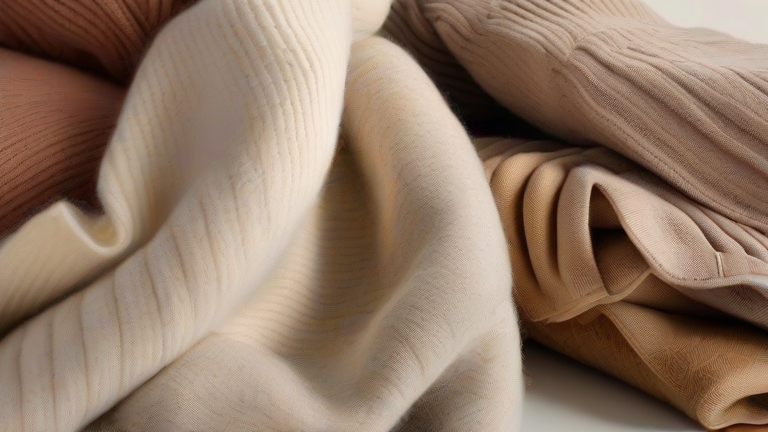
Quiet luxury, or “stealth wealth,” has moved from niche fashion circles to mainstream consumer behavior. Instead of visible branding, status is now communicated through tactile quality, drape, and durability. Cashmere, with its softness, lightweight warmth, and natural breathability, has become the default fabric for this aesthetic. According to the Cashmere & Camel Hair Manufacturers Institute (CCMI), global raw cashmere prices rose by 34% year-over-year in Q1 2025, driven primarily by Western demand for neutral-toned, logo-free knitwear, cardigans, and scarves.
If you want to dig deeper, check out our guide on GLP-1 Users Show Lower TB Risk in Large Multi-Country Study.
Market Data: Supply Tightens, Prices Climb
The production side is struggling to keep pace. Mongolia and China—which account for roughly 90% of global cashmere output—have seen herd sizes constrained by overgrazing regulations and climate volatility. In 2024, the average dehaired cashmere yield per goat fell by 8% due to harsher winters. Meanwhile, luxury houses like Loro Piana, Brunello Cucinelli, and The Row have expanded their cashmere capsule collections, while mid-tier brands (e.g., Uniqlo’s premium line) are upgrading their fiber blends. The result: a 22% increase in global cashmere fiber consumption in 2024, with no corresponding supply growth.
Expert Insights: The “New Luxury” Consumer
Financial analysts at Bain & Company note that quiet luxury is not a passing fad but a structural change in spending priorities. “Post-pandemic, consumers prioritize comfort and permanence,” says retail strategist Elena Marsh. “Cashmere fits perfectly—it’s a sensory investment. Even younger Gen Z shoppers are buying one $300 sweater over five $60 sweaters, citing sustainability and emotional durability.” This is reflected in resale platforms: second-hand cashmere items now retain 60% of their original retail value, up from 40% in 2020.
Future Predictions: From Fiber to Farm-to-Garment
Looking ahead, expect three developments. First, vertical integration will accelerate—brands will acquire Mongolian herding cooperatives to secure supply chains, raising entry barriers. Second, “traceable cashmere” (with QR-coded origins) will become standard, as quiet luxury demands ethical provenance. Third, prices will rise another 15–20% by 2026, making cashmere a true alternative asset. However, a counter-trend looms: recycled cashmere blends will gain traction, but purists argue that only virgin fiber delivers the silent luxury experience. The bottom line: cashmere is no longer a winter fabric—it’s a status currency for those who whisper.
FAQ
Q: Why is quiet luxury specifically boosting cashmere, rather than other natural fibers like merino wool?
A: Cashmere offers a unique combination of extreme softness, lightweight insulation, and a matte, non-shiny finish that aligns perfectly with quiet luxury’s understated aesthetic. Merino is more durable but feels scratchier and has a more “activewear” connotation, while cashmere’s drape and halo effect communicate effortless opulence without logos.
Q: Will the cashmere price surge make quiet luxury unaffordable, thereby killing the trend?
A: No—the trend is self-reinforcing. Higher prices actually increase perceived value among affluent consumers, who view cashmere as an heirloom purchase. For budget-conscious buyers, the rise of certified “grade-A” cashmere blends (with 70% fiber content) offers a lower-cost entry point, preserving the trend’s accessibility without diluting its exclusivity.
Q: Is there a risk that fast-fashion brands will flood the market with cheap “cash
Leave a Reply