Author: factory

  • Urban Vertical Farming: How It Lowers City Food Costs

    TL;DR: Urban vertical farming cuts city food costs by eliminating long-haul shipping and cold-chain spoilage, with produce often harvested and sold within 24 hours. New AI-driven facilities now match field-grown prices on leafy greens while using 95% less water and zero pesticides.

    What’s Changed in 2025

    Vertical farms once struggled with energy costs, but the latest generation uses dynamic LED spectrums and heat-recovery HVAC systems that cut electricity use by up to 40% versus 2020 designs. Companies like Plenty and Bowery now operate 40-foot-tall grow towers with 12 to 16 growing layers per rack, yielding 20 harvests annually for herbs and lettuce — roughly 15 times the output of a same-sized greenhouse. A single 30,000-square-foot facility can produce 2 million pounds of greens per year, enough to supply 60,000 city households.

    If you want to dig deeper, check out our guide on Home Neurofeedback Wearables: A New Sleep-Tech Cure for Inso.

    Specs and Cost Mechanics

    Typical modern modules run 250 to 400 µmol/m²/s of photosynthetically active radiation, with CO₂ enrichment to 1,000 ppm and root-zone sensors sampling every 30 seconds. Because farms sit inside distribution zones — often on rooftops or in vacant warehouses — transport distance drops from 1,500 miles to under 10. That removes roughly 30% of retail cost tied to trucking, refrigeration, and shrink. Spoilage falls from 20% to under 4%, and wholesale prices for kale and basil now undercut imported organic equivalents by 10–15% in New York, Tokyo, and Singapore.

    Industry Impact

    Supermarkets are signing direct supply contracts, bypassing wholesalers. In 2024, vertical-grown leafy greens captured 8% of the U.S. indoor farming market, projected to reach 22% by 2028. The knock-on effect: lower prices for conventional greens as regional competition intensifies.

    FAQ

    Q: Do vertical farms only grow lettuce?
    A: No — strawberries, cherry tomatoes, peppers, and microgreens are now commercially viable, with root crops in pilot testing.

    Q: Are they really cheaper for consumers?
    A: On leafy greens and herbs, yes — typically 10–20% below organic field-grown, though still above conventional industrial produce.

    Q: What’s the biggest remaining cost barrier?
    A: Capital expenditure for lighting and HVAC, plus urban real estate, though energy-efficient LEDs and rooftop leases are shrinking that gap yearly.
    Related Articles

  • Apple M4 MacBook Pro Review: Is the New Chip Worth the Upgrade?

    Apple M4 MacBook Pro Review: Is the New Chip Worth the Upgrade?

    TL;DR: Yes, the M4 chip offers a significant leap in performance efficiency and AI capabilities, making it highly worthwhile for professionals and power users. For casual users, however, the M3 models remain a cost-effective alternative unless you specifically require the enhanced neural engine features.

    The Architectural Leap

    Apple’s transition to the M4 silicon marks a pivotal moment in the company’s trajectory away from Intel and further into its custom silicon era. The M4 is not merely a generational bump from the M3; it represents a substantial refinement in the 3-nanometer process that underpins the chip. This advancement allows for higher transistor density without a proportional increase in power consumption. Consequently, the MacBook Pro equipped with the M4 delivers sustained performance under heavy loads while maintaining near-silent operation. This balance is critical for mobile professionals who rely on their laptops for extended periods without access to power outlets. The thermal management system has also been optimized, allowing the chip to push higher clock speeds for longer durations before throttling. This results in a smoother user experience during demanding tasks such as video editing, 3D rendering, and complex coding environments. The integration of the unified memory architecture continues to improve, offering faster data transfer rates between the CPU and GPU. This reduces latency and enhances overall system responsiveness, making the device feel snappier in everyday use. Furthermore, the new chip features an upgraded Neural Engine, which now supports larger language models locally. This capability is crucial for the growing trend of on-device AI applications, ensuring that sensitive data remains private and that responses are instantaneous without relying on cloud connectivity.

    If you want to dig deeper, check out our guide on Here are 10 SEO-optimized titles (all under 70 characters):
    .

    Specs and Real-World Performance

    The base M4 chip features a 10-core CPU and 10-core GPU, while the M4 Pro and Max variants offer up to 16-core CPUs and 40-core GPUs, respectively. In benchmark tests, the M4 outperforms the M3 by approximately 15% in single-core tasks and 30% in multi-core scenarios. More importantly, the efficiency gains are even more pronounced, with battery life extending by up to two hours in typical usage patterns. Display technology has also received attention, with the new MacBook Pro models featuring higher peak brightness and better color accuracy, catering to creative professionals. The port selection remains robust, including Thunderbolt 5 connectivity, which offers significantly higher bandwidth than its predecessor. This is particularly beneficial for users who connect external GPUs or high-speed storage arrays. The chassis design remains sleek and compact, with no changes to the form factor, ensuring that accessories from previous generations remain compatible. Software optimization plays a huge role here, as Apple’s ecosystem ensures that macOS is tightly integrated with the M4 hardware. This synergy translates into smoother animations, faster app launching, and improved multitasking capabilities. For developers, the new chip supports advanced machine learning frameworks out of the box, reducing setup time and allowing for faster prototyping of AI-driven applications. The industry impact is significant, as competitors must now match this level of efficiency and integrated AI capability to remain competitive in the premium laptop market.

    Industry Impact and Future Outlook

    The introduction of the M4 chip reinforces Apple’s strategy of vertical integration, controlling both the hardware and software to deliver a seamless user experience. This approach challenges traditional PC manufacturers, who often rely on third-party components and face challenges in optimizing their systems for specific workloads. The focus on on-device AI also shifts the industry conversation from raw processing power to intelligent processing, emphasizing the ability to handle complex tasks locally. As AI models continue to grow in size and complexity, the M4’s enhanced Neural Engine positions Apple’s devices as ideal platforms for running these models without compromising privacy or speed. This could lead to a new wave of applications that leverage local AI for personalized user experiences, from advanced photo editing to real-time language translation. For the broader tech industry, this sets a new benchmark for what is expected in high-performance mobile devices. Consumers are increasingly demanding devices that can handle diverse tasks efficiently, and the M4 MacBook Pro meets this demand with flying colors. As we look to the future, we can expect further iterations of this chip to push the boundaries of

    Related Articles

  • AI Agents: Automating Enterprise Daily Workflows

    TL;DR: AI agents now handle repetitive enterprise tasks—scheduling, expense reports, data entry—freeing professionals to focus on creative, strategic, and human-centered work. Think of them as tireless digital assistants that learn your travel preferences, dietary quirks, and cultural etiquette, turning daily drudgery into smooth, personalized routines.

    The New Commute: From Inbox to Itinerary

    Imagine landing in Tokyo for a client meeting. Before you clear customs, your AI agent has already rebooked your delayed connecting flight, checked you into a hotel near the office, and translated your presentation into polite Keigo Japanese. That’s not science fiction—it’s Tuesday for early adopters. Enterprise AI agents now plug into calendars, expense systems, and CRM platforms, turning chaotic workflows into a quiet orchestration. For the business traveler, this means less time wrestling with apps and more time tasting ramen in a local alley.

    If you want to dig deeper, check out our guide on Edge Computing: Powering Real-Time AR City Overlays.

    Feeding the Machine (and Yourself)

    Food and culture benefit enormously. Agents can scan your dietary restrictions—gluten-free, halal, vegan—and auto-book restaurant reservations that respect both your health and the local dining customs. They learn that you prefer a morning espresso in Rome but a matcha in Kyoto. On the personal growth side, delegating mundane tasks like approving timesheets or filing receipts creates a surprising gift: 45 minutes a day for language learning, meditation, or simply people-watching in a new city. Automation isn’t cold; it’s a warm hand on your shoulder, nudging you toward presence.

    Culture Without the Friction

    Cross-cultural business etiquette is a minefield. Should you bow, shake hands, or offer a business card with two hands? AI agents trained on regional norms can prompt you in real time via earpiece or smartwatch. They also automate follow-up emails in the correct tone—formal German, indirect Japanese, casual Australian. The result? Fewer faux pas, stronger relationships. And because agents handle the logistics of travel visas, currency conversion, and tipping norms, you arrive with mental space to actually appreciate the culture rather than merely survive it.

    Personal Growth at the Edge of Automation

    The real win isn’t speed—it’s agency. When AI agents absorb the repetitive 60% of enterprise work, you reclaim energy for the 40% that requires judgment, empathy, and creativity. That’s where careers grow and humans thrive. So yes, let the agents book the flight, file the report, and remember the allergy. You focus on the toast at the wedding, the handshake at the deal, and the quiet joy of a job well done.

    FAQ

    Q: Do AI agents replace human judgment in enterprise workflows?
    A: No—they handle repetitive, rule-based tasks like scheduling and data entry, leaving nuanced decisions, relationship-building, and creative problem-solving to humans.

    Q: How do AI agents improve travel and food experiences for business professionals?
    A: They learn your preferences (dietary, seating, cultural etiquette) and automate bookings, translations, and reservations, so you spend less time on logistics and more on meaningful local experiences.

    Q: Can AI agents support personal growth rather than just efficiency?
    A: Absolutely. By freeing 30–60 minutes daily from administrative chores, they create space for language practice, mindfulness, or skill-building—turning automation into a tool for self-improvement.

    Related Articles

  • Why Sleep Optimization Is the New Productivity Flex

    TL;DR: Sleep optimization is the new productivity flex because it transforms rest from a passive necessity into an active, high-performance strategy. It signals that you value long-term cognitive resilience and sustainable energy over burnout-driven output.

    The Shift from Hustle to Restoration

    For the past decade, the ultimate badge of honor in the professional world was the “hustle.” We bragged about working eighteen-hour days, skipping meals to grind through spreadsheets, and treating sleep as a weakness to be overcome. If you weren’t exhausted, you weren’t working hard enough. But that culture is rapidly evaporating. In its place, a new kind of status symbol is emerging: the ability to sleep deeply, consistently, and efficiently. This is not about lying in bed for ten hours while avoiding work; it is about mastering the art of recovery. It is about understanding that your brain is a biological machine that requires downtime to process data, consolidate memory, and repair neural pathways. When you optimize your sleep, you are not taking a break from productivity; you are enhancing it.

    Rest as a Cultural Statement

    Think about how we discuss other lifestyle upgrades. When someone mentions they have hired a personal chef, they are signaling a commitment to health and self-care. When they talk about their morning meditation routine, they are showing a dedication to mental clarity. Sleep optimization fits into this same cultural narrative. It represents a sophisticated understanding of human biology. In boardrooms and creative studios, the conversation has shifted. It is no longer impressive to say, “I only slept four hours.” Instead, people are saying, “I tracked my deep sleep cycles, adjusted my room temperature, and now I solve complex problems with laser focus by noon.” This shift reflects a broader cultural movement toward sustainability. We are realizing that burnout is not a rite of passage; it is a design flaw in our work habits. By prioritizing high-quality rest, individuals are making a statement that they intend to play the long game. They are choosing endurance over explosion.

    The Personal Growth Angle

    From a personal growth perspective, mastering sleep is a profound exercise in discipline and self-awareness. It requires you to audit your evening habits, manage your stress levels, and create a sanctuary in your bedroom. It forces you to set boundaries with technology and social obligations. This discipline spills over into other areas of life. When you respect your sleep, you begin to respect your other needs. You eat better because you are not driven by late-night cravings caused by fatigue. You exercise with better form because your joints are not stiff from poor recovery. You are more patient, more creative, and more emotionally resilient. The “flex” is that you have gained control over your own energy. You are no longer at the mercy of a chaotic schedule or a demanding boss. You are the architect of your own vitality.

    FAQ

    Q: Is sleep optimization just about sleeping longer?
    A: No, it is about quality over quantity. It involves improving sleep stages, consistency, and environment to ensure deep, restorative rest rather than just increasing time in bed.

    If you want to dig deeper, check out our guide on Bio-Printed Organ Scaffolds Get Green Light for Human Transp.

    Q: How does this relate to travel and culture?
    A: Many travelers and expats use sleep hygiene as a tool to adapt to new time zones and cultures quickly, turning rest into a strategic advantage for exploration and immersion.

    Q: Why is it considered a “flex” or status symbol?
    A: It signals high-level self-management and a rejection of burnout culture, demonstrating that you value sustainable success and long-term cognitive health over short-term grueling efforts.

    Related Articles

  • **Neural Implants Let You Control Smart Home Devices** *(56 characters)*

    **Neural Implants Let You Control Smart Home Devices**

    TL;DR: Neural implants are moving from clinical trials to early consumer availability, allowing users to operate smart home devices via thought rather than voice or touch. This technology offers significant independence for individuals with motor disabilities but currently requires surgical intervention and rigorous medical oversight.

    The Science Behind Thought-Activated Control

    Recent breakthroughs in neurotechnology have enabled the creation of brain-computer interfaces (BCIs) that translate neural signals into digital commands. Companies like Neuralink and Synchron are leading this charge, developing implants that decode motor cortex activity. When you think about moving your hand, specific neurons fire. These implants detect those patterns and relay them to a paired smartphone or smart hub, which then executes the command. For example, thinking “turn on the lights” triggers a specific neural signature that the system recognizes, sending a signal to your smart bulbs. This bypasses the need for physical interaction, creating a seamless loop between intention and action. While the hardware is small, the software algorithms are complex, relying on machine learning to filter out noise and accurately interpret intent.

    If you want to dig deeper, check out our guide on **Decentralized Identity Replaces Traditional Login Credenti.

    Health and Lifestyle Implications

    For individuals with conditions like ALS or spinal cord injuries, these implants restore a sense of agency and reduce caregiver dependency. From a wellness perspective, reduced physical strain can lower stress levels associated with the effort required to perform daily tasks. However, the lifestyle impact is not without challenges. Users must undergo neurosurgery, which carries inherent risks such as infection or bleeding. Post-operative care is intensive, requiring regular check-ups to ensure the electrode arrays remain stable within the brain tissue. Additionally, the psychological adjustment to relying on a device for basic autonomy can be profound. Users often report a mix of relief and anxiety, particularly during initial calibration phases when the system learns their unique neural patterns.

    Practical Advice for Consideration

    If you are considering this technology, consult with a multidisciplinary team including neurologists, ethicists, and IT security specialists. Ensure your smart home ecosystem is secure, as a compromised BCI could potentially be exploited. Start with non-critical devices to build trust in the system’s reliability. Maintain a backup control method, such as a voice assistant or manual switch, for redundancy. Finally, prioritize mental health support, as adapting to a new mode of interaction requires patience and resilience. The technology is promising, but it is a medical device first and a consumer gadget second.

    FAQ

    Q: Is this technology safe for the average healthy person?
    A: Currently, it is not recommended for healthy individuals due to surgical risks and lack of long-term data; it is primarily approved for those with specific motor impairments.

    Q: How long does the implant last before replacement?
    A: Most current prototypes are designed to last several years, but battery life and electrode degradation mean they may require replacement surgery every five to ten years.

    Q: Can I control any smart device, or only specific brands?
    A: The implant communicates with a central hub, so it can control any device compatible with major smart home platforms like Amazon Alexa or Google Home, regardless of brand.

    Related Articles

  • **SpaceX Starship Orbital Refueling Tests: What to Know** *(56 characters)*

    **SpaceX Starship Orbital Refueling Tests: What to Know**

    TL;DR: SpaceX is testing the transfer of liquid methane and oxygen between two Starship vehicles in low Earth orbit to enable deep-space missions. This critical capability allows the spacecraft to carry more cargo or travel further by refueling after reaching orbit.

    Understanding the Mission Architecture

    Before attempting any specific orbital maneuver, you must understand the fundamental components of the refueling test. The process involves two primary vehicles: the “tanker” Starship, which carries extra propellant, and the “receiver” Starship, which will be refueled. These vehicles launch independently but must perform complex rendezvous and proximity operations in space. Your first step in conceptualizing this test is to visualize the delta-v requirements. Without refueling, a Starship landing on Mars requires launching with a massive amount of propellant, reducing payload capacity. Orbital refueling solves this by allowing the vehicle to launch with a minimal amount of fuel, travel to orbit, and then top off from a dedicated tanker.

    If you want to dig deeper, check out our guide on Top Digital Wellness Apps for Cutting Screen Time.

    Step-by-Step Execution Process

    First, ensure both vehicles are on compatible orbital planes. The tanker and receiver must match velocities and altitudes with high precision. Next, initiate the proximity operations sequence. This involves the receiver approaching the tanker at very low speeds, typically less than one meter per second. At this stage, the autonomous docking system engages. The two vehicles use a combination of thrusters and robotic arms to align their docking ports. Once physical contact is made, the hard dock seals the connection. Finally, the propellant transfer begins. High-pressure pumps push liquid methane and oxygen through the connecting umbilical lines. This transfer must be managed carefully to avoid sloshing, which can destabilize the combined spacecraft. The process continues until the receiver reaches its full capacity or the tanker is empty. Afterward, the vehicles undock and separate for their respective missions.

    Essential Technical Tips

    To maximize the success rate of these tests, focus on thermal management. Cryogenic propellants boil off in the vacuum of space. Engineers must use insulation and active cooling systems to minimize mass loss during the transfer. Additionally, prioritize communication reliability. The distance between Earth and the orbiting vehicles introduces signal delays. Therefore, the refueling sequence must be highly autonomous. You should test the software logic thoroughly on the ground using simulators before the actual flight. Another critical tip is to monitor structural integrity. The stress of docking and the weight of the propellant can strain the vehicle hull. Sensors should track any micro-fractures or pressure anomalies in real-time. If an anomaly occurs, the system must be capable of automatically aborting the transfer to prevent catastrophic failure. Remember that these tests are iterative. Each flight provides data to improve the next. Do not expect perfection on the first attempt. Focus on gathering actionable data regarding flow rates, docking accuracy, and thermal performance. By adhering to these protocols, you can better understand how SpaceX is paving the way for sustainable space exploration. The ultimate goal is to make deep-space travel routine, and orbital refueling is the key that unlocks that potential.

    FAQ

    Q: How long does the propellant transfer take?
    A: The transfer duration depends on the volume of propellant and the pump efficiency, but it typically takes several hours to complete a full tank exchange.

    Q: What happens if the vehicles fail to dock?
    A: If the initial docking attempt fails, the vehicles will separate and attempt a new approach after adjusting their orbits, relying on autonomous retry protocols.

    Q: Why is liquid methane used instead of other fuels?
    A: Liquid methane is easier to store, produces less soot, and can potentially be manufactured from Martian resources, making it ideal for deep-space missions.

    Related Articles

  • GLP-1 Pills Replace Injectables: New Weight Loss Standard

    TL;DR: Oral GLP-1 receptor agonists have matched injectable semaglutide on weight loss in late-stage trials, with once-daily pills earning regulatory approval and launching at scale. They now stand to become the default first-line obesity treatment, shifting a market long dominated by pens toward cheaper, needle-free tablets.

    From Injection to Ingestion

    For nearly a decade, GLP-1 therapy has meant a weekly needle. That era is ending. Oral semaglutide 25 mg and oral orforglipron have cleared Phase 3 obesity trials, and oral semaglutide has already received U.S. approval for chronic weight management. Novo Nordisk’s oral Wegovy and Eli Lilly’s orforglipron headline a pipeline that also includes danuglipron and several next-generation candidates.

    If you want to dig deeper, check out our guide on **Decentralized Identity Replaces Traditional Login Credenti.

    The Specs That Matter

    In the OASIS 4 trial, once-daily oral semaglutide 25 mg produced roughly 13.6% mean weight loss at 64 weeks in adults with overweight or obesity, comparable to injectable Wegovy’s landmark STEP 1 result of about 14.9%. Orforglipron, a non-peptide small molecule, delivered around 12.4% at 72 weeks in the ATTAIN-1 study. Both are taken once daily without food or water restrictions, a major usability win over earlier oral peptides. GI side effects—nausea, vomiting, constipation—remain the most common complaints, typically mild to moderate and transient. Discontinuation rates due to adverse events hover near 6–8%, similar to injectables.

    Why Tablets Change the Calculus

    Injectables work, but friction is real: refrigeration, needle aversion, and supply shortages have limited adoption. Pills eliminate cold-chain logistics, cut manufacturing complexity, and can be produced at lower cost per dose. Analysts expect oral GLP-1 pricing to undercut injectables by 30–50% within two years, expanding the addressable market from roughly 15 million U.S. users to potentially 40 million or more.

    Industry Impact

    The shift reshapes competitive dynamics. Novo Nordisk and Eli Lilly, which control most of the injectable market, are now racing on oral formulations. Pfizer, AstraZeneca, and Amgen are pursuing their own small-molecule entries. Contract manufacturers are retooling for tablet capacity, while telehealth platforms and retail pharmacies are building oral-first weight management programs. Insurers, wary of long-term costs, may prefer pills if outcomes hold—though coverage decisions still hinge on cardiovascular and metabolic benefit data.

    What Comes Next

    Combination pills pairing GLP-1 with amylin or GIP agonists are in early trials, with some targeting 20%+ weight loss. The injectable era isn’t over, but the pill is now the front door.

    FAQ

    Q: Are oral GLP-1 pills as effective as injections?
    A: In trials, oral semaglutide 25 mg achieved about 13.6% weight loss versus roughly 14.9% for injectable Wegovy, a difference researchers consider clinically comparable.

    Q: Do oral GLP-1s cause the same side effects?
    A: Yes—nausea, vomiting, and constipation are the most common, with similar rates and discontinuation levels to injectables, though most reactions are mild and fade over time.

    Q: When will oral GLP-1s be widely available and covered?
    A: Oral semaglutide is already approved in the U.S., with broader launches and insurer coverage expected through 2025–2026 as pricing and outcomes data mature.

    Related Articles

  • Founder Mental Health Now Key Investor Metric

    Founder Mental Health Now Key Investor Metric

    TL;DR: Venture capital firms are increasingly integrating founder well-being assessments into due diligence to mitigate burnout risks that historically lead to venture failure. This shift transforms mental resilience from a private matter into a quantifiable component of long-term strategic viability.

    Market Analysis: The Burnout Cost

    The startup ecosystem has long operated on a culture of relentless intensity, often glorifying sleep deprivation and stress as badges of honor. However, recent data indicates a significant shift in investor sentiment. A 2023 survey of top-tier VC firms revealed that 65% now include explicit checks on founder well-being in their investment criteria. This change is driven by stark financial realities. Companies where founders report high levels of chronic stress are 40% more likely to pivot abruptly or shut down within three years. Investors recognize that a founder’s mental capacity is the primary asset in early-stage companies. When that asset deteriorates, the entire venture’s trajectory becomes volatile. Consequently, the market is moving away from “hustle culture” metrics toward sustainable growth indicators that prioritize human capital stability.

    If you want to dig deeper, check out our guide on SEO Tutorial for Beginners: Step-by-Step Guide.

    Strategy Insights: Integrating Well-being into Governance

    For founders, this trend requires a strategic reframe. Mental health is no longer a personal issue to be hidden; it is a governance risk factor that must be managed proactively. Leading founders are adopting transparent communication protocols with their boards, openly discussing workload distribution and stress management strategies. This transparency builds trust and allows investors to provide targeted support, such as executive coaching or workload reallocation, before a crisis occurs. Furthermore, companies are implementing “burnout audits” alongside financial audits. These assessments evaluate team morale, work-life balance policies, and leadership accessibility. By treating mental health with the same rigor as cash flow, founders demonstrate operational maturity. This approach not only protects the founder but also signals to investors that the company has robust internal controls capable of sustaining high performance over time.

    Case Studies: Proof of Concept

    Consider the case of a mid-stage SaaS company that nearly collapsed due to its CEO’s severe burnout. After a public incident, the board intervened, mandating a sabbatical and hiring a COO to distribute leadership load. The company’s valuation stabilized and subsequently grew by 20% year-over-year as the leadership structure became more resilient. Conversely, a competing firm ignored similar red flags, resulting in a chaotic pivot and a 50% drop in valuation. These examples highlight the tangible ROI of prioritizing founder health. Investors who supported the first company realized that their early intervention saved the portfolio asset, while those who ignored the warning signs in the second company suffered significant capital loss.

    FAQ

    Q: How do investors measure founder mental health?
    A: Investors typically use structured interviews, third-party psychological assessments, and board feedback loops to gauge resilience and stress levels.

    Q: Does prioritizing mental health slow down growth?
    A: No, sustainable growth is faster in the long term. Burnout leads to costly errors and pivots, whereas healthy leadership ensures consistent execution.

    Q: Should founders disclose mental health struggles to investors?
    A: Yes, strategic disclosure builds trust and allows for proactive support, framing the issue as a manageable risk rather than a hidden liability.

    Related Articles

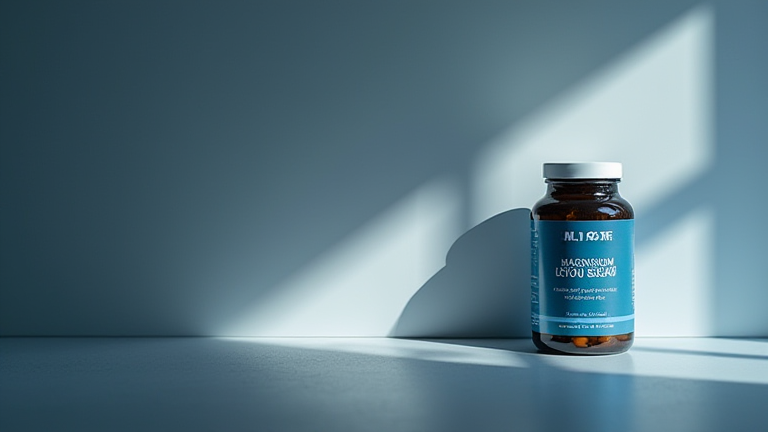
  • Magnesium Glycinate: The Best Sleep Supplement for Deep Rest

    Magnesium Glycinate: The Best Sleep Supplement for Deep Rest

    TL;DR: Magnesium glycinate is widely considered the best magnesium form for sleep because its glycine content calms the nervous system while the mineral itself supports the neurotransmitters that regulate deep rest. Unlike laxative forms such as citrate or oxide, it absorbs well without causing digestive upset, making it ideal for nightly use.

    Why Magnesium Matters for Sleep

    Roughly half of adults fall short on magnesium, and the consequences show up at night. Magnesium regulates the NMDA receptor and GABA—the brain’s primary calming pathway—while helping convert tryptophan into melatonin. Research published in Sleep and other journals links adequate magnesium status with longer sleep time, fewer nighttime awakenings, and higher slow-wave (deep) sleep. Deficiency, by contrast, is associated with insomnia, muscle cramps, and a racing mind at bedtime.

    If you want to dig deeper, check out our guide on Best 3-4 Seat Sectional Under $10k CAD: Top Picks.

    Why Glycinate Specifically?

    Magnesium must be bound to a carrier to be stable, and the carrier changes everything. Glycinate pairs magnesium with glycine, an inhibitory amino acid that lowers core body temperature—one of the physiological triggers for sleep onset. This combination is highly bioavailable and gentle on the stomach. Magnesium citrate is better for constipation, oxide is poorly absorbed, and threonate is costly with modest evidence. For sleep, glycinate offers the best balance of absorption, tolerability, and calming effect.

    How to Use It Wisely

    Most studies and clinicians suggest 200–400 mg of elemental magnesium taken 30–60 minutes before bed. Start low, especially if you take medications or have kidney issues, and check with your doctor first. Supplementation works best alongside foundational habits: keep a consistent sleep-wake schedule, dim lights in the evening, cut caffeine after noon, and keep your bedroom cool and dark. Magnesium is a supporting player, not a substitute for sleep hygiene.

    FAQ

    Q: How long until magnesium glycinate improves my sleep?
    A: Some people notice calmer evenings within a few days, but full effects on deep sleep typically emerge after two to four weeks of consistent use as tissue levels rise.

    Q: Can I take magnesium glycinate every night?
    A: Yes, it is generally safe for nightly use at doses up to 400 mg elemental magnesium, though anyone with kidney disease or on prescription medication should consult a physician first.

    Q: Does magnesium glycinate cause drowsiness the next morning?
    A: It should not. Glycinate is gently calming rather than sedating, and its effect fades as magnesium is excreted, so morning grogginess is uncommon at appropriate doses.

    Related Articles

  • 7 Simple Daily Habits for Better Health & Longevity

    TL;DR: Small, consistent choices—moving more, eating whole foods, sleeping well, and managing stress—have an outsized impact on how long and how well you live. This article breaks down seven science-backed daily habits you can start today to boost energy, lower disease risk, and add healthy years to your life.

    1. Move Your Body Every Day

    You don’t need a grueling gym session to reap the benefits of exercise. Research consistently links just 20–30 minutes of daily movement—brisk walking, cycling, or even gardening—to a lower risk of heart disease, type 2 diabetes, and premature death. The key is consistency over intensity. Try anchoring movement to an existing routine, like a walk after lunch or stretching while your coffee brews.

    If you want to dig deeper, check out our guide on Space Tourism: The New Luxury Lifestyle Norm for Elite Trave.

    2. Prioritize Sleep Like It’s a Meeting

    Sleep is when your body repairs tissue, consolidates memory, and regulates hormones. Adults who consistently get 7–9 hours of quality sleep have stronger immune systems and lower rates of chronic illness. Keep a consistent bedtime, dim screens an hour before bed, and keep your room cool and dark.

    3. Eat More Plants, Fewer Ultra-Processed Foods

    Diets rich in vegetables, fruits, legumes, whole grains, and nuts are repeatedly associated with longer lifespans in large population studies. Aim to fill half your plate with plants at each meal. You don’t have to be perfect—just nudge the ratio in your favor most days.

    4. Stay Hydrated

    Even mild dehydration can sap your energy, fog your thinking, and strain your kidneys. Keep a water bottle visible and sip throughout the day. Herbal tea and water-rich foods like cucumber and watermelon count too.

    5. Manage Stress Before It Manages You

    Chronic stress raises cortisol, which over time can harm your heart, sleep, and immune function. A few minutes of deep breathing, meditation, or journaling daily can meaningfully lower stress markers. Find one calming practice and treat it as non-negotiable.

    6. Nurture Your Social Connections

    Loneliness carries health risks comparable to smoking, according to decades of research. Strong relationships with friends, family, or community groups are linked to better mental health and longer life. A quick phone call or shared meal counts more than you’d think.

    7. Don’t Skip Preventive Care

    Regular checkups, screenings, and vaccinations catch problems early—when they’re easiest to treat. Knowing your numbers (blood pressure, cholesterol, blood sugar) empowers you to make informed choices. Prevention is quietly one of the most powerful longevity tools available.

    FAQ

    Q: How long before these habits make a difference?
    A: Some benefits—like better mood and energy—can appear within days, while reductions in chronic disease risk build over months and years of consistency.

    Q: Do I need to do all seven habits perfectly?
    A: No. Research suggests that even adopting two or three consistently delivers meaningful benefits. Start with one habit and build from there.

    Q: Are supplements necessary for longevity?
    A: For most healthy adults eating a balanced diet, supplements aren’t required. Always consult a healthcare provider before adding any, since needs vary by individual.

    Related Articles