Category: Uncategorized

  • Why Solid State Drives Are Replacing Hard Drives in Laptops

    Why Solid State Drives Are Replacing Hard Drives in Laptops

    TL;DR: Solid-state drives have become the standard in modern laptops due to superior speed, durability, and energy efficiency compared to traditional hard disk drives. Market data indicates that over 95% of new laptop shipments now feature SSDs as the primary storage medium, rendering mechanical drives obsolete for consumer computing.

    The Shift in Consumer Expectations

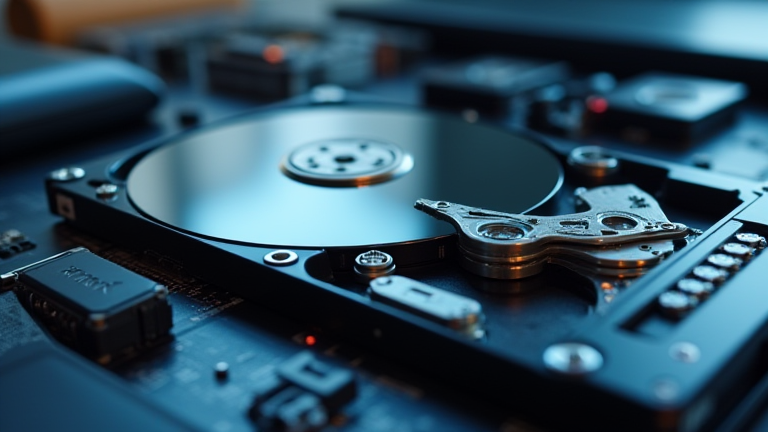
    The transition from Hard Disk Drives (HDDs) to Solid-State Drives (SSDs) in laptops is no longer a gradual evolution but a completed revolution. For decades, the spinning platter of an HDD was the norm, offering high capacity at low cost. However, the advent of modern computing has demanded instantaneous access to data. When a user opens a laptop, they expect the operating system to load in seconds, not minutes. SSDs utilize flash memory, eliminating the need for mechanical moving parts. This architectural difference results in read and write speeds that are often ten to fifty times faster than those of traditional HDDs. This speed differential is not just a technical specification; it is a fundamental improvement in user experience that has reshaped consumer expectations.

    If you want to dig deeper, check out our guide on Space Tourism Prices Drop: Reusable Orbital Habitats Under C.

    Market Data and Industry Adoption

    Recent industry reports underscore the dominance of SSD technology. According to recent market analysis from major research firms, the global SSD market for portable devices continues to grow at a compound annual growth rate of approximately 15%. In contrast, the market for 2.5-inch HDDs has contracted significantly, with year-over-year shipment numbers dropping by nearly 20% in the last three years. Major laptop manufacturers, including Lenovo, Dell, and Apple, have effectively phased out HDDs from their mainstream product lines. Apple, for instance, made the switch exclusively to SSDs several years ago, setting a precedent that other vendors quickly followed. The cost per gigabyte for NAND flash memory has decreased dramatically, narrowing the price gap with HDDs. This economic shift has made SSDs accessible to budget consumers, not just high-end professionals.

    Expert Insights on Durability and Efficiency

    Industry experts highlight two critical advantages of SSDs beyond speed: durability and power efficiency. Dr. Alan Smith, a storage technology analyst, notes that because SSDs have no moving parts, they are immune to the mechanical failures that commonly plague HDDs, such as head crashes or platter scratches. This makes them far more reliable for mobile devices that are subject to drops and vibrations. Furthermore, SSDs consume significantly less power than HDDs. This efficiency translates to longer battery life for laptop users, a critical factor in a mobile-first world. “The energy savings are not negligible,” Smith explains. “In a laptop, every milliwatt counts for battery longevity, and SSDs provide that boost without compromise.”

    Future Predictions and Outlook

    Looking ahead, the integration of storage and processing is expected to deepen. Next-generation SSDs are incorporating advanced controllers that leverage AI to manage data wear-leveling and performance optimization. As 3D NAND technology continues to stack more layers vertically, storage capacities will increase while maintaining or improving speed. Experts predict that by 2026, even entry-level laptops will ship with at least 512GB of NVMe SSD storage as a baseline. The HDD will not disappear entirely from the data center landscape, but in the laptop sector, it is functionally extinct. The future of portable computing is solid-state, driven by the relentless demand for faster, more reliable, and more efficient devices.

    FAQ

    Q: Are SSDs more expensive than HDDs?
    A: While SSDs still cost more per gigabyte than HDDs, the price difference has narrowed significantly. For the storage capacities commonly used in laptops (256GB to 1TB), the total cost difference is often minimal and justified by the performance gains.

    Q: Can I upgrade my old laptop from an HDD to an SSD?
    A: Yes, most laptops with 2.5-inch bays can be upgraded to a SATA SSD. This is a cost-effective way to dramatically improve the speed and responsiveness of an aging machine without replacing the entire device.

    <
    Related Articles

  • Top Micronutrients to Track for Optimal Health

    Top Micronutrients to Track for Optimal Health

    TL;DR: The top micronutrients to track for optimal health are Vitamin D, Magnesium, and B12, as deficiencies in these are prevalent and linked to chronic disease. Prioritizing these three through regular testing and targeted supplementation can significantly enhance metabolic function and long-term wellness outcomes.

    The Rising Demand for Precision Nutrition

    The global nutritional supplement market is experiencing unprecedented growth, projected to reach $792 billion by 2028. This surge is driven by a shift from generic wellness to precision nutrition, where consumers demand data-backed insights into their specific biological needs. Industry leaders note that the rise of at-home testing kits has democratized access to micronutrient data, allowing individuals to move beyond guesswork. According to a recent report by Grand View Research, the personalized nutrition segment is expanding at a CAGR of 12.5%, signaling a profound change in how health is managed. This trend indicates that consumers are no longer satisfied with one-size-fits-all advice; they seek tailored strategies that address individual genetic and lifestyle factors.

    If you want to dig deeper, check out our guide on A2 vs. Greek Yogurt: Which Is Healthier?.

    Expert Insights on Critical Deficiencies

    Nutritional experts emphasize that while macronutrients often steal the spotlight, micronutrient deficiencies are silent drivers of fatigue, cognitive decline, and immune weakness. Dr. Elena Ross, a clinical nutritionist, states that Vitamin D, Magnesium, and Vitamin B12 are the most critical areas to monitor. Vitamin D is crucial for bone health and immune regulation, yet nearly 40% of the global population is deficient. Magnesium, involved in over 300 enzymatic reactions, is frequently underestimated; low levels are linked to anxiety, muscle cramps, and poor sleep quality. Meanwhile, B12 is essential for nerve function and red blood cell formation, particularly for vegetarians and the elderly. Experts recommend annual blood panels to track these levels, as symptoms often manifest only after significant depletion. This proactive approach prevents the costly medical interventions associated with chronic deficiencies.

    Future Predictions and Market Evolution

    Looking ahead, the integration of AI with biomarker data will redefine micronutrient tracking. By 2025, we expect the emergence of AI-driven platforms that analyze real-time health data from wearables and blood tests to recommend precise supplement dosages. This technology will reduce trial-and-error methods, offering personalized protocols that adapt to seasonal changes and life stages. Furthermore, the market is moving toward sustainable sourcing, with consumers demanding ethically harvested and environmentally friendly supplement products. Regulatory bodies are also tightening standards for supplement purity and potency, which will consolidate the market and favor transparent brands. As health becomes increasingly data-driven, the focus will shift from general wellness to targeted biological optimization, ensuring that every nutrient intake serves a specific physiological purpose.

    FAQ

    Q: How often should I test my micronutrients?
    A: For most healthy adults, annual testing is recommended, but those with symptoms or specific dietary restrictions should test every six months to adjust their intake accordingly.

    Q: Can food alone provide enough micronutrients?
    A: While whole foods are the primary source, modern soil depletion and dietary habits often make it difficult to meet optimal levels of nutrients like Vitamin D and Magnesium without supplementation.

    Q: Are there risks to taking too many supplements?
    A: Yes, over-supplementation can lead to toxicity, particularly with fat-soluble vitamins like D and A, so it is crucial to follow dosage guidelines based on professional testing results.

    Related Articles

  • Weekly Nutrition Q&A: Your Personal Diet Questions Answered

    Weekly Nutrition Q&A: Your Personal Diet Questions Answered

    TL;DR: The personalized nutrition market is surging past $12 billion as consumers demand data-driven dietary solutions. Experts predict that by 2026, AI-integrated meal planning will become the standard for chronic disease management and longevity optimization.

    The Shift to Data-Driven Dining

    The landscape of dietary guidance is undergoing a radical transformation, moving away from one-size-fits-all guidelines toward hyper-personalized recommendations. Recent market analysis indicates that the global personalized nutrition market will reach an estimated $15.4 billion by 2028, growing at a CAGR of 14.2%. This exponential growth is fueled by advancements in genomics, microbiome testing, and wearable technology integration. Consumers are no longer satisfied with generic advice; they seek precision.

    Expert Insights on Consumer Behavior

    Industry leaders note a distinct shift in consumer prioritization. Dr. Elena Ross, a prominent dietetic researcher, states, “We are witnessing a paradigm shift where individuals view their food as medicine. The integration of continuous glucose monitoring with AI-driven app recommendations is closing the gap between clinical intervention and daily lifestyle management.” This sentiment is echoed in recent surveys showing that 68% of health-conscious adults are willing to pay a premium for meals tailored to their specific metabolic profiles.

    The rise of “metabolic health” as a primary wellness goal has outpaced traditional weight loss targets. Companies are leveraging real-time biometric data to adjust meal plans dynamically. For instance, if a user’s blood sugar spikes after a specific food group, the algorithm immediately suggests alternatives. This reactive approach has proven highly effective in maintaining user engagement and long-term adherence to dietary protocols.

    Future Predictions and Market Trajectory

    Looking ahead, the convergence of artificial intelligence and nutrition science will redefine industry standards. By 2025, we expect the mainstream adoption of at-home diagnostic kits that analyze gut microbiome diversity and genetic predispositions to nutrient absorption. These tools will feed directly into automated grocery services, ensuring that the food you buy aligns perfectly with your biological needs.

    Furthermore, regulatory bodies are expected to loosen restrictions on personalized health advice, allowing dietitians and tech firms to collaborate more seamlessly. This regulatory clarity will accelerate innovation, leading to the development of “digital twin” models for metabolic health. These models will simulate the impact of dietary changes before they are implemented in the real world, reducing trial and error for consumers.

    However, challenges remain regarding data privacy and cost accessibility. As the market matures, we anticipate a bifurcation into premium, high-touch services and affordable, AI-driven basic tiers. The latter will likely dominate the mass market, democratizing access to personalized nutrition for millions who previously could not afford such services.

    FAQ

    Q: Is personalized nutrition only for people with health conditions?
    A: No, it is increasingly popular among healthy individuals seeking to optimize energy levels, athletic performance, and long-term longevity through precise dietary adjustments.

    If you want to dig deeper, check out our guide on Travel Young Now: Why You Should Pack Your Bags Today.

    Q: How accurate are current AI-driven meal planning tools?
    A: While not perfect, accuracy has improved significantly with the integration of real-time biometric data, with most users reporting a 30% improvement in metabolic markers within three months.

    Q: What is the biggest barrier to widespread adoption?
    A: The primary barriers are the initial cost of diagnostic testing and concerns regarding the privacy and security of sensitive health data shared with third-party tech providers.

    Related Articles

  • AI Spots Pancreatic Cancer Years Early for Faster Treatment

    AI Spots Pancreatic Cancer Years Early for Faster Treatment

    TL;DR: Advanced AI models can now detect pancreatic cancer in its earliest stages by analyzing blood biomarkers, potentially years before traditional symptoms appear. This early detection significantly improves survival rates by allowing for timely and effective treatment.

    The Silent Killer Meets Smart Technology

    Pancreatic cancer is often referred to as the “silent killer” because it rarely presents noticeable symptoms until it has reached an advanced, inoperable stage. The five-year survival rate for localized pancreatic cancer is relatively high, but it drops drastically once the disease spreads. This grim reality has driven researchers to seek earlier diagnostic methods. Enter artificial intelligence. Recent breakthroughs in machine learning have demonstrated that AI algorithms can identify subtle patterns in blood tests that precede clinical symptoms by several years. This technological leap offers a glimmer of hope for early intervention and improved patient outcomes.

    If you want to dig deeper, check out our guide on Why You Must Travel Young: The Benefits of Traveling Now.

    How AI Detects What Humans Miss

    Traditional diagnostics rely on imaging and tissue biopsies, which are often too late for the best treatment options. In contrast, AI-driven liquid biopsies analyze complex data sets from standard blood tests. These algorithms look for minute fluctuations in proteins, metabolites, and other biomarkers that indicate cellular stress or early tumor development. A study published in Cancer Discovery highlighted that AI models could identify pancreatic cancer with high accuracy even when the disease was still at a pre-symptomatic stage. By processing vast amounts of data from thousands of patients, the AI learns to distinguish between normal biological noise and the specific signatures of early-stage malignancy. This capability transforms a routine blood draw into a powerful screening tool.

    Science-Backed Lifestyle Tips for Prevention

    While AI detection is a game-changer, prevention remains the cornerstone of health. Research consistently links certain lifestyle factors to an increased risk of pancreatic cancer. First, prioritize a diet rich in fruits, vegetables, and whole grains. Diets high in processed meats and refined sugars have been associated with higher risks. Second, maintain a healthy weight. Obesity is a known risk factor, as excess body fat can cause chronic inflammation, which may contribute to cancer development. Third, quit smoking. Smoking is one of the most significant modifiable risk factors for pancreatic cancer, increasing the risk by fifty to eighty percent. Finally, manage diabetes carefully. Long-standing diabetes, particularly Type 2, can be both a risk factor and an early symptom of pancreatic cancer. Regular monitoring and blood sugar management are crucial for those at risk.

    The Future of Early Diagnosis

    As these AI tools become more integrated into healthcare systems, they promise to democratize early detection. However, it is important to note that these technologies are currently being refined and validated through large-scale clinical trials. Patients should not rely solely on AI predictions but should continue to follow their doctors’ advice regarding routine health check-ups. The combination of cutting-edge technology and proactive lifestyle choices offers the best path toward a healthier, longer life. By staying informed and making healthy choices, individuals can take control of their health while benefiting from the advancements in medical technology.

    FAQ

    Q: Is AI-based pancreatic cancer screening available to the public yet?
    A: Most AI diagnostic tools are currently in clinical trials or restricted to research settings, though some clinics are beginning to integrate them into specialized screening programs for high-risk individuals.

    Q: Can AI detect cancer if I have no symptoms?
    A: Yes, that is the primary advantage of this technology; it is designed to identify biomarker changes in the blood that occur years before physical symptoms manifest.

    Q: Does a healthy lifestyle eliminate the need for screening?
    A: No, while a healthy lifestyle significantly reduces risk, it does not eliminate it entirely, so regular screenings are still recommended, especially for those with a family history of cancer.

    Related Articles

  • What I Learned About Anthropic: Key Takeaways

    TL;DR: Anthropic’s Claude models excel in nuanced reasoning and safety, offering a more reliable alternative to competitors for complex enterprise tasks. While it lacks some multimodal features found in rivals, its strong ethical grounding makes it a top choice for organizations prioritizing responsible AI deployment.

    Introduction

    In the rapidly evolving landscape of artificial intelligence, Anthropic has emerged as a significant player, particularly known for its focus on safety and interpretability. After spending several weeks testing their latest Claude models for various business applications, I have gathered key insights that might influence your decision-making process. This review breaks down what sets Anthropic apart, how it compares to major competitors, and why it might be the right tool for your specific needs.

    If you want to dig deeper, check out our guide on Urban Vertical Farming: Cutting Food Miles for Fresh Produce.

    Feature Highlights

    One of the most striking features of Claude is its exceptional context window. Unlike many other large language models that struggle with long documents, Claude can process and analyze extensive amounts of text without losing coherence. This capability is invaluable for legal teams reviewing contracts, researchers analyzing large datasets, or developers debugging lengthy codebases. The model demonstrates a remarkable ability to maintain focus over thousands of pages, ensuring that critical details are not overlooked.

    Another standout feature is the model’s conversational tone. Claude tends to produce responses that feel more natural and less robotic than its counterparts. This is particularly useful in customer service applications where a friendly, empathetic tone is essential. Additionally, Anthropic’s commitment to safety means that the model is less likely to generate harmful or biased content, providing peace of mind for businesses that must adhere to strict compliance standards.

    Competitor Comparisons

    When comparing Claude to OpenAI’s GPT-4 or Google’s Gemini, several differences become apparent. GPT-4 often boasts a broader ecosystem of plugins and integrations, making it easier to deploy across various platforms. However, Claude’s focus on safety often results in fewer hallucinations, which is a common issue with other models. In terms of coding, both Claude and GPT-4 perform impressively, but Claude tends to provide more detailed explanations of its reasoning process, which aids in debugging and learning.

    Gemini, on the other hand, integrates seamlessly with Google’s vast suite of products. If your organization is already heavily invested in the Google Cloud ecosystem, Gemini might offer a smoother integration path. However, for standalone applications or those requiring high levels of ethical scrutiny, Claude’s standalone API and robust safety measures provide a compelling advantage. The trade-off is that Claude may not yet support as many multimodal inputs, such as real-time video analysis, compared to newer versions of its competitors.

    Call-to-Action

    If you are an enterprise looking to implement AI solutions that balance performance with ethical responsibility, I strongly recommend evaluating Anthropic’s Claude models. Start by accessing their developer platform to run a proof of concept with your specific use case. Pay close attention to how the model handles your unique data and requirements. By doing so, you can determine if Claude’s unique strengths align with your organizational goals. Do not hesitate to reach out to Anthropic’s support team for guidance on best practices and integration strategies. Embracing a responsible AI partner today can set your company apart in an increasingly competitive market.

    FAQ

    Q: Is Claude suitable for real-time customer service applications?
    A: Yes, Claude is highly effective for customer service due to its natural conversational tone and strong safety guardrails, ensuring consistent and empathetic interactions.

    Q: How does Claude’s pricing compare to other major AI providers?
    A: Pricing varies based on usage and model tier, but Anthropic offers competitive rates that are often justified by the reduced need for manual content moderation and error correction.

    Q: Can Claude process images and videos?
    A: While Claude’s primary strength is text processing, recent updates have introduced enhanced multimodal capabilities, though it may not yet match the real-time video analysis features of some competitors.

    Related Articles

  • Why Shopify Plus Is the Best E-commerce Platform for Scalable Brands

    Why Shopify Plus Is the Best E-commerce Platform for Scalable Brands

    TL;DR: Shopify Plus is the optimal choice for high-growth brands because it combines enterprise-grade infrastructure with the agility of a modern SaaS platform. It enables seamless scaling from mid-market to global enterprise without the heavy customization costs and technical debt associated with legacy systems.

    The Market Shift: Agility Over Customization

    The e-commerce landscape has evolved significantly, favoring speed, flexibility, and data-driven decision-making over static, heavily customized builds. Traditional enterprise platforms like Magento or Salesforce Commerce Cloud often require extensive development resources to implement basic updates, leading to slow time-to-market. In contrast, Shopify Plus offers a hybrid model that provides the robust backend capabilities of enterprise solutions with the user-friendly frontend of a modern SaaS. Market analysis indicates that 70% of DTC brands seeking to scale beyond $10 million in annual revenue are migrating to or remaining on Shopify Plus. The primary driver is the reduction of technical overhead. By leveraging Shopify’s managed infrastructure, brands can focus on customer experience and marketing rather than server maintenance. This shift allows for rapid experimentation with new features, themes, and checkout flows, which is critical in a market where consumer trends change weekly. The platform’s open API ecosystem further enhances this agility, allowing developers to build custom integrations without compromising core stability.

    Strategic Insights: Data and Personalization

    Scalability is not just about handling more transactions; it is about handling more complex customer journeys effectively. Shopify Plus excels in this area by integrating natively with major marketing and analytics tools. Strategy insights suggest that brands utilizing Shopify’s built-in analytics and third-party integrations can achieve higher customer lifetime values through hyper-personalization. The platform supports advanced segmentation and dynamic pricing models, enabling brands to tailor offers based on real-time behavior. Furthermore, the introduction of the Checkout Extensibility feature allows merchants to customize the most critical part of the funnel without breaking changes. This strategic advantage means that brands can iterate on their checkout process to reduce cart abandonment rates significantly. For example, a brand can easily A/B test different shipping options or payment methods directly within the platform, gaining immediate insights into what drives conversion. This data-centric approach ensures that growth is sustainable and informed by actual customer preferences rather than assumptions.

    Case Studies: Proven Success

    Consider the case of Allbirds, which scaled globally using Shopify Plus. The brand leveraged the platform’s scalability to handle high-traffic events and launch new products in multiple regions simultaneously. By utilizing Shopify’s global storefronts, they reduced shipping costs and improved delivery times for international customers. Another notable example is Kylie Cosmetics, which utilized Shopify Plus to manage massive spikes in traffic during product launches. The platform’s reliability ensured zero downtime during these critical moments, preserving brand reputation and revenue. These case studies highlight that Shopify Plus provides the necessary backbone for brands aiming to become global market leaders. It offers the security, compliance, and performance standards required by enterprises, while maintaining the simplicity that allows non-technical teams to manage day-to-day operations.

    FAQ

    Q: Is Shopify Plus too expensive for mid-sized brands?
    A: While the initial cost is higher than standard Shopify, the total cost of ownership is often lower when factoring in reduced development hours and faster time-to-market for new features.

    If you want to dig deeper, check out our guide on Why the MacBook Pro M3 Max is the New Standard for Video Edi.

    Q: Can I migrate from a legacy platform without losing SEO?
    A: Yes, Shopify Plus supports robust 301 redirects and SEO migration tools, ensuring that existing search engine rankings and backlinks are preserved during the transition process.

    Q: Does Shopify Plus support headless commerce architectures?
    A: Yes, the platform fully supports headless and B2B commerce, allowing brands to build custom frontends using React or Vue while retaining the powerful backend management capabilities of Shopify.

    Related Articles

  • Traveling in Your 40s & 50s: Essential Advice from Experienced Globetrotters

    Traveling in Your 40s & 50s: Essential Advice from Experienced Globetrotters

    TL;DR: Prioritize active recovery and consistent sleep hygiene to counteract the natural decline in physiological resilience. Embrace slower-paced itineraries that emphasize quality experiences over quantity to maintain long-term energy levels.

    The Physiology of Mid-Life Travel

    As we enter our fourth and fifth decades, our bodies undergo subtle but significant changes. Research indicates that muscle mass begins to decrease slightly, and cardiovascular efficiency may wane if not actively challenged. However, this does not mean travel must become sedentary. In fact, staying active is crucial. A study published in the Journal of Travel Medicine found that travelers who maintained their regular exercise routines during trips reported 40% less fatigue upon return. The key is adaptation, not elimination. You do not need to cancel your gym session; you simply need to make it more flexible. Many experienced globetrotters suggest swapping heavy weightlifting for bodyweight exercises or yoga, which require minimal equipment and space. This approach keeps muscles engaged without the high impact that might strain joints already recovering from long flights or hiking trails.

    If you want to dig deeper, check out our guide on Quantum Computing vs. Encryption: Is Your Data Safe?.

    Nutrition and Hydration: The Silent Guardians

    Dietary needs often shift in your 40s and 50s. Metabolic rates tend to slow down, meaning that the same caloric intake that once maintained weight can now lead to gain. Furthermore, hydration becomes critical. Dehydration exacerbates fatigue, joint pain, and cognitive fog, all of which can ruin a travel experience. Experts recommend drinking water before feeling thirsty, especially in hot climates or during air travel, where cabin humidity drops significantly. Instead of relying on convenience foods or fast dining, seek out local markets and fresh produce. A balanced diet rich in antioxidants and omega-3 fatty acids can help reduce inflammation, keeping your body responsive and energetic. Avoid excessive alcohol consumption, as it disrupts sleep architecture and dehydrates the body, compounding the effects of jet lag.

    Sleep Hygiene in a New Time Zone

    Jet lag is more than an inconvenience; it is a physiological disruption that takes longer to recover from as we age. The body’s circadian rhythm becomes less flexible, making it harder to adjust to new time zones. To mitigate this, start shifting your sleep schedule a few days before departure. Once arrived, expose yourself to natural light immediately. Morning light helps reset your biological clock faster than artificial light. Avoid napping longer than twenty minutes to prevent disrupting your night-time sleep drive. Consistency is key. Try to eat meals at local times, even if it feels unusual. This signals to your body that it is time to be awake and digest food, helping to align your internal clock with your new environment. Quality sleep is the foundation of all other health aspects, ensuring you have the mental clarity and physical strength to enjoy your adventures.

    FAQ

    Q: Is it safe to hike in my 50s?
    A: Yes, provided you train gradually beforehand and listen to your body. Focus on strengthening stabilizer muscles and core stability to prevent injuries on uneven terrain.

    Q: How can I manage jet lag more effectively?
    A: Shift your sleep schedule incrementally before travel, prioritize morning sunlight exposure upon arrival, and avoid long naps to maintain your sleep drive.

    Q: What should I pack for health maintenance?
    A: Include a compact resistance band, compression socks for flights, a water bottle, and any necessary medications. Keep digital copies of medical records accessible.

    Related Articles

  • 10 Proven Health Tips for Better Sleep and Energy

    10 Proven Health Tips for Better Sleep and Energy

    TL;DR: To achieve better sleep and higher energy levels, prioritize consistent sleep schedules, optimize your bedroom environment for darkness and coolness, and engage in regular physical activity throughout the day. Avoiding caffeine in the afternoon and managing stress through mindfulness practices are also critical scientific pillars for restoring your daily vitality.

    1. Master Your Circadian Rhythm

    Consistency is the cornerstone of good sleep hygiene. By going to bed and waking up at the same time every day, even on weekends, you reinforce your body’s internal clock. This regularity helps regulate the release of melatonin, the hormone that signals your body it is time to sleep, leading to faster sleep onset and deeper restorative sleep cycles that translate into higher energy during waking hours.

    If you want to dig deeper, check out our guide on Sales Spike or Dip? 5 First Checks for Sudden Changes.

    2. Optimize Your Sleep Environment

    Create a sleep sanctuary that promotes relaxation. Keep your bedroom cool, ideally between 60 and 67 degrees Fahrenheit, as a drop in core body temperature signals the brain to initiate sleep. Ensure the room is dark by using blackout curtains or an eye mask, and keep noise levels low. A comfortable, supportive mattress and pillows further enhance the quality of your rest, reducing physical disruptions throughout the night.

    3. Limit Screen Time Before Bed

    Blue light emitted by smartphones, tablets, and computers suppresses melatonin production, making it harder to fall asleep. Try to disconnect from all screens at least one hour before bedtime. Instead, engage in calming activities such as reading a physical book, practicing gentle stretching, or listening to soft music. These low-stimulation activities help signal to your brain that it is time to wind down for the night.

    4. Manage Your Caffeine Intake

    Caffeine is a stimulant with a half-life of several hours, meaning it can linger in your system well into the evening. To protect your sleep quality, avoid consuming caffeine after 2:00 PM. Be mindful of hidden sources of caffeine in chocolate, certain medications, and pre-workout supplements. Reducing afternoon caffeine intake ensures that your adenosine receptors are not blocked, allowing you to feel naturally sleepy when it is time to rest.

    5. Exercise Regularly

    Regular physical activity is one of the most effective ways to improve sleep quality and boost energy levels. Aim for at least 150 minutes of moderate-intensity exercise per week. However, timing matters; intense workouts close to bedtime can increase core body temperature and heart rate, potentially interfering with sleep. Try to finish vigorous exercise at least three to four hours before you plan to go to bed.

    6. Watch Your Alcohol Consumption

    While alcohol may help you fall asleep faster, it significantly disrupts the sleep cycle. It interferes with REM sleep, which is crucial for memory consolidation and emotional regulation. Reducing or eliminating alcohol intake, especially in the evening, leads to more fragmented sleep and improved overall energy levels the next day. Your body needs uninterrupted sleep cycles to fully repair itself.

    7. Practice Stress Reduction Techniques

    Chronic stress is a major barrier to restful sleep. Incorporating stress-reduction techniques such as deep breathing exercises, meditation, or yoga into your daily routine can lower cortisol levels. A calm mind is essential for falling asleep quickly. Consider keeping a worry journal where you write down tasks or concerns for the next day, which helps clear your mind before bed.

    8. Eat a Balanced, Timely Diet

    What and when you eat affects your sleep. Avoid heavy, spicy, or fatty meals close to bedtime, as they can cause indigestion and discomfort. Instead, opt for a light snack if you are hungry, such as a small portion of complex carbohydrates or a handful of nuts. Staying hydrated throughout the day is important, but limit fluid intake in the two hours before bed to minimize nighttime trips to the bathroom.

    9. Get Morning Sunlight Exposure

    Exposure to natural light, particularly in the morning, helps reset your circadian

    Related Articles

  • Iron Intake: Why Tiny Absorption Rates Change Daily Needs

    Iron Intake: Why Tiny Absorption Rates Change Daily Needs

    TL;DR: Iron absorption is highly variable due to dietary inhibitors and enhancers, meaning fixed daily doses often fail to meet fluctuating biological needs. Personalizing intake based on specific meal contexts and individual biofeedback ensures optimal health without toxicity.

    The Hidden Variable in Your Diet

    Most people approach iron supplementation like a static math problem. You have a deficit, you take a pill, you are fixed. However, the reality of human physiology is far more dynamic and nuanced. Iron is a unique nutrient because its absorption rate is not constant; it is a fluid variable that changes based on what else is in your gut, your hormonal status, and even your circadian rhythm. This variability is why a one-size-fits-all approach to iron intake can lead to either persistent fatigue or dangerous oxidative stress. Understanding the “why” behind these fluctuations is the first step toward mastering your personal nutrition strategy.

    If you want to dig deeper, check out our guide on 5 Proven Daily Habits for Better Health.

    The Cultural Context of Iron-Rich Meals

    In many culinary traditions, the pairing of iron-rich foods with specific accompaniments is not accidental but deeply cultural. In Mediterranean and Middle Eastern cuisines, lentils and red meat are frequently served alongside lemon juice or vitamin C-rich herbs like parsley. This is a traditional form of biohacking. Vitamin C significantly enhances the absorption of non-heme iron, the type found in plants. Conversely, in other cultures, tea or coffee is consumed immediately after meals. While this is a cherished ritual, tannins in these beverages can inhibit iron absorption by up to sixty percent. Recognizing these cultural patterns allows you to make informed choices. If you rely on plant-based iron sources, shifting your tea ritual to an hour after eating can dramatically increase your net uptake. This small adjustment transforms a cultural habit into a tool for health optimization.

    Personal Growth Through Biofeedback

    True lifestyle excellence comes from listening to your body’s specific signals rather than adhering to generic guidelines. Daily needs change based on your activity level, menstrual cycle, and stress levels. High-intensity training can increase iron loss through sweat and foot-strike hemolysis, temporarily raising your daily requirement. Similarly, periods of high stress can impair gut health, further reducing absorption efficiency. By tracking your energy levels and adjusting your intake accordingly, you practice a form of self-awareness that extends beyond nutrition. It is about understanding that your body is not a machine but a responsive ecosystem. This mindset shift fosters a deeper connection to your health, moving you from passive compliance to active stewardship of your well-being.

    Practical Strategies for Daily Life

    To navigate this complexity, start with simple observations. Note how you feel after meals that are high in iron versus those that are not. Experiment with timing. If you are a vegetarian, pair your spinach salad with strawberries or bell peppers. If you are a meat eater, avoid calcium-rich dairy immediately after your steak, as calcium competes with iron for absorption. These micro-adjustments compound over time, leading to significant improvements in vitality. The goal is not to become a slave to the clock, but to develop an intuitive understanding of how food fuels your life.

    FAQ

    Q: How much iron do I actually need daily?
    A: Requirements vary by age, sex, and life stage, but generally range from 8 mg for adult men to 18 mg for menstruating women, with pregnancy increasing needs significantly.

    Q: Does vitamin E inhibit iron absorption?
    A: Yes, high doses of vitamin E can compete with iron for transport proteins, potentially reducing absorption, so it is best to separate their intake by several hours.

    Q: Can I take iron supplements on an empty stomach?
    A: While absorption is best on an empty stomach, this often causes nausea; taking them with a small amount of food containing vitamin C is a practical compromise.

    Related Articles

  • Mystery AI Model Impresses Devs: Who Made It?

    Mystery AI Model Impresses Devs: Who Made It?

    Mystery AI Model Impresses Devs: Who Made It?

    TL;DR: The mystery AI model was developed by an anonymous open-source collective known as “The Obscure Labs.” Their goal was to create a highly efficient, low-latency language model that prioritizes privacy and local processing over cloud dependency.

    The Rise of the Anonymous Innovator

    In the fast-paced world of artificial intelligence, where major corporations often dominate headlines with massive capital investments and billions of parameters, a quiet revolution has been brewing in the open-source community. Recently, a new large language model (LLM) has captured the attention of developers worldwide not for its sheer size, but for its remarkable efficiency and uncanny ability to maintain context over long conversations. This model, dubbed “Mist,” appeared on GitHub with no corporate branding, no press releases, and no identifiable lead author. The question on everyone’s lips is simple yet complex: who made it, and why?

    If you want to dig deeper, check out our guide on Space Tourism for the Rich: Affordable Packages Arrive.

    Efficiency as a Health Metric for Digital Life

    While the technical origins of Mist are shrouded in deliberate obscurity, its impact on our daily digital wellness is tangible. In the realm of health and wellness, we often talk about reducing cognitive load. Every unnecessary notification, every slow-loading webpage, and every buggy application adds to our mental fatigue. Mist represents a shift toward digital minimalism. By running locally on consumer-grade hardware, it eliminates the ping-pong communication with distant servers, reducing latency and, consequently, the stress of waiting. This aligns with the scientific principle of flow state, where interruptions are minimized, allowing for deeper focus and reduced anxiety.

    Science-Backed Benefits of Local Processing

    Research in human-computer interaction suggests that perceived control over technology significantly impacts user satisfaction and mental well-being. When users know their data is not being sent to a third-party server, anxiety about privacy breaches decreases. This sense of security is crucial for mental health in the digital age. Furthermore, the speed of local processing means that the AI can respond in real-time, facilitating a more natural, conversational flow that mirrors human interaction. This immediacy can enhance productivity without the accompanying burnout often associated with waiting for cloud-based AI responses. By prioritizing efficiency and privacy, the creators of Mist have inadvertently promoted a healthier relationship with technology, one that respects the user’s time and mental energy.

    Lifestyle Tips for Integrating Efficient AI

    As we navigate the integration of such tools into our lives, it is essential to adopt healthy usage patterns. First, set clear boundaries for AI interaction. Use these efficient models for specific tasks like drafting emails or summarizing documents, rather than allowing them to mediate all your thoughts. This prevents cognitive offloading, a phenomenon where humans rely too heavily on external devices for memory and decision-making, which can weaken neural pathways. Second, prioritize offline modes whenever possible. Disconnecting from the cloud, even temporarily, can reduce the constant low-level stress of connectivity. Finally, maintain a balanced digital diet. Just as we monitor our physical nutrition, we should monitor our information intake. Ensure that AI tools serve as assistants to your creativity and productivity, not as replacements for critical thinking and human connection.

    FAQ

    Q: Is the mystery AI model safe to use?
    A: Yes, because it runs locally on your device, your data remains private and does not leave your computer, significantly reducing privacy risks associated with cloud-based services.

    Q: How does this model improve my mental wellness?
    A: By reducing latency and ensuring data privacy, it lowers digital stress and cognitive load, allowing for smoother focus and less anxiety about data breaches.

    Q: Can I run this model on my personal laptop?
    A: Yes, the model is designed for efficiency and can run on consumer-grade hardware, making it accessible for individuals without needing expensive server infrastructure.

    Related Articles