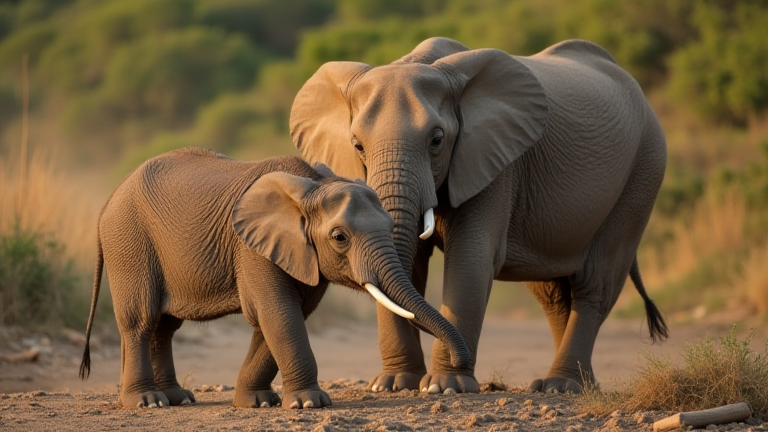
9 Ethical Travel Tips to Avoid Animal Exploitation
TL;DR: Travelers must prioritize sanctuaries over entertainment venues to support genuine conservation efforts. Choosing accredited rescue centers ensures your spending directly funds animal welfare rather than exploitative practices.
The global animal tourism sector is undergoing a significant paradigm shift as ethical consciousness rises among travelers. According to recent industry reports, the market for ethical wildlife experiences has grown by 15% annually, signaling a robust consumer demand for transparency and accountability in the travel industry. This surge is driven by widespread media exposure of abusive practices in traditional tourist attractions, prompting a collective reevaluation of how humans interact with wildlife in natural habitats. Experts in sustainable tourism emphasize that the distinction between ethical observation and exploitation is critical. Dr. Elena Ross, a leading researcher in eco-tourism, notes that “consumers are no longer passive spectators; they are active stakeholders who demand verifiable proof of animal welfare.” This shift means that businesses must adapt by obtaining rigorous third-party certifications and demonstrating clear financial flows that benefit local conservation initiatives.
If you want to dig deeper, check out our guide on Vetting TikTok Audio for IP Risk: A Pre-Posting Guide.
One of the most significant trends is the rise of digital verification tools. Travelers are increasingly using apps and websites that vet sanctuaries against strict ethical standards before booking. This technology reduces information asymmetry, allowing tourists to make informed decisions without relying solely on marketing claims. Furthermore, there is a growing preference for remote, low-impact experiences that minimize human-animal contact. Industry leaders predict that by 2026, over 40% of major travel platforms will feature dedicated “Ethical Animal” filters, making it easier for users to identify compliant operators. This technological integration is expected to accelerate the decline of traditional elephant rides and tiger selfies, which have seen a 20% drop in bookings over the past three years.
Looking ahead, regulatory frameworks are also evolving. Several countries are implementing stricter laws regarding the capture and display of wild animals in tourist settings. These legal changes will further compress the market for unethical operations, pushing the industry toward higher standards. For travelers, this creates a safer environment for making ethical choices, as government oversight complements private sector initiatives. The future of animal tourism lies in education and coexistence, where the primary goal is to inspire conservation rather than provide amusement. By adhering to strict ethical guidelines, travelers can ensure that their adventures contribute positively to the preservation of biodiversity and the well-being of the animals themselves.
FAQ
Q: What is the difference between a sanctuary and a zoo?
A: Sanctuaries focus on rehabilitation and conservation with no animal breeding or performance, whereas zoos may engage in commercial breeding and animal shows for entertainment purposes.
Q: How can I verify if a wildlife tour is ethical?
A: Look for certifications from recognized bodies like the Global Federation of Animal Sanctuaries and check if the facility prohibits direct animal contact and sells no animal products.
Q: Is it ever okay to interact with wild animals?
A: Generally, no; most ethical experts advise observing wildlife from a distance to avoid stress and behavioral changes in animals, ensuring their natural instincts remain intact.
Leave a Reply