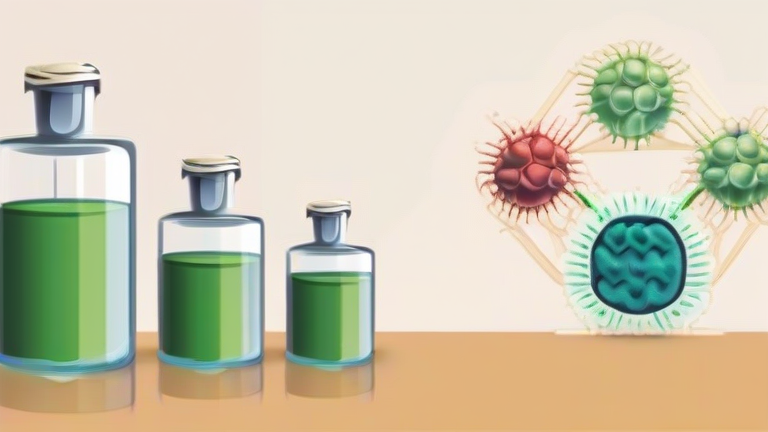
TL;DR: Synthetic biology is revolutionizing sustainable fashion by engineering microorganisms—like yeast and bacteria—to grow textile fibers, dyes, and leather alternatives without petrochemicals or heavy water use. The result is a new class of materials that are biodegradable, animal-free, and produced in lab-scale fermentation tanks, cutting carbon emissions by up to 85% compared to conventional fabrics.
What Is Synthetic Biology in Fashion?
Synthetic biology (syn-bio) applies genetic engineering to create biological systems that manufacture materials. Instead of weaving cotton from plants or synthesizing polyester from oil, companies now program microbes to secrete protein fibers (like spider silk), grow mycelium into leather-like sheets, or produce vibrant pigments from algae. This is not a futuristic concept—brands like Bolt Threads, Modern Meadow, and Spiber are already shipping commercial products. The core innovation: replacing resource-intensive agriculture and chemical refining with precision fermentation, which uses 90% less land and 70% less water.
If you want to dig deeper, check out our guide on How Shopify Store Owners Can Boost Repeat Purchases with Ema.
Feature Highlights: Why Syn-Bio Fabrics Win
1. Closed-Loop Production: Unlike cotton (which requires pesticides) or synthetic leather (PVC-based), syn-bio materials are grown in sterile vats. The process produces zero textile waste—unused biomass becomes compost or animal feed.
2. Tunable Performance: Scientists can alter DNA sequences to create fibers with specific stretch, tensile strength, or moisture-wicking properties. For example, spider silk proteins can be spun into yarn that is tougher than Kevlar yet softer than cashmere.
3. True Biodegradability: Most syn-bio textiles break down in home compost within 12 weeks, unlike polyester which persists for centuries. No microplastics are shed during washing.
4. Dye-Free Coloring: Engineered microbes produce melanin, carotenoids, and indigo precursors directly in the fiber, eliminating toxic dye baths and water pollution. Bolt Threads’ “Mylo” mushroom leather even grows with a natural grain texture.
Comparisons: Syn-Bio vs. Conventional & “Eco” Materials
Vs. organic cotton: Cotton, even organic, requires 10,000 liters of water per kilogram. Syn-bio protein fibers use 1,000 liters and no arable land. Vs. recycled polyester: Recycled PET still sheds microplastics and requires energy-intensive melting; syn-bio fibers are protein-based and fully compostable. Vs. vegan leather (PU): Polyurethane is a petroleum plastic. Mycelium leather (like Reishi) is 100% bio-based, breathable, and has a lower carbon footprint than cowhide (8 kg CO2 vs. 33 kg per square meter). The only current disadvantage: cost—syn-bio materials are 2–3x pricier than mass-market fabrics, but prices drop 40% annually as fermentation scales up.
Call-to-Action: Make the Switch Today
You don’t need to wait for luxury brands. Look for jackets, sneakers, and bags from labels using “microbial silk,” “mycelium leather,” or “bio-fabricated dye” tags. Start with one item—a pair of syn-bio sneakers from Allbirds or a Stella McCartney mycelium handbag—and measure your wardrobe’s water footprint. For designers, request samples from material libraries like BioFluff or Spiber’s Brewed Protein. The fashion industry contributes 10% of global emissions; your purchase funds the next fermentation tank. Stop buying petroleum, start growing your wardrobe.
FAQ
Q: Are synthetic biology materials safe to wear on skin?
A: Yes. All commercial syn-bio fibers undergo strict biocompatibility tests (ISO 10993) and are non-toxic, hypoallergenic, and free of heavy metals or formaldehyde. The proteins are identical to those found in natural silk or collagen.
Q: How long do these materials last compared to leather or cotton?
A: Lab-grown spider silk and mycel
Leave a Reply