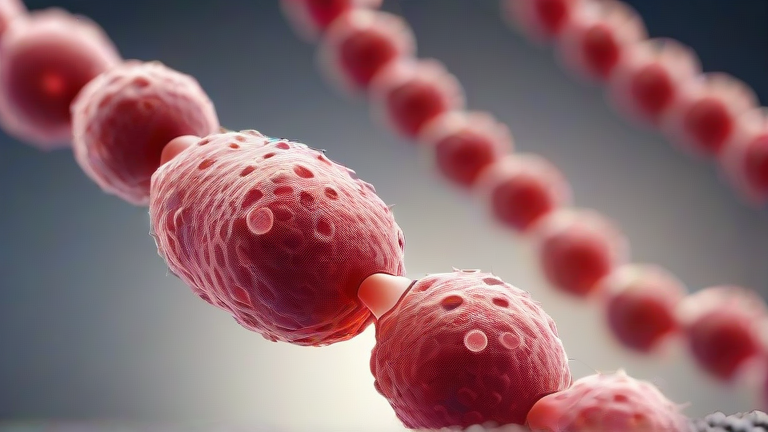
TL;DR: Personalized mRNA vaccines offer a groundbreaking method for preventing chronic diseases like cancer and autoimmune disorders by training the immune system to target specific cellular anomalies before they progress. While not yet a standard for all chronic conditions, this technology represents a shift from reactive treatment to proactive, individualized immune modulation.
The Science Behind Precision Immunotherapy
For decades, the primary role of vaccines was to protect against infectious agents. However, recent breakthroughs in mRNA technology have expanded this paradigm to include chronic disease prevention, particularly in oncology and neurodegenerative conditions. Unlike traditional vaccines that use live or inactivated pathogens, mRNA vaccines deliver genetic instructions for the body to produce specific proteins. In the context of chronic disease, these instructions are tailored to an individual’s unique genetic profile, allowing the immune system to recognize and attack abnormal cells or molecular patterns associated with disease progression.
If you want to dig deeper, check out our guide on Combat Screen Fatigue: Top Digital Wellness Apps.
Recent clinical trials have shown promising results in using personalized mRNA vaccines for melanoma, where the vaccine is designed to target neoantigens—unique proteins found on tumor cells. By stimulating a robust T-cell response, the vaccine helps the immune system keep the disease in remission. This approach is not about curing an active, advanced disease but rather preventing its onset or recurrence by creating a state of immune vigilance.
Lifestyle Synergies for Optimal Immune Function
While personalized mRNA vaccines represent a technological leap, their efficacy is significantly influenced by the body’s baseline health. To maximize the benefits of such advanced interventions, adopting a science-backed lifestyle is essential. Chronic inflammation is a known driver of many chronic diseases and can dampen immune responses. Therefore, reducing systemic inflammation through dietary choices is critical. Incorporating anti-inflammatory foods such as fatty fish, leafy greens, nuts, and berries can help maintain a balanced immune environment. These foods provide essential omega-3 fatty acids and antioxidants that support cellular repair and reduce oxidative stress.
Physical activity also plays a pivotal role. Regular moderate exercise enhances immune surveillance by increasing the circulation of immune cells. However, excessive intensity without recovery can lead to temporary immunosuppression, so a balanced routine is key. Aim for 150 minutes of moderate aerobic activity per week, complemented by strength training to maintain muscle mass, which is vital for metabolic health.
Sleep is another non-negotiable pillar of wellness. During deep sleep, the immune system consolidates its response to new stimuli, including those from vaccines. Prioritizing seven to nine hours of quality sleep ensures that the body is in an optimal state to process and respond to personalized interventions. Additionally, stress management techniques such as mindfulness meditation and deep breathing exercises can lower cortisol levels, preventing chronic stress from compromising immune function.
It is also important to stay informed about emerging research. As personalized medicine evolves, regular consultations with healthcare providers who specialize in preventive care can help identify when such advanced therapies might be applicable. Combining cutting-edge medical technology with foundational lifestyle habits creates a holistic approach to chronic disease prevention. This dual strategy ensures that the body is not only equipped with advanced immunological tools but also maintains the internal stability required for these tools to function effectively.
FAQ
Q: Are personalized mRNA vaccines available for all chronic diseases?
A: No, they are currently primarily in clinical trials for specific cancers and are not yet a standard treatment for common chronic conditions like diabetes or heart disease.
Q: How does diet affect the effectiveness of mRNA vaccines?
A: A nutrient-rich diet supports overall immune health, ensuring that the body has the necessary resources to mount a strong and sustained immune response to the vaccine.
Q: Is personalized vaccination a replacement for traditional preventive care?
A: No, it complements traditional care; maintaining healthy lifestyle habits and regular screenings remains essential for comprehensive disease prevention.
Leave a Reply