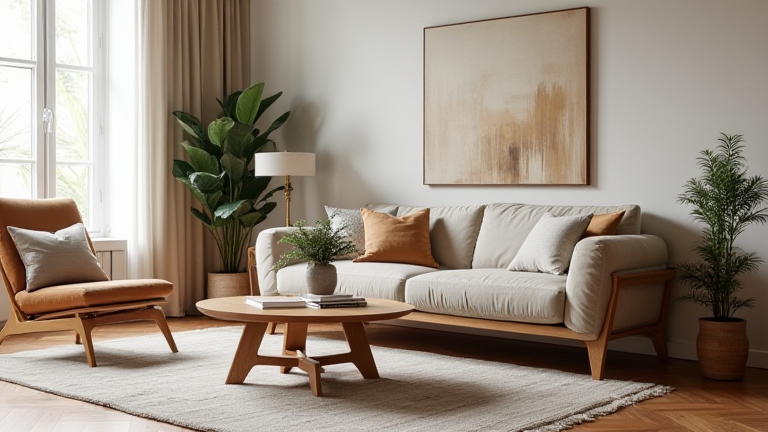
TL;DR: The resurgence of solid wood furniture is redefining modern home decor by shifting consumer focus from transient trends to timeless durability and sustainable craftsmanship. This trend is driven by a growing demand for authentic materials that enhance indoor air quality and offer long-term value over disposable synthetic alternatives.
The Shift Toward Authenticity and Sustainability
The modern interior design landscape is undergoing a significant transformation, moving away from the sleek, mass-produced minimalism of the early 2010s toward a warmer, more tactile aesthetic. At the heart of this shift is the renewed popularity of solid wood furniture. Unlike particleboard or veneered alternatives, solid wood pieces offer a unique combination of durability, aesthetic versatility, and environmental responsibility. As homeowners spend more time in their living spaces, the desire for materials that feel authentic and age gracefully has never been stronger. This movement is not merely a stylistic preference but a fundamental reevaluation of what constitutes quality in home furnishings. Consumers are increasingly rejecting the idea that furniture should be disposable, opting instead for investments that can last for generations.
If you want to dig deeper, check out our guide on Top 10 Sustainable Home Goods Trending Now.
Market Data and Consumer Behavior
Recent industry reports highlight a robust growth trajectory for the solid wood furniture sector. According to a 2023 analysis by Grand View Research, the global wood furniture market is expected to grow at a compound annual growth rate (CAGR) of approximately 5.4% through 2030. A significant portion of this growth is attributed to the premium segment, where buyers are willing to pay a premium for certified sustainable sources such as FSC-certified oak, walnut, and maple. Market data from the National Association of Home Builders indicates that a staggering 78% of homeowners consider sustainability a key factor in their furniture purchasing decisions. Furthermore, online sales of solid wood pieces have surged, with e-commerce platforms reporting a 40% increase in year-over-year sales for high-end hardwood items. This digital shift has made it easier for consumers to access artisanal and custom-made pieces that were previously only available through local boutiques.
Expert Insights on Design Evolution
Industry experts suggest that the rise of solid wood is reshaping modern design principles. Elena Rodriguez, a leading interior design consultant, notes, “We are seeing a fusion of contemporary clean lines with the organic irregularities of natural wood grain. This creates a balance between structure and warmth that synthetic materials simply cannot replicate.” The trend extends beyond individual pieces to entire rooms, where homeowners are using solid wood as a unifying element. For instance, walnut dining tables paired with white oak shelving create a cohesive narrative of material integrity. Experts also point to the psychological benefits of natural materials, citing studies that show exposure to wood can reduce stress and improve cognitive function. This biophilic design approach is becoming a standard expectation in high-end residential projects, driving manufacturers to innovate in joinery techniques and finish technologies that highlight the natural beauty of the wood.
Future Predictions and Industry Outlook
Looking ahead, the solid wood furniture industry is poised for continued expansion, driven by technological advancements in manufacturing and a deeper understanding of material science. Predictive analytics suggest that by 2025, the market for reclaimed and upcycled wood will double, as consumers seek even more sustainable options. Innovations in laser cutting and CNC machining are allowing for intricate designs that were previously impossible, catering to a demand for personalized and bespoke furniture. Additionally, the integration of smart technology into solid wood frames is emerging as a niche but growing segment, combining the warmth of natural materials with the functionality of modern connectivity. As environmental regulations tighten globally, manufacturers will likely face stricter requirements regarding sourcing and chemical treatments, further accelerating the shift toward eco-friendly production methods. The future of home decor lies in the harmony between human craftsmanship and natural materials, with solid wood serving as the cornerstone of this evolving aesthetic.
FAQ
Q: Is solid wood furniture more expensive than synthetic alternatives?
A: Yes, solid wood furniture typically has a higher upfront cost due to material quality and craftsmanship. However, it offers greater longevity and often retains resale value better than synthetic options, making it a more cost-effective investment over time.
<strong
Leave a Reply