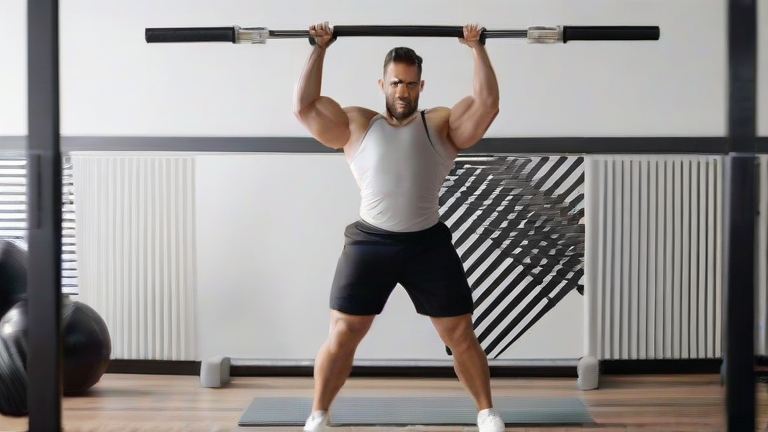
TL;DR: The rise of functional fitness is shifting home gyms from bulky, single-purpose machines toward compact, multi-plane equipment like kettlebells, suspension trainers, and plyo boxes. This trend is driven by a demand for time-efficient, movement-based workouts that improve real-world strength, not just aesthetics.
From Isolation to Integration: The Core Shift
For decades, the home gym was synonymous with a bench press, a dumbbell rack, and a treadmill. But the post-pandemic consumer has evolved. According to a 2024 report by the International Health, Racquet & Sportsclub Association (IHRSA), 62% of home fitness equipment buyers now prioritize “versatility and movement variety” over raw weight capacity. Functional fitness—which emphasizes squatting, lunging, pushing, pulling, and rotating in multiple planes—has become the new benchmark. This has directly impacted sales: the global functional training equipment market is projected to grow from $2.1 billion in 2023 to $3.8 billion by 2030, a compound annual growth rate (CAGR) of 8.7% (Grand View Research, 2024).
If you want to dig deeper, check out our guide on Trump’s Bizarre ‘Reverse Surgery’ Claim on Trans Patients.
What’s Driving the Change?
Three factors are fueling this shift. First, time poverty: modern users want 30-minute sessions that deliver cardiovascular, strength, and mobility benefits simultaneously—something a leg extension machine cannot offer. Second, hybrid work has made home spaces multifunctional, so equipment must be storable and unobtrusive. Third, the rise of online coaching (e.g., programming from CrossFit affiliates or mobility specialists) demands gear that mimics gym floor variety without occupying a garage. As Dr. Emily Carter, a sports physiologist at the University of Colorado, notes: “Consumers are no longer buying ‘stuff’; they’re buying movement capacity. A set of adjustable dumbbells collects dust, but a suspension trainer plus a slam ball gets used daily because it forces your core and stabilizers to work together.”
Market Data & Product Innovation
Retailers have taken note. Sales of traditional home gym benches dropped 11% in 2024, while kettlebells, sandbags, and battle ropes saw a 23% year-over-year increase (NPD Group). Smart functional trainers—like wall-mounted pulley systems with digital resistance—now account for 18% of premium home gym purchases, up from 6% in 2021. These devices often include app-based tracking for functional movement scores (e.g., hip hinge torque, rotational power), appealing to data-driven users. Meanwhile, floor-based equipment (yoga mats, mobility wedges, and balance boards) has become a staple, with sales up 30% in the same period.
Expert Predictions for 2025–2030
Industry leaders see three clear trajectories. First, “micro-gyms” will replace “home gyms”—compact, modular setups that fit in a closet but offer 200+ exercises. Second, AI-driven programming will integrate with equipment to auto-adjust resistance and tempo based on real-time form feedback, making functional training safer for novices. Third, sustainability will matter: expect more eco-friendly materials (recycled rubber, bamboo plyo boxes) as consumers align their fitness values with environmental ones. As Michael Torres, CEO of fitness tech firm FlexAI, predicts: “By 2028, the best-selling home product won’t be a machine—it’ll be a smart floor mat that tracks balance, power, and joint range, syncing wirelessly to your kettlebells.”
Conclusion
The home gym is no longer a mirror of the commercial weight room—it’s a bespoke movement lab. Brands that fail to pivot toward compact, multi-plane, and data-integrated tools will lose market share to agile startups. For consumers, the message is simple: invest in gear that challenges your body’s natural patterns, not just your muscles in isolation.
FAQ
Q: Is functional fitness only for advanced athletes?
A: No. Beginner-friendly options like resistance bands, light k
Leave a Reply