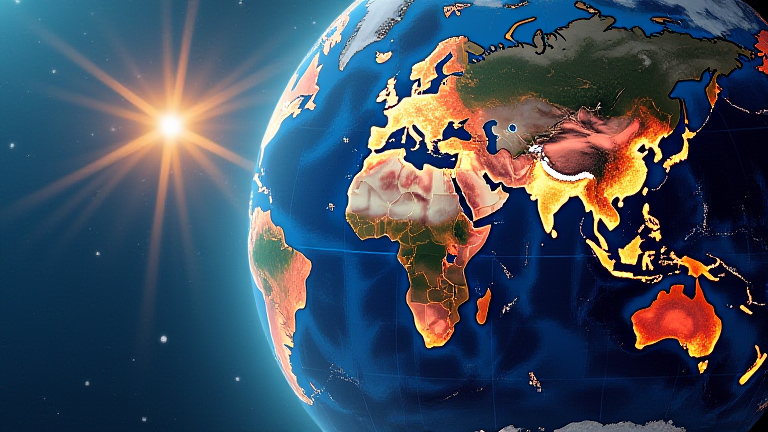
Met Office Warns: El Niño to Be Strongest in Living Memory
TL;DR: The Met Office predicts the upcoming El Niño will be the most intense in decades, causing significantly warmer global temperatures and disrupted weather patterns. To prepare, you should monitor local forecasts, secure your property against extreme weather events, and adjust your agricultural or travel plans accordingly.
Step 1: Understand the Scope of the Warning
First, recognize that “strongest in living memory” implies a magnitude of change that exceeds typical seasonal variations. El Niño refers to the warming of sea surface temperatures in the central and eastern Pacific Ocean. This warming disrupts global atmospheric circulation, leading to extreme weather events such as droughts in some regions and heavy rainfall in others. The Met Office’s warning is not merely a prediction of a warm summer; it is a signal of potential systemic climate volatility. You must treat this information as a critical update to your risk assessment. Read the full official reports to understand the specific regional impacts relevant to your location, as effects vary drastically between the Americas, Asia, and Europe.
If you want to dig deeper, check out our guide on Step-by-Step SEO Tutorial: Master Rankings in 7 Days.
Step 2: Assess Local Vulnerabilities
Next, evaluate how these global shifts will manifest locally. If you live in a region prone to drought, check water restrictions and ensure your home has adequate water storage. Conversely, if your area is susceptible to flooding, inspect drainage systems and clear gutters. For farmers, this step is crucial: review crop insurance policies and consider shifting planting schedules. Urban residents should check the resilience of local infrastructure, as extreme heat can strain power grids. By identifying your specific vulnerabilities, you can move from general anxiety to actionable planning. This assessment should be shared with household members or business partners to ensure everyone is on the same page regarding potential risks.
Step 3: Prepare Infrastructure and Resources
Once vulnerabilities are identified, take immediate physical action. Inspect your roof, windows, and doors for any weaknesses that could be exacerbated by storm surges or high winds. Ensure that emergency supplies, including non-perishable food, water, and medical kits, are stocked for at least three days. If you rely on electric vehicles, ensure charging infrastructure is protected from potential power outages during heatwaves. Additionally, review your insurance coverage. Standard policies may not cover certain climate-related events, so consult with your provider to understand exclusions. Do not wait for the first sign of extreme weather to act; proactive maintenance is far cheaper and more effective than reactive repair.
Step 4: Develop a Communication and Monitoring Plan
Finally, establish a routine for monitoring updates. Follow the Met Office and local emergency management services on social media for real-time alerts. Create a family communication plan that includes out-of-state contacts who can check in if local networks are down. Educate all household members on how to recognize early signs of distress related to heat or storms. For businesses, prepare contingency plans for supply chain disruptions. Regularly update your emergency kit as seasons change. By staying informed and connected, you reduce the chaos that often accompanies sudden weather events. Remember, resilience is built through preparation, not just reaction. Stay vigilant, remain flexible, and prioritize safety above all else.
FAQ
Q: How long will the strong El Niño last?
A: Typically, a strong El Niño event lasts between nine and twelve months, though its impacts on global weather can linger for several months after the ocean temperatures normalize.
Q: Will this affect my personal health?
A: Yes, extreme heat can lead to heatstroke and worsen respiratory conditions, while increased humidity and rainfall can boost mosquito populations, raising the risk of vector-borne diseases in some areas.
Q: Do I need to evacuate my home?
A: No, evacuation is not required for El Niño itself, but you should be prepared to follow local evacuation orders if specific severe weather events, like floods or landslides, are predicted for your area.
Leave a Reply