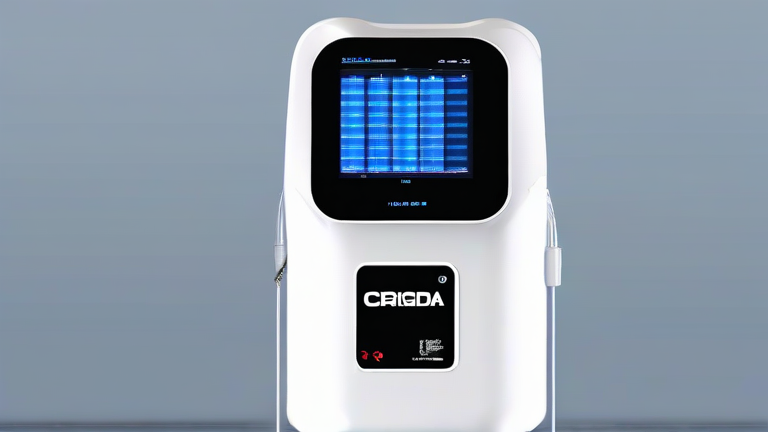
TL;DR: The FDA has officially approved the first autonomous robotic arm capable of performing venipuncture for blood draws. This innovation aims to reduce pain, improve sample integrity, and alleviate pressure on healthcare staff by automating the precise location and extraction of veins.
How to Utilize the New Robotic Blood Draw Device
Implementing this technology requires a structured approach to ensure safety, efficiency, and patient comfort. Follow these step-by-step instructions to integrate the device into your clinical workflow.
If you want to dig deeper, check out our guide on Smart Home Devices: Seamless Voice & Gesture Control.
Step 1: Patient Preparation and Verification
Before initiating the robotic sequence, verify the patient’s identity and confirm that they are eligible for the procedure. Ensure the patient is seated comfortably and their arm is properly positioned on the device’s cradle. Explain the process to the patient to reduce anxiety, as the robot uses ultrasound imaging to locate veins.
Step 2: Device Calibration and Setup
Power on the robotic unit and run the daily calibration check. Ensure the disposable needle cartridge is securely attached and the vacuum tubes are correctly loaded into the holder. The system will automatically perform a self-diagnostic to confirm sensor accuracy and mechanical integrity. Do not proceed if any error codes are displayed.
Step 3: Vein Mapping and Confirmation
Place the ultrasound transducer pad against the patient’s arm. The robot will scan the area and display a real-time map of the venous network on the operator’s screen. Review the suggested puncture site to ensure it is free of scar tissue or inflammation. Confirm the target vein is of sufficient size and depth for a safe draw.
Step 4: Execution of the Draw
Initiate the procedure by pressing the start button. The robotic arm will move the needle to the predetermined coordinate with sub-millimeter precision. Monitor the suction status to ensure blood flow is steady. The device automatically withdraws the needle once the required volume is collected, minimizing the risk of hematoma or bruising.
Step 5: Post-Procedure Care
Apply a sterile bandage to the site immediately after the needle retracts. Instruct the patient to keep the area clean and dry for twenty-four hours. Properly dispose of the used needle cartridge in the designated sharps container according to local biohazard protocols.
Pro Tips for Optimal Performance
Ensure the room temperature is stable, as extreme temperatures can affect the viscosity of the blood and the performance of the ultrasound sensors. Train your staff on the software interface to quickly resolve minor mapping errors. Maintain a strict cleaning schedule for the transducer pad to prevent cross-contamination and ensure clear imaging. Regularly update the device firmware to access the latest algorithmic improvements for vein detection accuracy.
FAQ
Q: Is the robotic blood draw less painful than manual draws?
A: Yes, the device uses real-time ultrasound guidance to locate the vein’s center, ensuring a single, precise puncture which significantly reduces pain and the likelihood of bruising.
Q: Can the robot handle patients with difficult-to-find veins?
A: Yes, the advanced imaging technology is specifically designed to visualize deep or small veins that are often missed in traditional visual palpation techniques.
Q: How often does the device require maintenance?
A: The device requires daily cleaning of the transducer and monthly professional servicing to ensure mechanical precision and software calibration remain optimal.
Leave a Reply