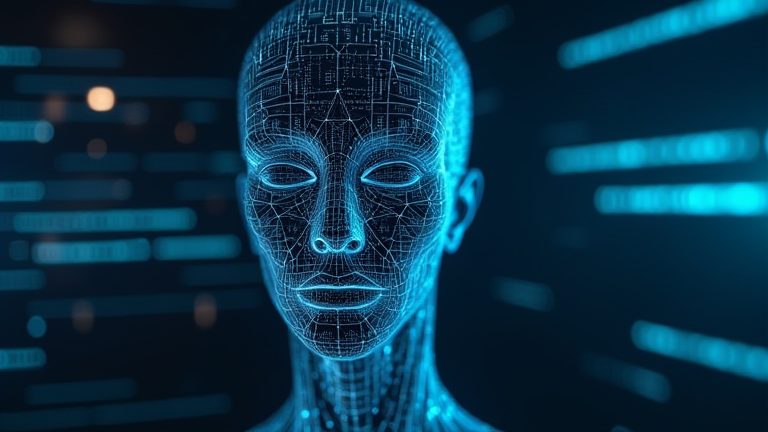
AI Deepfake Identity Fraud: Top Cybersecurity Threats & Solutions
TL;DR: AI deepfake identity fraud represents the most sophisticated phishing threat today, bypassing traditional biometric checks through hyper-realistic video and audio synthesis. Deploying multi-factor authentication combined with AI-driven anomaly detection is the only effective strategy to neutralize these advanced identity theft vectors.
Understanding the Threat Landscape
The rise of generative AI has fundamentally altered the cybersecurity perimeter. Attackers now utilize deepfake technology to clone executive voices and facial movements with terrifying accuracy. This evolution targets high-value social engineering attacks, where victims are tricked into transferring funds or sharing sensitive data via video calls that appear entirely legitimate. Traditional security measures, such as password complexity and standard two-factor authentication, are increasingly insufficient against adversaries who can spoof real-time biometric data. The financial implications are severe, with reported losses in the hundreds of millions annually, signaling a critical gap in current enterprise defense strategies.
Top Solutions and Feature Highlights
To combat this, organizations must adopt a layered defense approach. Leading cybersecurity platforms now integrate specific deepfake detection modules that analyze micro-expressions, skin texture inconsistencies, and audio waveform anomalies. Key features include real-time video analysis during live meetings, which flags unnatural blinking patterns or lip-sync mismatches instantly. Additionally, behavioral biometrics track user interaction patterns, such as typing rhythm and mouse movement, to detect when a legitimate user is being impersonated.
When comparing top-tier solutions, it is crucial to evaluate detection accuracy versus false positive rates. Some enterprise-grade tools offer a 99.9% detection rate for video deepfakes but may require significant infrastructure upgrades. In contrast, cloud-based solutions provide rapid deployment and lower upfront costs but may struggle with complex, multi-modal attacks involving both audio and video simultaneously. The best choice depends on your organization’s specific risk profile and technical capacity.
Strategic Implementation
Implementing these defenses requires more than just software installation. It involves comprehensive employee training to recognize subtle signs of manipulation, such as unnatural pauses or background inconsistencies. Organizations should mandate “out-of-band” verification for any high-value transactions requested via video or audio. This means confirming requests through a separate, pre-established channel, such as a phone call to a known number, rather than relying on the digital interaction itself.
Furthermore, regular red-team exercises that simulate deepfake attacks help identify vulnerabilities in human processes and technical controls. By combining advanced AI detection tools with rigorous procedural safeguards, companies can create a resilient defense system. The goal is not to eliminate risk entirely, as no system is perfect, but to raise the cost and complexity for attackers until they seek easier targets.
Call to Action
Do not wait for a breach to occur. Assess your current identity verification processes today. Schedule a comprehensive risk audit to identify where your systems might be vulnerable to synthetic media attacks. Proactive defense is the only way to protect your brand reputation and financial assets in this new digital era.
FAQ
Q: Can deepfakes be detected by the human eye?
A: While obvious artifacts exist, modern deepfakes are often indistinguishable to the untrained eye, making automated AI detection essential for reliable security.
If you want to dig deeper, check out our guide on Why the Quiet Luxury Trend Is Driving Demand for Cashmere.
Q: Are small businesses at risk from deepfake fraud?
A: Yes, attackers frequently target small businesses because they often lack robust security protocols and may have fewer resources to recover from significant financial losses.
Q: How often should deepfake detection software be updated?
A: Updates should be applied continuously, as generative AI models evolve rapidly, requiring frequent retraining of detection algorithms to maintain high accuracy against new attack methods.
Leave a Reply