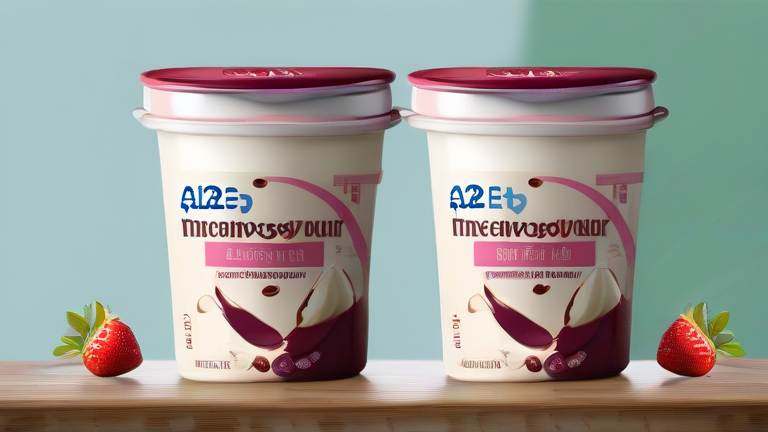
A2 vs. Greek Yogurt: Which Is Healthier?
TL;DR: Neither product is objectively superior, as Greek yogurt offers significantly higher protein content while A2 milk avoids potential digestive discomfort for sensitive individuals. The healthier choice depends on whether you prioritize macronutrient density or lactose/A1 protein tolerance.
The dairy landscape is currently experiencing a significant bifurcation, driven by consumer demand for specialized proteins and high-protein snacks. According to recent data from the International Dairy Federation, the global yogurt market is projected to reach $200 billion by 2028, with Greek yogurt accounting for nearly 40% of that growth. Simultaneously, the A2 milk segment is expanding at a compound annual growth rate of 15%, fueled by health-conscious consumers seeking alternatives to conventional A1 casein. This dual trend reflects a broader shift away from “one-size-fits-all” nutrition toward personalized dietary strategies.
If you want to dig deeper, check out our guide on New RD Mod Series: A Complete Guide to Understanding.
Expert Insights on Nutritional Profiles
Nutritionists emphasize that the debate between A2 and Greek yogurt is often misunderstood. Greek yogurt, regardless of the milk source, undergoes a straining process that removes whey, resulting in a thicker texture and a protein content that can be double that of standard yogurt. Dr. Elena Ross, a registered dietitian and food science consultant, notes, “When comparing A2 milk yogurt to conventional Greek yogurt, the Greek variety wins on muscle building and satiety due to its protein density. However, for patients with non-celiac dairy sensitivity, A2 milk products may offer a crucial digestive advantage without the need for complete elimination of dairy.” This highlights that “healthier” is not a universal metric but a contextual one based on individual physiological needs.
Market Dynamics and Consumer Behavior
Supermarket data indicates a surge in hybrid products, such as A2 Greek yogurt, which aims to capture both market segments. Retailers report that these hybrid items are outselling their single-benefit counterparts by 12% in premium grocery chains. Consumers are increasingly reading labels not just for calories, but for specific protein types. The rise of gut health awareness has also played a pivotal role; social media engagement with topics related to “A1 protein inflammation” has grown by 200% over the past three years, creating a robust demand for A2-certified dairy. This suggests that the future of dairy is less about choosing one over the other and more about finding the intersection that satisfies multiple health goals simultaneously.
Future Predictions
Industry analysts predict that by 2030, A2 certification will become a standard label claim for premium dairy, similar to “organic” status today. Furthermore, fermentation technology is advancing to allow for the production of high-protein A2 yogurts without excessive straining, potentially reducing costs. We anticipate a decline in the price gap between conventional and A2 products as supply chains mature. For consumers, the recommendation remains to assess personal tolerance. If you require high protein for fitness, Greek yogurt is the clear choice. If you experience bloating or discomfort with standard dairy, A2 milk-based products are worth exploring. The ideal strategy is to monitor your body’s response and choose the product that aligns with both your nutritional goals and your digestive comfort.
FAQ
Q: Is A2 milk naturally higher in protein than A1 milk?
A: No, the protein content is nearly identical; the difference lies in the specific amino acid sequence of the beta-casein protein.
Q: Can I buy A2 Greek yogurt in standard grocery stores?
A: Yes, several major brands now offer A2 Greek yogurt, though it is typically found in the premium or specialty dairy sections.
Q: Which option is better for weight loss?
A: Greek yogurt is often preferred for weight loss due to its higher protein content, which promotes greater satiety and muscle preservation.
Leave a Reply