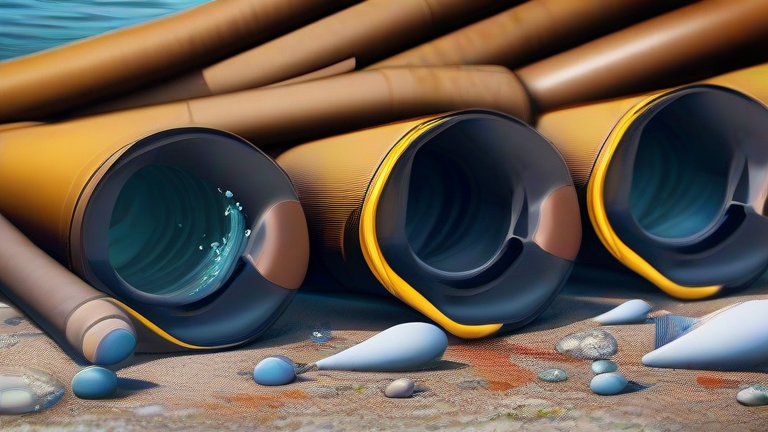
TL;DR: Decomposing abandoned oil and gas infrastructure releases significant volumes of microplastics into marine ecosystems, exacerbating existing pollution. Individuals can mitigate their personal contribution to this crisis by strictly adhering to a zero-single-use-plastic lifestyle and supporting stricter industrial accountability policies.
The Hidden Source of Marine Pollution
While public discourse often focuses on visible trash like bottles and bags, a more insidious source of ocean pollution lies in forgotten industrial relics. Abandoned oil and gas pipes, often left to decay after their useful life has ended, are now identified as major contributors to the global microplastic crisis. Recent scientific studies indicate that these deteriorating structures shed tens of thousands of tons of microplastics annually into the oceans. As these pipes rust and crack, they do not just leak hydrocarbons; they fragment into countless tiny plastic particles that are difficult to filter and highly persistent in the environment.
If you want to dig deeper, check out our guide on Wood Skyscrapers: How Flat-Pack Towers Shape Future Cities.
Health Implications of Microplastic Exposure
Microplastics are now found in drinking water, sea salt, and seafood, creating direct pathways for human exposure. Emerging research suggests that ingesting these particles can lead to inflammation, oxidative stress, and potential endocrine disruption. Because microplastics are small enough to cross biological barriers, they can accumulate in human tissues, including the liver and kidneys. While long-term clinical effects are still being studied, the precautionary principle suggests that reducing exposure is a vital health strategy. By understanding the sources of pollution, we can better protect our biological systems from these emerging environmental hazards.
Personal Actions for a Cleaner Ocean
Although the root cause involves large-scale industrial negligence, individual lifestyle choices play a crucial role in reducing the overall burden of plastic pollution. Start by conducting a home audit to identify single-use plastics. Replace plastic water bottles with durable glass or steel alternatives, which eliminates a major source of microfiber shedding during washing cycles. When shopping, choose products with minimal or reusable packaging. Look for certified “plastic-free” labels on personal care items, as many conventional shampoos and toothpastes contain microbeads or plastic-based thickeners.
Furthermore, be mindful of synthetic clothing. Every time you wash a polyester or nylon garment, microfibers are released into the wastewater system, eventually reaching the ocean. To combat this, wash synthetic clothes less frequently and use a filter bag or specialized washing machine attachments to capture fibers before they enter the drain. This simple habit significantly reduces your personal plastic footprint. Additionally, support local organizations that advocate for the safe removal and remediation of abandoned industrial sites. Political pressure is essential to enforce regulations that require companies to clean up their historical messes, preventing further leakage into our waterways.
FAQ
Q: Can filtering water at home remove all microplastics?
A: Standard tap water filters often fail to capture the smallest microplastic particles. To ensure maximum safety, consider using activated carbon filters combined with ultrafiltration or reverse osmosis systems, which are more effective at trapping minute contaminants.
Q: Does eating organic food reduce microplastic exposure?
A: Yes, organic foods typically have lower levels of plastic contamination compared to conventionally grown produce. This is because organic farming practices generally use fewer plastic-based agrochemicals and packaging, reducing the overall plastic load in the soil and food chain.
Q: How can I influence corporate responsibility regarding old infrastructure?
A: You can vote for representatives who support strict environmental cleanup laws and divest from companies with poor environmental records. Additionally, writing to corporations demanding transparency about their legacy pollution sites can apply direct pressure for proactive remediation efforts.
Leave a Reply