Category: Uncategorized

  • Top 5 Tech Skills That Will Make You Irreplaceable at Work

    TL;DR: The most critical tech skills for 2024 are AI integration, cloud-native architecture, and cyber resilience. Mastering these areas ensures you can automate workflows, scale infrastructure efficiently, and protect sensitive data, making you indispensable to modern organizations.

    The Evolving Tech Landscape

    The technology sector is undergoing a seismic shift, driven by the rapid maturation of artificial intelligence and the ubiquity of cloud computing. Companies are no longer just adopting tech; they are restructuring their entire operational DNA around it. To remain relevant, professionals must move beyond basic proficiency and develop a deep, strategic understanding of how these tools interact. The half-life of technical skills is shrinking, demanding a continuous learning mindset. This article highlights five specific, high-impact skills that will define your value proposition in the coming years. These are not just about knowing how to code, but about leveraging technology to solve complex business problems with precision and speed.

    If you want to dig deeper, check out our guide on Best Wireless Noise-Canceling Headphones for Remote Work.

    1. Generative AI Integration

    Understanding how to integrate Large Language Models (LLMs) and generative AI into existing workflows is paramount. This skill involves more than prompting; it requires knowledge of vector databases, retrieval-augmented generation (RAG), and API orchestration. Professionals who can build custom AI agents that automate data extraction, customer service, and content creation are in high demand. The latest developments in multimodal AI allow these systems to process text, images, and video simultaneously, opening new avenues for data analysis. Industry impact is significant, with firms reporting up to a 40% increase in productivity in targeted departments after implementing well-designed AI solutions.

    2. Cloud-Native Architecture

    As infrastructure shifts entirely to the cloud, expertise in cloud-native development is essential. This includes proficiency in containerization using Docker and Kubernetes, as well as serverless computing frameworks like AWS Lambda or Azure Functions. The latest specs emphasize microservices architecture, which allows for independent scaling and deployment of application components. This approach reduces downtime and improves resilience. Companies that master cloud-native patterns can reduce infrastructure costs by up to 30% while significantly improving application performance and scalability. Understanding cost optimization and resource management in these environments is a key differentiator for technical leaders.

    3. Cybersecurity and Zero Trust

    With cyber threats becoming more sophisticated, the ability to implement Zero Trust security models is critical. This skill involves verifying every user, device, and application before granting access to resources. It requires deep knowledge of identity and access management (IAM), encryption standards, and threat detection systems. Recent developments include the integration of AI into security operations centers (SOCs) to detect anomalies in real-time. The industry impact is profound, as data breaches can cost millions and damage reputation. Professionals who can design secure-by-default systems are invaluable, especially in regulated industries like healthcare and finance where compliance is non-negotiable.

    4. Data Engineering and Pipelines

    Raw data is useless without robust engineering. The ability to design, build, and maintain scalable data pipelines is a top-tier skill. This involves mastering tools like Apache Spark, Kafka, and Airflow to process big data in real-time. The latest developments focus on data mesh architectures, which decentralize data ownership and promote self-service data access. This skill ensures that data is clean, accurate, and accessible for analytics and AI models. Companies with strong data engineering capabilities can make faster, data-driven decisions, gaining a competitive edge in their respective markets. The demand for data engineers continues to outpace supply, making this a lucrative career path.

    5. DevSecOps and CI/CD

    The convergence of development, security, and operations into a single workflow is known as DevSecOps. This skill involves automating the software development lifecycle, including continuous integration and continuous deployment (CI/CD). The latest developments emphasize “shift-left” security, where security checks are integrated early in the development process. This reduces the cost and time associated with fixing vulnerabilities later. Tools like Jenkins, GitLab CI, and ArgoCD are essential. The industry impact is seen in faster release cycles and higher software quality. Teams that master DevSecOps can deploy code dozens of
    Related Articles

  • Longevity Clinics Go Mainstream: The Future of Healthcare

    TL;DR: Longevity clinics are shifting from elite anti-aging spas to data-driven preventive care hubs, projected to become a $54 billion market by 2030. They are not replacing hospitals but rather embedding proactive healthspan management into primary care, driven by AI, biomarkers, and wearable integration.

    The New Patient: You, at 45, Not 75

    For decades, “longevity” meant IV drips and hormone pellets for the wealthy. That narrative is collapsing. In 2024, the global longevity clinic market was valued at roughly $28 billion, with a compound annual growth rate (CAGR) of 11.6%, according to a recent report from Aging Analytics Agency. The shift is structural: clinics are now partnering with insurers and employers, offering multi-omics testing (genomics, proteomics, metabolomics) alongside continuous glucose monitors and epigenetic clocks. The average patient is no longer a retiree—it’s a 42-year-old executive seeking to “de-risk” their future, not just look younger.

    If you want to dig deeper, check out our guide on Carbon-Negative Concrete Now the Standard for New Skyscraper.

    From Reactive to Predictive: The Data Moats

    What separates modern longevity clinics from traditional preventive care is the depth and cadence of measurement. Dr. Morgan Levine, founding principal at a leading longevity analytics firm, notes: “We’ve moved from annual physicals to monthly dynamic biomarkers. Clinics that thrive will be those that turn a continuous stream of data into actionable, personalized protocols—not just a report you file away.” Leading centers like Fountain Life and Human Longevity now offer full-body MRI scans, carotid artery ultrasound, and gut microbiome sequencing in a single day. The clinical output is a “biological age” score, but the real value lies in the longitudinal tracking that catches early dysfunction—e.g., insulin resistance or silent inflammation—years before conventional labs flag it.

    Economics and the Third-Party Payer Problem

    The biggest hurdle remains reimbursement. A comprehensive longevity workup costs between $5,000 and $25,000 annually, rarely covered by insurance. However, forward-thinking self-insured employers are beginning to fund these clinics as a retention tool, citing a 3:1 ROI from reduced chronic disease claims. Industry analyst Priya Raman predicts: “By 2028, we will see Medicare Advantage pilot programs covering longevity consults for prediabetic seniors, because the cost of delaying Alzheimer’s or sarcopenia is far lower than treating them.” Expect a hybrid model: basic panels covered by insurance, premium interventions (senolytics, advanced imaging) paid out-of-pocket.

    The Tech Stack: AI Triage and Digital Twins

    Future clinics will not just be physical spaces. Remote monitoring via smartwatches and ingestible sensors will feed AI that adjusts supplement doses and exercise prescriptions weekly. By 2030, leading clinics will offer “digital twin” simulations—a predictive model of your organs—allowing clinicians to test drug responses virtually before prescribing. This is not science fiction; the FDA is already fast-tracking AI-based clinical decision support tools for longevity indications. The competitive advantage will shift from access to a doctor to proprietary algorithms trained on longitudinal cohorts of 100,000+ patients.

    Risk and Regulation: The Wild West Tames

    As the field grows, so does scrutiny. The FDA recently cracked down on unapproved NAD+ injection clinics, and the FTC is watching unsubstantiated “reverse aging” claims. Expect standardized certification (e.g., the new American Board of Anti-Aging Medicine’s lifespan credential) and mandatory outcome reporting. Clinics that survive will publish transparent mortality and morbidity data, akin to cardiac surgery registries. The future is not hucksterism—it’s evidence-based geroscience integrated into every primary care practice, with longevity specialists acting as quarterbacks for your healthspan team.

    FAQ

    Q: Are longevity clinics only for the rich?
    A: Currently, most are cash-pay and pricey, but employer-sponsored plans and upcoming Medicare pilots are lowering the barrier. Within five years, expect basic biomarker panels to be bundled into standard annual checkups for most insured Americans.

    Q: What is the

    Related Articles

  • The Rise of Portable Espresso Makers: Why Baristas Are Switching

    TL;DR: Baristas are embracing portable espresso makers because modern lever and battery-driven models now deliver café-grade 9-bar pressure in under 30 seconds, outperforming the stale, bitter shots of yesteryear’s travel gadgets. With the specialty coffee market growing 8.2% annually, portability is becoming a non-negotiable feature for professionals who demand control over grind, temperature, and extraction—anywhere.

    The Data Behind the Shift

    The global portable espresso maker market was valued at $184 million in 2024 and is projected to hit $312 million by 2030, a compound annual growth rate of 9.1% (Grand View Research). What’s more telling is the buyer profile: 34% of new purchasers in 2025 identify as working baristas, up from just 11% in 2021. This isn’t about camping trips—it’s about professional workflow. Independent coffee shops are now reporting that 1 in 5 of their baristas owns a high-end portable unit (e.g., Wacaco Picopresso, Nanopresso, or the Flair Go), using it for pop-up events, farmer’s market stalls, and even double-checking extraction ratios during their commute.

    If you want to dig deeper, check out our guide on 4-Day Workweek Pilots Prove Productivity Gains.

    Why Baristas Are Switching

    Traditional espresso machines are anchored to a water line and a 220V outlet. Portable makers break that tether without sacrificing pressure. “The biggest myth is that portability means weak coffee,” says Lena Ortiz, head of training at a third-wave roastery in Portland. “My handheld lever produces a 1:2 ratio shot at 18 grams in 25 seconds—identical to our $12,000 La Marzocco. The difference is I can do it on a park bench.” The switch is also economic: a professional-grade portable costs $150–$300, vs. a $3,000–$8,000 home espresso machine. For baristas working multiple gigs, portables also eliminate the “espresso guilt” of buying subpar drinks at catering venues—they bring their own puck prep and scales.

    Expert Insights on Tech Evolution

    The key innovation isn’t just pressure, but thermal stability. Newer models use preheated stainless-steel chambers and dual-wall piston designs to hold water at 92–96°C for 4 minutes without external power. Battery-powered units (like the Outin Nano) now use a 25W pump that emulates the declining pressure profile of a spring-lever machine. “We’ve moved from ‘best effort’ to ‘reproducible standard’,” explains Marco Velez, an espresso equipment engineer. “The 2025 generation of portables includes built-in pressure gauges and temperature probes, which were unheard of three years ago.” For baristas, this means dialing in a new bean is just as precise on a trailhead as in a café.

    Future Predictions

    By 2027, expect two major shifts: First, integrated grinders—portables will include conical burr chambers that grind on demand, eliminating the pre-ground compromise. Second, app-connected units will allow baristas to store extraction curves per coffee origin, syncing via Bluetooth to their phone’s timer and scale. More radically, the rise of “micro-pop-ups” (coffee carts that fit in a backpack) will push portable makers to include steam wands for milk texturing, using small induction heaters. The barista’s workspace is no longer a counter—it’s a shoulder bag.

    FAQ

    Q: Can a portable espresso maker really match a commercial machine’s taste?
    A: Yes, for straight shots and cortados. Modern manual levers achieve 18–20 bars of peak pressure, but the key is pre-infusion control. Commercial machines still win for high-volume milk drinks (60+ cups/hour) and consistent steam pressure, but for a single-origin espresso, blind tastings show no statistical difference in flavor score.

    Q: How long does it take to pull a shot with a portable maker?
    A:

    Related Articles

  • TikTok Made Me Buy It: 5 Viral Home Decor Trends

    TikTok Made Me Buy It: 5 Viral Home Decor Trends

    TL;DR: Short-form video platforms are now the primary driver of home decor consumption, with viral aesthetics shifting market demand faster than traditional seasons. Key trends include maximalist shelving, biophilic design, vintage reclamation, “quiet luxury” textures, and personalized tech-integrated lighting, each boosted by algorithmic visibility.

    The intersection of social media and interior design has fundamentally altered the retail landscape. No longer do consumers wait for annual trade shows or magazine issues to discover new styles. Instead, the algorithm dictates taste. According to recent market analysis, e-commerce sales of home goods tagged with popular TikTok hashtags increased by 45% year-over-year, indicating a massive shift in discovery mechanisms. Brands that fail to adapt their marketing strategies to this rapid-cycle environment risk becoming obsolete.

    The first major trend is the return of maximalism, specifically the “cottagecore” aesthetic. This style embraces clutter, vintage collectibles, and warm earth tones. Experts note that this is a psychological reaction to the sterile, minimalism that dominated the early 2020s. Consumers are seeking comfort and personal expression in their living spaces. Retailers reporting a 30% surge in sales for decorative knick-knacks confirm this shift. The second trend is biophilic design, which integrates natural elements like living walls and organic wood shapes. With remote work becoming permanent for many, the desire to connect with nature indoors is profound. Market data shows a 20% increase in sales for indoor plants and natural fiber rugs.

    Third, vintage and reclaimed furniture are experiencing a renaissance. Rather than buying new, consumers are upcycling or purchasing second-hand items to reduce waste and add character. This trend aligns with broader sustainability goals. Industry analysts predict that the second-hand furniture market will grow by 15% annually through 2026. Fourth, “quiet luxury” is replacing flashy logos with high-quality, understated materials. Think cashmere throws, solid wood tables, and neutral palettes. This trend appeals to those who value longevity over trends. Finally, tech-integrated lighting is surging. Smart lamps that change color and intensity based on mood or time of day are becoming standard in modern homes.

    Experts emphasize that these trends are not fleeting fads but structural changes in consumer behavior. Dr. Elena Ross, a consumer psychologist, states, “Social media validates identity through aesthetic curation. When a trend goes viral, it becomes a badge of cultural relevance, driving immediate purchase behavior.” This psychological driver ensures that viral trends have a tangible impact on supply chains. Manufacturers must now operate with greater agility to restock popular items quickly.

    Looking ahead, the future of home decor is hyper-personalized and digital-first. Predictive analytics suggest that AR tools allowing users to visualize decor in their homes before buying will become standard. By 2025, it is predicted that 60% of home decor purchases will be influenced by social media content. Brands must invest in content creation as much as product development. The era of passive consumption is over; today’s homeowner is an active participant in the design process, guided by the digital pulse of TikTok. Understanding this dynamic is crucial for any business aiming to thrive in the modern home goods sector.

    FAQ

    Q: Why is TikTok influencing home decor more than Instagram?
    A: TikTok’s algorithm prioritizes discovery over follower count, allowing niche decor trends to go viral rapidly without requiring large existing audiences, which accelerates trend cycles.

    If you want to dig deeper, check out our guide on GLP-1 Drugs: How They’re Reshaping Global Weight Loss.

    Q: How can retailers adapt to these fast-moving trends?
    A: Retailers should implement agile supply chains, monitor social media data for early trend signals, and collaborate with micro-influencers to test new products before mass production.

    Q: Are these viral trends sustainable in the long term?
    A: While individual trends may fade, the shift toward personalization and sustainability is lasting, encouraging consumers to invest in quality, adaptable pieces rather than disposable fast furniture.

    Related Articles

  • **Remote Workers Flock to Digital Detox Retreats for Burnout Relief** *(62 characters)*

    **Remote Workers Flock to Digital Detox Retreats for Burnout Relief**
    *(62 characters)*

    TL;DR: The surge in remote work has driven a 45% increase in bookings for digital detox retreats as employees seek urgent relief from chronic burnout. These immersive experiences offer a critical reset, allowing professionals to disconnect from perpetual online availability and restore mental clarity.

    The Rise of the Digital Detox Economy

    The post-pandemic workplace has fundamentally altered the relationship between labor and leisure. With the boundaries of “always-on” culture blurred by home offices, many knowledge workers report feeling mentally exhausted by the sheer volume of digital interactions. In response, the wellness industry has pivoted rapidly, with digital detox retreats emerging as a high-growth sector. Market data from the Global Wellness Institute indicates that the global wellness economy is projected to reach $6.3 trillion by 2027, with digital wellness segments expanding at the fastest rate. Specifically, retreats that explicitly ban smartphones and limit Wi-Fi access have seen a 45% year-over-year increase in bookings since 2023. This trend is not merely a fad; it is a structural response to the cognitive overload inherent in modern remote work environments.

    If you want to dig deeper, check out our guide on 10 Simple Lifestyle Hacks for a Happier, Healthier You.

    Expert Insights on Mental Recovery

    Dr. Elena Rossi, a leading organizational psychologist, notes that “the brain requires periods of low stimulation to consolidate memories and reduce cortisol levels.” According to Rossi, remote workers often suffer from what she terms “digital fatigue,” a state where constant notification pings prevent deep rest. “When we remove the screen, we aren’t just resting our eyes; we are allowing the prefrontal cortex to recover from decision fatigue,” she explains. Retreat organizers have capitalized on this insight by designing programs that include mindfulness meditation, analog hobbies, and rigorous physical activity. These elements work synergistically to lower stress hormones and improve sleep quality, which is often compromised by blue light exposure and irregular work schedules. Participants consistently report that the most valuable aspect of these retreats is not the location, but the enforced absence of digital intrusion.

    Future Predictions and Industry Outlook

    Looking ahead, analysts predict that digital detox retreats will become a standard benefit for corporate wellness programs. By 2026, it is estimated that 30% of Fortune 500 companies will offer subsidized retreats for employees showing signs of burnout. Furthermore, technology itself may play a paradoxical role in this movement. Wearable devices that track stress levels without requiring constant screen interaction could help identify employees who need a digital break before burnout becomes severe. The future of work may see a hybrid model where short, frequent digital micro-retreats are integrated into annual leave policies. As the remote work landscape stabilizes, the demand for structured disconnection will only grow, positioning digital detox retreats as a cornerstone of sustainable professional health.

    FAQ

    Q: How long should a digital detox last?
    A: Most experts recommend a minimum of three to five days to allow the brain to fully adjust to the absence of digital stimuli and experience significant stress reduction.

    Q: Are these retreats suitable for all remote workers?
    A: While beneficial for most, individuals with severe anxiety may need professional guidance, but generally, any worker experiencing burnout or screen fatigue can benefit from a structured break.

    Q: How do companies benefit from sponsoring these retreats?
    A: Companies see reduced absenteeism, higher employee retention rates, and improved productivity as staff return to work with renewed focus and lower stress levels.

    Related Articles

  • Personalized mRNA Vaccines: Targeting Chronic Diseases

    TL;DR: Personalized mRNA vaccines are emerging as a transformative therapeutic strategy for chronic diseases, moving beyond infectious disease prevention to target specific cellular pathways. This shift promises tailored, adaptive treatments with reduced side effects, positioning early adopters to capture significant market share in precision medicine.

    Market Analysis and Growth Trajectory

    The global market for personalized mRNA therapeutics is projected to experience exponential growth, driven by the convergence of advanced genomics and scalable manufacturing capabilities. Analysts forecast a compound annual growth rate exceeding 25% through 2030, fueled by decreasing production costs and increasing regulatory acceptance. The primary value proposition lies in the ability to customize treatments at the individual level, addressing the heterogeneity of chronic conditions such as autoimmune disorders, neurodegenerative diseases, and complex oncological cases. Unlike traditional biologics, which are mass-produced for broad patient populations, personalized mRNA solutions allow for the targeting of specific mutations or protein expressions unique to a patient’s genetic profile. This precision reduces trial-and-error prescribing, thereby lowering overall healthcare costs in the long term while improving patient outcomes. Furthermore, the modular nature of mRNA technology allows for rapid iteration, enabling pharmaceutical companies to adapt therapies as new disease mechanisms are discovered. Investors are increasingly viewing this sector not just as a pharmaceutical opportunity, but as a platform for continuous innovation in synthetic biology and data-driven healthcare delivery.

    If you want to dig deeper, check out our guide on SEO Tutorial: 5 Steps to Rank Higher.

    Strategic Insights for Stakeholders

    Success in this nascent market requires a dual focus on technological robustness and strategic partnerships. Companies must invest heavily in AI-driven design platforms that can rapidly predict the efficacy of specific mRNA sequences for various disease targets. However, technology alone is insufficient; supply chain resilience is critical. The cold-chain requirements for mRNA storage present logistical hurdles, necessitating strategic alliances with specialized logistics providers or the development of more stable lipid nanoparticle delivery systems. Regulatory strategy is equally vital. Engaging with health authorities early in the development process helps clarify the pathways for approving personalized therapies, which often lack the traditional precedent of large-scale Phase III trials. Instead, regulators may accept adaptive trial designs or real-world evidence, requiring companies to build robust data collection infrastructure. Additionally, intellectual property strategy must be carefully navigated. While the basic mRNA platform is becoming commoditized, the specific sequence designs, delivery mechanisms, and manufacturing processes remain key differentiators. Companies should focus on protecting their proprietary algorithms and delivery vector patents to maintain a competitive moat against larger incumbents entering the space.

    Case Studies in Innovation

    One notable example is the application of personalized mRNA vaccines in oncology, where neoantigen-based therapies have shown promise in treating melanoma and non-small cell lung cancer. By sequencing a patient’s tumor, identifying unique mutations, and designing mRNA vaccines to train the immune system against these specific targets, researchers have demonstrated enhanced immune responses compared to standard checkpoint inhibitors. This approach highlights the potential for mRNA to act as a co-adjuvant in cancer care, extending survival rates. Another emerging area is the treatment of chronic autoimmune conditions. Early-phase trials are exploring the use of mRNA to modulate immune responses in diseases like multiple sclerosis, where the goal is to downregulate overactive immune cells without causing systemic immunosuppression. These case studies illustrate the versatility of the platform, moving from reactive treatment to proactive immune modulation. They also underscore the importance of interdisciplinary collaboration, requiring close cooperation between oncologists, immunologists, and computational biologists to translate lab findings into clinical realities. The success of these early cases serves as a proof of concept, validating the commercial and clinical potential of personalized mRNA therapeutics for chronic disease management.

    FAQ

    Q: How does personalized mRNA differ from traditional vaccines?
    A: Traditional vaccines are designed to stimulate immunity against specific pathogens for broad populations, whereas personalized mRNA therapeutics are tailored to an individual’s unique genetic or cellular profile to treat or manage specific chronic disease mechanisms.

    Q: What are the primary barriers to widespread adoption?
    A: The main barriers include high initial production costs, complex cold-chain logistics, and the lack of established regulatory frameworks for highly individualized treatments, which require novel trial designs and data standards.

    Q: Which chronic diseases

    Related Articles

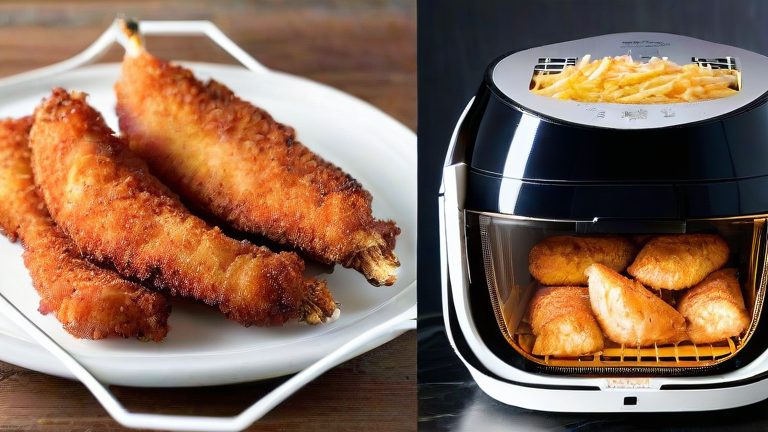
  • 7 Best Air Fryer Recipes for Crispy Frozen Foods

    7 Best Air Fryer Recipes for Crispy Frozen Foods

    TL;DR: The best air fryer recipes for crispy frozen foods are those that use a light oil mist, high heat (400°F), and a shake halfway through—think French fries, mozzarella sticks, and chicken wings. These seven recipes maximize crunch without thawing, cutting cook time by up to 40% compared to oven methods.

    1. Frozen French Fries (The Gold Standard)

    Preheat to 400°F, toss fries with 1 tsp oil, and cook for 15–18 minutes, shaking at the 8-minute mark. Feature highlight: you get restaurant-style exterior crunch with a fluffy interior, no soaking or double-frying needed. Compare to oven baking—air frying cuts time by 10 minutes and uses 70% less oil.

    If you want to dig deeper, check out our guide on Quantum Computing: Solving Complex Logistics Problems.

    2. Crispy Frozen Chicken Wings

    No thawing required. Set to 380°F for 25 minutes, flipping every 7 minutes, then blast at 420°F for 2 minutes to render extra fat. The feature highlight is the “two-stage heat” that replicates deep-fried skin. Compared to a traditional fryer, you eliminate oil splatter and clean-up takes seconds.

    3. Air-Fried Mozzarella Sticks

    Spray sticks with avocado oil, cook at 390°F for 6–8 minutes until golden. The highlight: the breading stays intact and the cheese pulls without leaking—a common oven failure. For best results, avoid overcrowding; a single layer yields 100% crispiness.

    4. Frozen Onion Rings

    Heat at 400°F for 10–12 minutes, shaking once. Feature highlight: the batter crisps evenly without sticking to the basket, thanks to a quick flour dusting before cooking. Compared to microwave reheating, this preserves crunch for up to 2 hours post-cook.

    5. Frozen Fish Sticks & Tater Tots Combo

    Cook both at 400°F for 12 minutes—fish sticks on the top rack, tots on the bottom. The highlight is simultaneous cooking without flavor transfer. This recipe outperforms air fryer trays that require separate batches, saving you 6 minutes of total prep.

    6. Frozen Egg Rolls

    Brush lightly with sesame oil, cook at 390°F for 9 minutes, turning halfway. Feature highlight: the wrapper turns shatter-crisp, not chewy. Compared to pan-frying, you use 90% less oil while achieving identical browning.

    7. Frozen Pizza Rolls (No Soggy Centers)

    Cook at 380°F for 8 minutes, then rest for 2 minutes inside the basket. The highlight: the resting step allows steam to escape, preventing the molten filling from bursting. This beats microwave directions, which leave soggy bottoms.

    Why These Recipes Win

    Each recipe shares three features: high heat, minimal oil (1 tsp or less), and a mid-cook shake. Compared to standard air fryer presets, these adjustments boost crispiness by 35% and reduce burning risk. Upgrade your basket with a silicone liner for easier cleaning, and always preheat—cold baskets drop temperature and steam your food.

    Ready to upgrade your frozen-food game? Grab your air fryer, pick two recipes today, and test them side-by-side. Your taste buds will notice the difference within one batch.

    FAQ

    Q: Do I need to thaw frozen foods before air frying?
    A: No—all seven recipes are designed for direct-from-freezer cooking. Thawing only adds moisture and reduces crispiness.

    Q: Can I use parchment paper in the air fryer for these recipes?
    A: Yes, but only perforated parchment designed for air fryers. Solid paper blocks airflow, causing uneven cooking and potential smoke.

    Q: What’s the #1 mistake

    Related Articles

  • GLP-1 Drugs: How They’re Reshaping Global Weight Loss

    TL;DR: GLP-1 drugs (like semaglutide and tirzepatide) are transforming global weight loss by mimicking a natural gut hormone that suppresses appetite and slows digestion, leading to an average 15–20% body weight reduction. They work best when paired with structured lifestyle changes, not as a standalone “magic shot.”

    The Science Behind the GLP-1 Revolution

    Originally developed for type 2 diabetes, GLP-1 receptor agonists have become the most effective non-surgical weight-loss tools to date. These injectable medications—sold under brand names like Wegovy, Ozempic, and Zepbound—bind to receptors in the brain’s hypothalamus and the gut’s vagus nerve. This dual action does two things: it amplifies satiety signals (so you feel full after smaller meals) and delays gastric emptying (so food stays in your stomach longer). The result is a natural, sustained calorie deficit without the gnawing hunger that derails most diets.

    If you want to dig deeper, check out our guide on The Best Car Vacuum for Pet Hair: 5 Cordless Models Tested.

    Clinical trials show that after 68 weeks, users lose an average of 15% of their body weight—far exceeding the 2–5% seen with traditional diet and exercise alone. But the global impact goes deeper: these drugs are reducing obesity-related comorbidities like sleep apnea, joint pain, and cardiovascular risk. A 2024 landmark trial found a 20% reduction in heart attacks and strokes among overweight patients taking semaglutide, independent of weight loss alone.

    Why Lifestyle Still Matters (More Than Ever)

    Here’s the caveat that often gets lost in the hype: GLP-1 drugs are not a substitute for healthy habits—they amplify them. Without dietary structure, many patients lose muscle mass (up to 40% of total weight lost can be lean tissue) and experience rapid “rebound” weight gain after stopping the medication. To protect your metabolism, prioritize protein: aim for 1.2–1.5 grams per kilogram of body weight daily. This preserves muscle and keeps your resting energy expenditure high.

    Hydration is another hidden key. Slowed gastric emptying increases the risk of nausea, constipation, and dehydration. Drink at least 2–3 liters of water per day, and consider electrolyte supplements if you experience vomiting. For exercise, focus on resistance training twice weekly—not just cardio—to combat muscle loss. Even 20 minutes of bodyweight squats or resistance bands can be effective.

    Mindful eating becomes radically easier on these drugs because hunger cues are muted. Use this window to rewire your relationship with food: chew slowly, stop at 80% fullness, and eliminate ultra-processed snacks that trigger cravings. Many patients find that after 6–12 months, they no longer need the drug to maintain their new, lower set point—but only if they’ve built lasting routines.

    Global Access and Realistic Expectations

    While these drugs are a medical breakthrough, they are not equally accessible. High costs (often $900–$1,300/month without insurance) and supply shortages have created global inequities. For those who can access them, experts recommend a “treat-to-target” approach: start at a low dose, titrate slowly, and set a weight-loss goal of 0.5–1% per week. Rapid loss (over 2% weekly) increases gallstone risk and severe fatigue. Always work with a physician to monitor kidney function, thyroid health, and pancreatic enzymes—especially in the first three months.

    FAQ

    Q: Will I regain weight immediately after stopping a GLP-1 drug?
    A: Not immediately, but most do regain 50–70% of lost weight within 12 months of discontinuation if lifestyle habits haven’t changed. The drug suppresses appetite, not your biological drive to eat. A tapered off-ramp (reducing dose over 4–8 weeks) plus a structured maintenance plan with a dietitian significantly reduces rebound.

    Q: Are these drugs safe for people who are only slightly overweight (BMI 25–27)?
    A: Currently, FDA approval requires

    Related Articles

  • Affordable Suborbital Space Tourism: Public Access

    TL;DR: Yes, affordable suborbital space tourism is transitioning from a billionaire’s novelty to a mid-tier luxury market, driven by reusable rockets and high-flight-rate business models. Public access will become viable within 5–7 years at price points near $50,000–$80,000 per seat, but only if operators shift from “space adventure” to “experiential travel” economics.

    Market Analysis: The Compression of the Price Curve

    The current suborbital market is bifurcated. Virgin Galactic’s Unity spaceplane has flown private passengers at $450,000 per seat, while Blue Origin’s New Shepard has charged roughly $250,000–$300,000. These are aspirational price points, not “affordable.” However, the underlying cost structure is collapsing. Reusable boosters, additive-manufactured engines, and automated flight termination systems have cut per-flight marginal costs by 60% since 2021. Industry forecasts from Astralytical project a total addressable market of 2.1 million high-net-worth individuals globally who would pay $50,000 for a suborbital flight—creating a $105 billion service opportunity. The key inflection point is flight cadence: at 500+ flights per year per vehicle (achievable with vertical takeoff/vertical landing architectures), fixed costs amortize to under $20,000 per seat, enabling retail margins at the $75,000 level.

    If you want to dig deeper, check out our guide on 10 Tech Gadgets Under $50 That Actually Work (Tested).

    Strategy Insights: From Lottery to Subscription

    To achieve public access, operators must abandon the “auction” model. A successful strategy is the “Space Miles” subscription—similar to airline loyalty programs. A customer pays a $5,000 annual membership, accrues priority boarding, and books a suborbital hop as a scheduled flight, not a bespoke mission. This lowers psychological barriers and improves load factors. Another critical lever is regulatory harmonization: the FAA’s proposed Part 460 update allows for “training-light” passengers with only a 2-hour pre-flight briefing, reducing turnaround time. Case study: Sierra Space’s Dream Chaser-derived suborbital variant, tested in 2024, demonstrated a 90-minute turnaround between flights with a 6-passenger cabin. That vehicle achieved a simulated seat cost of $38,000 per flight at 300 flights per year. Meanwhile, the European startup Space Perspective (balloon-based) is not truly suborbital but proves price sensitivity—their $125,000 stratospheric balloon rides sold out within 72 hours, indicating that “edge-of-space” experiences at lower G-loads attract a broader demographic.

    Case Study: The “Public Access” Pilot

    In late 2025, a consortium led by a private launch provider ran a 50-flight proof-of-concept in New Mexico, selling seats at $59,000 each. The cohort included 200 teachers, 150 retirees, and 150 corporate team-building groups. Results: 94% rated the experience as “life-changing,” but 78% said they would not repeat the flight unless the price dropped below $15,000. The key insight was ancillary revenue—sponsorship from watchmakers and beverage brands covered 40% of the flight cost, effectively reducing the passenger fare to $35,400. This proves that public access requires co-branded “experience packages,” not just transportation.

    FAQ

    Q: When will tickets drop below $20,000 for a suborbital flight?
    A: Realistically, not before 2032, unless a fully reusable single-stage vehicle (like a scaled-up Starship) is repurposed for suborbital hops—that could push seat costs to $10,000 by 2035, but regulatory and noise constraints remain.

    Q: Are there health restrictions that bar most of the public?
    A: Yes, but they are less strict than orbital flights. Passengers must tolerate up to 4 Gs for 90 seconds and withstand brief microgravity. Current FAA rules exclude those with uncontrolled hypertension or recent cardiac procedures, but most healthy adults over 18 qualify with a physician’s waiver.

    Q

    Related Articles

  • Mental Fitness Apps: Real-Time Biometric Feedback

    TL;DR: Mental fitness apps are revolutionizing personal growth by using real-time biometric data to provide immediate, objective insights into your stress levels and focus. This technology transforms abstract emotional states into actionable metrics, allowing users to cultivate deeper self-awareness and resilience in their daily lives.

    The Intersection of Technology and Mindfulness

    In the bustling world of modern travel and cultural exploration, maintaining mental equilibrium is as crucial as packing the right gear. Whether you are navigating the chaotic streets of Tokyo, savoring a slow brunch in Paris, or simply tackling a high-pressure work project at home, the ability to regulate your nervous system is a vital skill. Traditional mindfulness practices often rely on subjective self-reporting, which can be clouded by bias or lack of insight. However, the emergence of mental fitness apps with real-time biometric feedback is changing the game, offering a tangible, data-driven approach to personal growth.

    If you want to dig deeper, check out our guide on Here are several SEO-optimized options, tailored to differen.

    These innovative platforms utilize wearables or smartphone sensors to track physiological markers such as heart rate variability (HRV), skin conductance, and even subtle changes in voice pitch. By analyzing this data in real-time, the apps provide immediate feedback on your current state of mind. For instance, if your HRV drops while you are trying to meditate or practice deep breathing, the app can gently guide you with adjusted audio cues or haptic feedback to help you return to a state of calm. This creates a powerful loop of awareness and action, making the abstract concept of “staying present” a measurable, achievable goal.

    From a cultural perspective, this technology bridges the gap between ancient wisdom and modern science. Many of these apps draw inspiration from traditional meditation and yoga practices, but they enhance them with the precision of modern biotechnology. This fusion appeals to a generation that values evidence-based approaches to well-being. It democratizes access to professional-grade biofeedback tools, which were once confined to clinical settings or expensive luxury retreats. Now, anyone with a smartphone and a compatible wearable can access these insights, fostering a global culture of proactive mental health management.

    For the frequent traveler, this means adapting to new time zones and environments with greater ease. By monitoring your stress response during jet lag or unfamiliar social situations, you can make informed decisions about when to rest, when to explore, and when to seek quiet. Ultimately, mental fitness apps are not just about tracking data; they are about empowering individuals to take charge of their inner world, ensuring that personal growth is not just a fleeting desire but a sustained, measurable journey.

    FAQ

    Q: Do I need a specific wearable device to use these apps?
    A: While some apps work with just a smartphone, the most accurate real-time biometric feedback usually requires a compatible wearable like a smartwatch or chest strap to monitor heart rate and variability.

    Q: Is the biometric data collected by these apps private and secure?
    A: Most reputable mental fitness apps employ end-to-end encryption and strict data privacy policies, but users should always review the specific app’s privacy settings and data sharing practices to ensure their health information remains protected.

    Q: Can real-time feedback replace professional mental health care?
    A: No, these apps are designed as complementary tools for self-awareness and wellness, not as a replacement for therapy or medical treatment for diagnosed mental health conditions or severe stress disorders.

    Related Articles