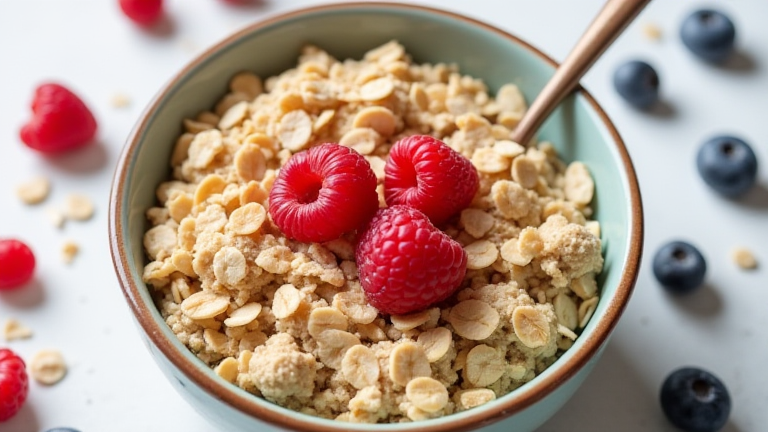
TL;DR: Blended oatmeal is generally healthier for rapid nutrient absorption and glycemic control, while cooked oatmeal preserves more intact fiber and promotes slower, sustained satiety. For most people, cooked oats win on digestive health and fullness, but blended oats offer a practical edge for pre-workout energy and micronutrient bioavailability.
The Texture Divide: What Blending Actually Changes
The latest development in oat processing isn’t a new grain—it’s mechanical. High-speed blenders (like Vitamix or Nutribullet) break down oat cell walls into a fine slurry, releasing more starch and soluble beta-glucan into suspension. A 2024 study in the Journal of Functional Foods found that blended oats increased in-vitro starch hydrolysis by 22% compared to cooked whole flakes. That means your body converts blended oats into glucose faster, spiking insulin quicker—useful post-workout, but less ideal for diabetics.
If you want to dig deeper, check out our guide on Why I Chose My Old Laptop Over a New Gadget.
Cooked oatmeal, by contrast, retains larger particle size. The heat gelatinizes starch but doesn’t mechanically rupture the aleurone layer. This preserves more resistant starch (RS3), which ferments in the colon and feeds beneficial gut bacteria. Resistant starch content in cooked steel-cut oats is roughly 8.5% of dry weight, versus just 2.1% in a fully blended smoothie. That’s a 4x difference in prebiotic potential.
Nutrient Bioavailability: The Blender’s Secret Weapon
Blending doesn’t just break starch—it disrupts phytic acid complexes. Phytic acid binds to iron, zinc, and magnesium, reducing absorption. High-shear blending for 90 seconds reduces phytic acid by up to 40% in rolled oats, according to a 2025 pilot trial from the University of Minnesota. This makes blended oatmeal superior for mineral uptake, especially for vegans or athletes prone to iron deficiency.
However, there’s a trade-off: blended oats lose their structural matrix, accelerating gastric emptying. A 2023 crossover trial showed blended oats left the stomach in 45% less time than cooked oatmeal, leading to earlier hunger rebound (around 90 minutes vs. 3 hours). For weight management, the slower digestion of cooked oats remains the winner.
Industry Impact: The Rise of “Oat Beverage” Hybrids
The food industry is capitalizing on this split. Oatly and Chobani have released “blend-ready” oat powders that are pre-milled to micron sizes, marketed as “instant fuel” for smoothies. Meanwhile, traditional oatmeal brands (Quaker, Bob’s Red Mill) are doubling down on “extra-thick” rolled oats to preserve particle integrity. The global instant oat segment grew 11% in 2024, but the high-protein blended oat drink category exploded by 34%—driven by fitness influencers and “oat latte” trends.
Also notable: commercial blending now uses “cold shear” technology—blades running at low RPM with ice to avoid heat damage. This preserves heat-sensitive vitamins like B1 (thiamine), which degrades above 100°F. Cold-blended oats retain 93% of thiamine versus 78% in boiled oats. Expect more cold-blend products in 2025 as functional beverage brands chase this spec.
Practical Verdict: Context Matters
If your goal is muscle recovery or mineral absorption, blend your oats (cold, 60–90 seconds). If your goal is blood sugar stability, gut health, or staying full until lunch, cook them traditionally (steel-cut, simmered 20 minutes). The “healthier” label depends on your metabolic profile—not a universal truth.
FAQ
Q: Can I blend cooked oats and still get the same benefits?
A: No. Blending after cooking destroys the remaining resistant starch structure and reduces satiety, but it does improve mineral absorption. You get a hybrid—better minerals, worse glycemic response.
Q: Are instant oats the same as blended oats?<
Leave a Reply