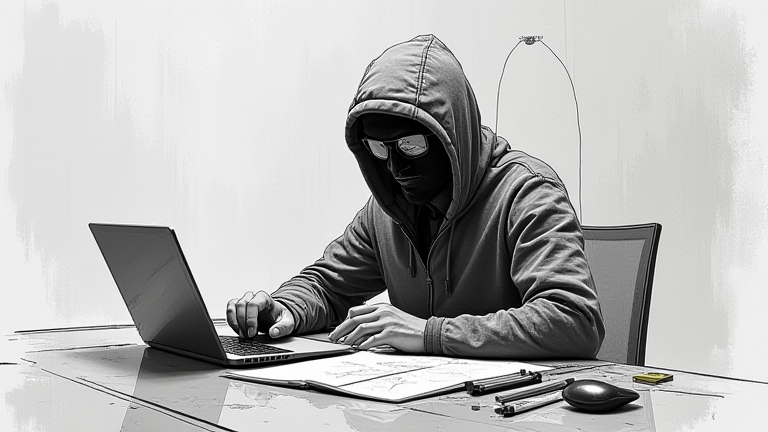
TL;DR: Discord scams exploit social engineering and trust, not just technical vulnerabilities. Identifying red flags like urgency, anonymity, and unsolicited links is the primary defense.
The Digital Trap
Discord has revolutionized how communities interact, offering a space for gamers, creators, and hobbyists to connect in real-time. However, this open connectivity also creates fertile ground for bad actors. I recently encountered a sophisticated scam artist posing as a verified partner, offering exclusive “early access” to a popular game. The interaction felt seamless, which is exactly the point. Scammers on platforms like Discord often mimic legitimate communication styles to lower your guard. Understanding the psychology behind these interactions is crucial for maintaining digital wellness. It is not about paranoia; it is about awareness. The modern digital landscape requires us to be vigilant without becoming anxious. This balance is key to a healthy online presence.
If you want to dig deeper, check out our guide on Why the Rise of Lab-Grown Diamonds Is Reshaping Luxury.
Recognizing the Red Flags
One of the most common red flags is urgency. Scammers often create a false sense of immediacy, pressuring you to act before you can think critically. If someone tells you that an offer expires in five minutes or that your account will be banned immediately unless you click a link, stop. This tactic bypasses your logical processing centers, relying on fear and greed instead. Another major indicator is the use of unofficial links. Discord’s security features are robust, but they only protect you if you stay within the platform. Any request to click a link to verify your account, claim a prize, or solve a problem is a major warning sign. Legitimate companies will never ask for your password or two-factor authentication code via Discord.
Psychological Manipulation Tactics
Scammers are skilled in social engineering. They may build rapport over days or weeks, complimenting your work or sharing inside jokes. This is known as trust building. Once trust is established, they introduce the “ask.” They might claim they need a small favor to test a new feature or to bypass a temporary lockout. This exploits the reciprocity principle in psychology, where we feel obligated to return favors. Recognizing this dynamic is essential. If a conversation suddenly shifts from friendly chat to requests involving personal information or financial transactions, it is time to disengage. Trust your gut feelings. If something feels off, it likely is. Your intuition is a powerful tool in digital self-defense.
Practical Safety Measures
To protect your wellness and security, enable two-factor authentication (2FA) on all accounts. This adds a layer of security that scammers cannot easily bypass. Additionally, never share sensitive information in public channels. Use private messages only with verified individuals you know well. Regularly review your Discord security settings to ensure that your profile is not set to public if you prefer privacy. Educate yourself on common phishing tactics by reading security blogs and following official Discord safety resources. Community moderation also plays a vital role. Report suspicious users immediately. If a server has active administrators, they can ban scammers and warn others. Your actions can protect the entire community.
Maintaining Digital Wellness
Finally, do not let fear dictate your online experience. The goal is not to isolate yourself but to engage safely. Take regular breaks from your screens to reduce stress and maintain perspective. If you feel overwhelmed by online threats, step away and engage in offline activities. Digital wellness is about creating a balanced relationship with technology. By staying informed and vigilant, you can enjoy the benefits of community without falling victim to scams. Remember, you are in control of your digital boundaries. Set them firmly and respect them. This approach ensures that your online interactions contribute positively to your mental health rather than detracting from it.
FAQ
Q: What should I do if I clicked a suspicious link?
A: Immediately change your password, enable two-factor authentication, and run a malware scan on your device. Do not ignore potential breaches.
Q: Can scammers hack my account just by my username?
A: No, usernames alone are not enough. Hackers need your password or exploit a vulnerability. Keep your
Leave a Reply