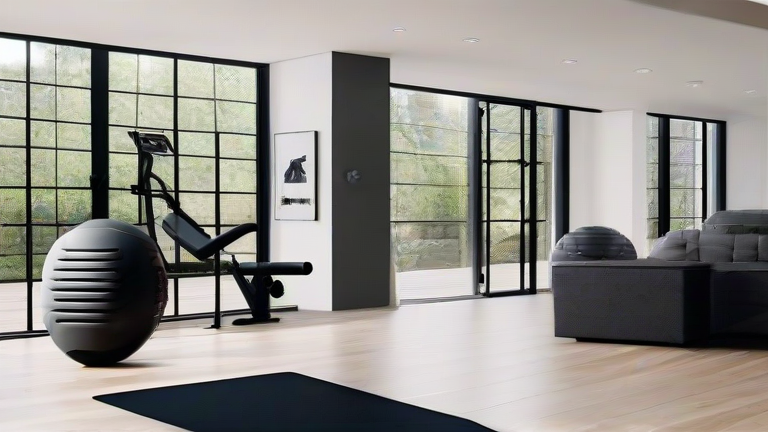
TL;DR: Micro-gyms are replacing traditional fitness facilities by offering personalized, community-driven spaces that prioritize functional movement over aesthetic bulk. This shift reflects a broader cultural trend toward holistic well-being, where fitness is integrated into daily life rather than isolated in a gym.
The Death of the Dungeon
For decades, the standard model for fitness was the massive, echoing “dungeon.” These facilities were filled with rows of identical machines, harsh fluorescent lighting, and a palpable sense of intimidation for newcomers. The culture was often focused on isolation, where members trained in silence, avoiding eye contact, and striving to look like action movie stars. However, a significant pivot is occurring in urban centers worldwide. The modern consumer, particularly in the millennial and Gen Z demographics, is rejecting this sterile, one-size-fits-all approach in favor of intimate, specialized micro-gyms.
If you want to dig deeper, check out our guide on Personalized mRNA Vaccines: New Hope Against Seasonal Respir.
These smaller studios, often ranging from 500 to 2,000 square feet, are redefining what it means to be fit. Instead of focusing solely on hypertrophy or weight loss, they emphasize functional strength, flexibility, and mental resilience. Classes are smaller, ensuring that every participant receives individualized attention from a coach who understands their specific goals and limitations. This environment fosters a sense of belonging and accountability that large commercial gyms simply cannot replicate. The community aspect is crucial; members form connections, share struggles, and celebrate small victories together, turning a solitary chore into a social ritual.
Culture and Personal Growth
This shift is not just about exercise; it is a reflection of changing lifestyle values. In an era of remote work and digital fatigue, people are seeking authentic human interaction and tangible results. Micro-gyms often incorporate elements of mindfulness and nutrition education, promoting a holistic view of health. The interior design of these spaces is curated to feel like a boutique hotel or a high-end café, removing the “gym” stigma and making physical activity feel like a premium lifestyle choice rather than a penance.
From a personal growth perspective, the micro-gym model encourages self-awareness. Coaches help clients understand their bodies, reduce injury risks, and build sustainable habits that last a lifetime. The focus on functional fitness means clients can perform better in their daily lives, from carrying groceries to playing with their children. This practical application of fitness resonates deeply with a generation that values utility and experience over status symbols. As the trend continues, we can expect these specialized studios to become the new cornerstone of urban health, bridging the gap between physical training and social well-being.
FAQ
Q: Are micro-gyms more expensive than traditional gyms?
A: Yes, the monthly cost is typically higher due to the personalized coaching and premium amenities, but it is often comparable to the cost of multiple group fitness classes at a large gym.
Q: Can beginners join micro-gyms if they have never worked out?
A: Absolutely. Many micro-gyms specialize in beginner-friendly programs that focus on form and confidence, removing the intimidation factor associated with large commercial facilities.
Q: Do micro-gyms offer the same equipment as big box gyms?
A: While they may not have every single machine, they curate high-quality, versatile equipment like kettlebells, resistance bands, and functional rigs that cover most training needs more effectively.
Leave a Reply