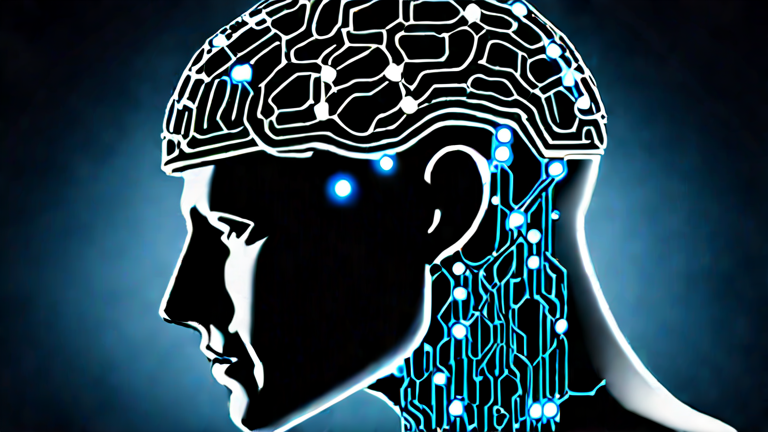
Neuralink: How Brain-Computer Interfaces Are Redefining Control
TL;DR: Neuralink is redefining control by enabling direct, high-bandwidth communication between the human brain and digital devices, bypassing traditional physical interfaces. This technology is transitioning from experimental medical treatment to a viable platform for augmenting human cognition and restoring motor function in patients with severe paralysis.
The landscape of human-computer interaction is undergoing a seismic shift, driven largely by the aggressive expansion of Neuralink, Inc. Founded by Elon Musk in 2016, the company has accelerated the timeline for practical Brain-Computer Interface (BCI) deployment. According to recent industry reports, the global BCI market was valued at approximately $1.8 billion in 2023 and is projected to grow at a Compound Annual Growth Rate (CAGR) of over 15% through 2030. This growth is not merely speculative; it is being fueled by tangible clinical trials and regulatory milestones that have moved BCIs out of the laboratory and into the realm of real-world application.
If you want to dig deeper, check out our guide on Moderna & Merck: How Century-Old Cancer Vaccine Failures Led.
The Medical Breakthrough and Market Dynamics
The initial focus of Neuralink and its competitors, such as Synchron and Precision Neuroscience, has been on therapeutic applications. The primary driver for this sector is the unmet need for patients with spinal cord injuries, amyotrophic lateral sclerosis (ALS), and stroke who have lost the ability to control limbs or speak. Neuralink’s first human recipient, Noland Arbaugh, demonstrated the ability to control a cursor and play chess using only his thoughts. This milestone validated the feasibility of high-channel-count implants, which allow for more granular control compared to older, low-bandwidth BCI systems.
Market data indicates that the medical segment will dominate the BCI industry in the near term. However, the long-term revenue potential lies in consumer and industrial applications. Experts suggest that once safety and longevity are proven in clinical settings, the technology can be adapted for non-invasive or minimally invasive consumer devices. These could range from enhanced virtual reality experiences to direct neural control of robotic prosthetics. The competitive landscape is intensifying, with venture capital pouring into startups that aim to offer less invasive alternatives to Neuralink’s surgical approach. This competition is driving down costs and accelerating innovation in electrode materials and signal processing algorithms.
Expert Insights and Ethical Considerations
Industry analysts highlight that the true challenge for Neuralink is not just technological, but regulatory and ethical. Dr. Elena Ross, a leading neuroscientist at MIT, notes that “The barrier to entry is no longer signal acquisition; it is data security and neural privacy.” As BCIs begin to interpret and potentially influence neural activity, the concept of cognitive liberty becomes critical. There are profound questions regarding who owns the data generated by a BCI and how it can be protected from hacking or misuse. Regulatory bodies like the FDA are closely scrutinizing these devices, requiring rigorous long-term safety data that only time can provide.
Furthermore, the integration of AI with BCI data is a crucial trend. Machine learning algorithms are being used to decode complex neural patterns in real-time, improving the accuracy and speed of control. This symbiosis between AI and neurotech is what will define the next decade of BCI development. Companies are investing heavily in developing robust, self-healing electrodes that can remain functional for decades, addressing the primary concern of patient burden related to repeated surgeries.
Future Predictions and the Road Ahead
Looking ahead, the BCI market is expected to see a bifurcation into therapeutic and augmentative tiers. By 2030, it is predicted that minimally invasive BCIs will be available for patients with specific neurological disorders, significantly improving quality of life. In the longer term, fully integrated human-machine interfaces could allow for direct cloud access, where users upload information directly to their brains or control multiple devices simultaneously. However, this vision remains distant and fraught with societal implications regarding inequality and enhancement.
The trajectory set by Neuralink has moved BCI from a fringe scientific curiosity to a serious industrial sector. While the technology is still in its infancy, the pace of innovation suggests that brain-com
Leave a Reply