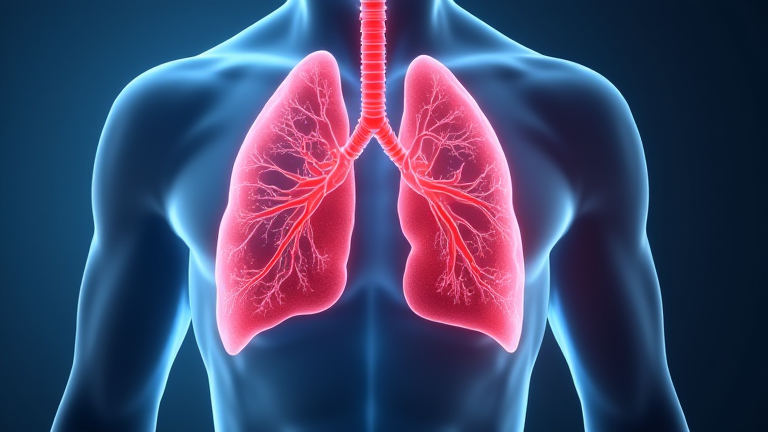
TL;DR: A new pancreatic cancer drug, targeting the KRAS G12C mutation, has demonstrated significant efficacy in treating lung cancer in clinical trials. This finding highlights the potential for repurposing existing therapies to treat multiple disease types, offering hope for patients with advanced non-small cell lung cancer.
The Science Behind the Breakthrough
Researchers have long sought to identify effective treatments for KRAS-mutated cancers, a subset of tumors that have historically been considered undruggable. The development of sotorasib, originally designed for pancreatic ductal adenocarcinoma, has opened new avenues for oncology. Recent phase I and II clinical trials have shown that this drug can significantly shrink tumors in patients with advanced non-small cell lung cancer (NSCLC) who harbor specific KRAS G12C mutations. This cross-cancer efficacy is a testament to the shared molecular pathways that drive different types of malignancies. By inhibiting the mutated protein, the drug effectively halts the uncontrolled cell growth that characterizes cancer progression. While these results are promising, they are part of a broader strategy to personalize medicine based on genomic profiling rather than just the anatomical location of the tumor.
If you want to dig deeper, check out our guide on SEO Tutorial: Step-by-Step Guide to Rank #1 on Google.
Supporting Your Health During Treatment
While medical advancements provide powerful tools for fighting cancer, lifestyle modifications play a crucial role in supporting the body’s resilience and overall well-being. Patients undergoing treatment for lung or pancreatic cancer should prioritize a nutrient-dense diet rich in antioxidants. Incorporating a variety of colorful fruits and vegetables can help combat oxidative stress and support immune function. It is essential to stay hydrated, as dehydration can exacerbate side effects such as fatigue and nausea. Consulting with a registered dietitian can help tailor a meal plan that addresses specific nutritional needs and manages potential interactions with medications.
Physical activity, even in mild forms, is another pillar of wellness during treatment. Short, regular walks can improve cardiovascular health, boost mood, and reduce feelings of fatigue. However, it is critical to listen to your body and avoid overexertion. Gentle yoga or stretching exercises may also help alleviate muscle tension and improve flexibility without placing undue stress on the system. Rest is equally important; establishing a consistent sleep routine can aid in cellular repair and cognitive recovery. Patients should aim for seven to nine hours of quality sleep per night, creating a dark, quiet environment to facilitate restorative rest.
FAQ
Q: Is this new drug available for all lung cancer patients?
A: No, it is currently only effective for patients whose tumors test positive for the specific KRAS G12C mutation. Genetic testing is required to determine eligibility.
Q: Can lifestyle changes replace medication?
A: No, lifestyle modifications support overall health and may improve quality of life, but they cannot replace prescribed medical treatments or chemotherapy regimens.
Q: How soon can we expect this drug to be widely approved?
A: Regulatory approval depends on the completion of larger phase III clinical trials and safety reviews by agencies like the FDA, which may take several years.
Leave a Reply