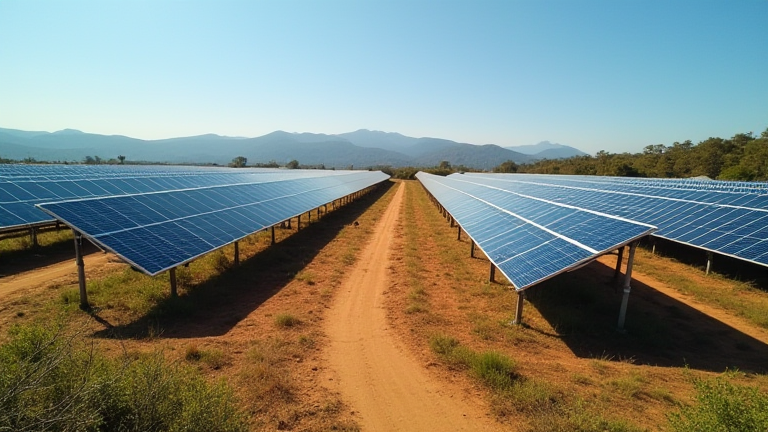
TL;DR: Solar microgrids combine photovoltaic generation with advanced battery storage to provide reliable, off-grid power to remote communities. This solution offers a cost-effective, resilient alternative to diesel generators, significantly reducing operational costs and carbon footprints while ensuring energy security.
Market Analysis
The global market for solar microgrids is experiencing exponential growth, driven by the urgent need for energy access in underserved regions and the declining cost of renewable technologies. According to recent industry reports, the market is projected to grow at a compound annual growth rate of over 15% through 2030. This expansion is fueled by increasing government subsidies, international development aid, and private sector investment in sustainable infrastructure. Remote communities, often located in rural areas of developing nations, face high electricity costs due to the logistical challenges of extending traditional grid infrastructure. Solar microgrids address this gap by creating localized energy systems that are independent, scalable, and efficient. The integration of energy storage technologies, such as lithium-ion batteries, allows these systems to store excess solar energy generated during the day for use at night, ensuring a consistent power supply regardless of weather conditions. This reliability is crucial for powering essential services like healthcare clinics, schools, and water pumping stations, thereby improving quality of life and economic productivity. Furthermore, the environmental benefits of replacing diesel generators with clean solar power align with global sustainability goals, attracting green-focused investors and institutions.
If you want to dig deeper, check out our guide on Vacuum Sealing: How I Make Food Last Much Longer.
Strategy Insights
Successful deployment of solar microgrids requires a strategic approach that balances technical feasibility with community engagement and financial viability. First, stakeholders must conduct thorough resource assessments to determine optimal site locations and system sizing. This involves analyzing local solar irradiance data, load profiles, and existing infrastructure. Second, community involvement is critical for long-term success. Engaging local residents in the planning and maintenance phases fosters ownership and ensures the system meets their specific needs. Training local technicians to operate and maintain the microgrid reduces dependency on external support and creates local employment opportunities. Third, innovative financing models are essential to overcome initial capital barriers. Pay-as-you-go (PAYG) models, where users pay small, regular fees for electricity, have proven effective in emerging markets. These models spread the cost of installation over time, making the technology accessible to low-income households. Additionally, partnerships with development banks and impact investors can provide the necessary capital for large-scale deployments. Finally, technology selection should prioritize durability and ease of maintenance. Modular systems that allow for easy expansion or repair are preferred, as they can adapt to changing community needs and technological advancements.
Case Studies
In Kenya, M-KOPA has successfully deployed solar home systems and microgrids in rural areas, leveraging mobile money platforms for payment collection. This model has provided reliable electricity to thousands of households, enabling them to power lights, charge phones, and run small businesses. The company’s approach demonstrates the viability of combining renewable energy with digital financial services. Another notable case is the solar microgrid in Bhutan, where the government partnered with international organizations to electrify remote villages. The system includes a battery bank that stores energy for use during cloudy days, ensuring uninterrupted power supply. This project has improved access to healthcare and education, leading to measurable socio-economic benefits. In the United States, the Navajo Nation has implemented solar microgrids to reduce reliance on expensive diesel fuel. These systems provide stable power to homes and community centers, enhancing energy security and reducing environmental impact. These examples illustrate that solar microgrids are not just a technical solution but a catalyst for social and economic development. By addressing energy poverty, these projects empower communities to thrive in an increasingly interconnected world. As technology continues to advance and costs decrease, solar microgrids are set to play a pivotal role in the global energy transition, providing a sustainable and equitable path to energy access for all.
FAQ
Q: What is the average lifespan of a solar microgrid battery?
A: Modern lithium-ion batteries typically last between ten and fifteen years, depending on usage patterns and maintenance quality.
Q: How much does it cost to install a solar microgrid?
A: Costs vary widely based on scale and location, but small community systems can range
Leave a Reply