Travel Young Now: Why You Should Pack Your Bags Today
TL;DR: Traveling while young maximizes your physical resilience, financial flexibility, and adaptability to new cultures. Packing your bags today ensures you gain these transformative experiences before responsibilities and constraints limit your freedom.
Embarking on a journey in your youth is not merely a vacation; it is a critical investment in your personal growth and future career. Your twenties and early thirties offer a unique window of opportunity where the world feels more accessible and your body is primed for adventure. This guide provides a structured approach to planning and executing your first major trip, ensuring you make the most of this fleeting time.
If you want to dig deeper, check out our guide on Best Vacuum Bags That Stay Sealed: Long-Term Pick.
Step 1: Define Your Itinerary and Budget
Before booking anything, determine your primary goal. Are you seeking cultural immersion, physical adventure, or relaxation? Allocate a realistic budget that covers flights, accommodation, food, and a contingency fund. Use budget-friendly travel apps to identify peak seasons and secure early-bird discounts. Remember, flexibility in dates often leads to significant savings, so avoid rigid scheduling.
Step 2: Secure Essential Documentation
Check the validity of your passport immediately. Many countries require six months of validity beyond your travel dates. Research visa requirements for your destination and apply well in advance, as processing times can be unpredictable. Additionally, purchase comprehensive travel insurance that covers medical emergencies, trip cancellations, and lost luggage. Do not skip this step, as it provides peace of mind and protects you from unforeseen financial burdens.
Step 3: Pack Strategically and Lightly
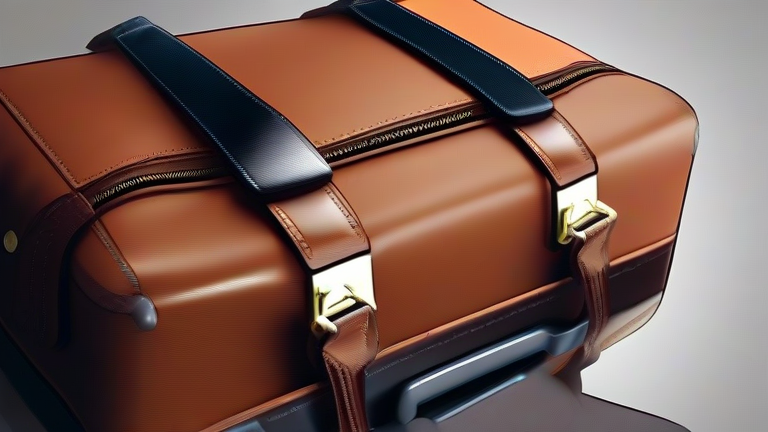
The key to youthful travel is mobility. Pack only what you need for a week, assuming you will do laundry or buy souvenirs. Use a carry-on bag to avoid checked baggage fees and lost luggage risks. Include versatile clothing items that can be layered, comfortable walking shoes, and a universal power adapter. Digital copies of important documents should be stored in the cloud for easy access if physical items are lost.
Step 4: Connect with Local Communities
Immerse yourself in local life rather than sticking to tourist traps. Use language exchange apps to find local hosts or friends. Visit local markets, eat at street food stalls, and take public transportation to interact with residents. These authentic interactions provide deeper insights and often lead to unexpected friendships and opportunities that guidebooks cannot offer.
Step 5: Stay Safe and Healthy
Research safety guidelines for your destination and register with your country’s embassy. Keep your accommodation address and emergency contacts written down in a physical notebook. Stay hydrated, get sufficient sleep, and be mindful of your surroundings. Trust your instincts, and if a situation feels uncomfortable, leave it immediately. Your safety is the foundation of a successful trip.
FAQ
Q: How much money do I need to start traveling?
A: You do not need a fortune; start with a modest budget for short regional trips or backpacking, focusing on hostels and local food to minimize costs.
Q: Is it too late to start traveling after age thirty?
A: It is never too late, but starting younger allows for greater physical endurance and fewer professional or family obligations that can complicate long-term travel plans.
Q: What is the best way to stay safe as a solo young traveler?
A: Share your itinerary with trusted contacts, stay in well-reviewed accommodations, keep valuables hidden, and maintain awareness of your surroundings at all times.
Leave a Reply