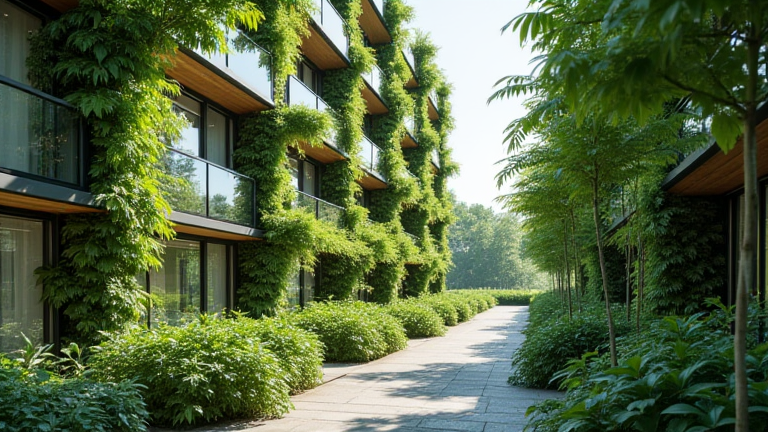
Urban Vertical Farming: Integrating Green Hubs Into Office Buildings
TL;DR: Vertical farming is rapidly transforming office buildings into self-sustaining ecosystems by integrating indoor agriculture with commercial spaces. This trend reduces supply chain emissions and enhances corporate wellness, positioning green hubs as a critical component of modern real estate strategy.
The global vertical farming market is experiencing unprecedented growth, valued at approximately $1.2 billion in 2023 with a projected compound annual growth rate of 35% through 2030. This surge is driven not only by food security concerns but also by a strategic shift in commercial real estate. Developers are increasingly recognizing that integrating vertical farms into office towers creates a unique value proposition that attracts tech-forward tenants and sustainability-focused corporations. By embedding these “green hubs” within existing infrastructure, companies can offer fresh, local produce while simultaneously reducing the carbon footprint associated with traditional food transport.
If you want to dig deeper, check out our guide on Why Gen Z Is Abandoning Fast Fashion for Thrifted Vintage.
Expert insights reveal that the synergy between office environments and agricultural technology is more than a marketing gimmick; it is an operational necessity for the future of urban living. Dr. Elena Ross, a leading architect specializing in biophilic design, notes, “The integration of vertical farms into office buildings serves a dual purpose: it mitigates the urban heat island effect and provides a psychological boost to employees. The visual presence of growing plants reduces stress and increases productivity, creating a healthier work environment.” Furthermore, the energy systems powering these farms often utilize waste heat from building HVAC systems, creating a closed-loop efficiency model that significantly lowers overall operational costs for building managers.
Looking ahead, future predictions suggest that by 2030, over 40% of new commercial high-rises in major metropolitan areas will include dedicated vertical farming zones. This expansion will be fueled by advancements in LED lighting efficiency and AI-driven climate control systems, which are making indoor agriculture more viable and cost-effective. Major corporations are already piloting these concepts, with early adopters reporting a 20% decrease in employee absenteeism and a significant improvement in brand perception among environmentally conscious consumers. As regulatory bodies increasingly mandate sustainability standards for commercial buildings, vertical farming will transition from a luxury feature to a baseline requirement for competitive real estate.
The integration of these systems also fosters community engagement and education, offering interactive spaces where employees can learn about sustainable practices. This educational aspect strengthens corporate social responsibility initiatives, allowing companies to demonstrate tangible commitment to environmental stewardship. As technology continues to mature, the cost per unit of produce will decrease, making fresh, locally grown food accessible to a broader demographic within urban centers. Ultimately, the convergence of architecture, agriculture, and technology is redefining the urban skyline, turning sterile office blocks into vibrant, living green hubs that support both human well-being and ecological balance.
FAQ
Q: What is the primary environmental benefit of vertical farming in offices?
A: It significantly reduces food transport emissions and water usage compared to traditional agriculture.
Q: How do these systems affect building energy consumption?
A: They often utilize waste heat from HVAC systems, improving overall energy efficiency and reducing cooling costs.
Q: Is vertical farming cost-effective for small office buildings?
A: While initial setup is high, long-term savings on utilities and produce, along with increased tenant appeal, can offset costs over time.
Leave a Reply