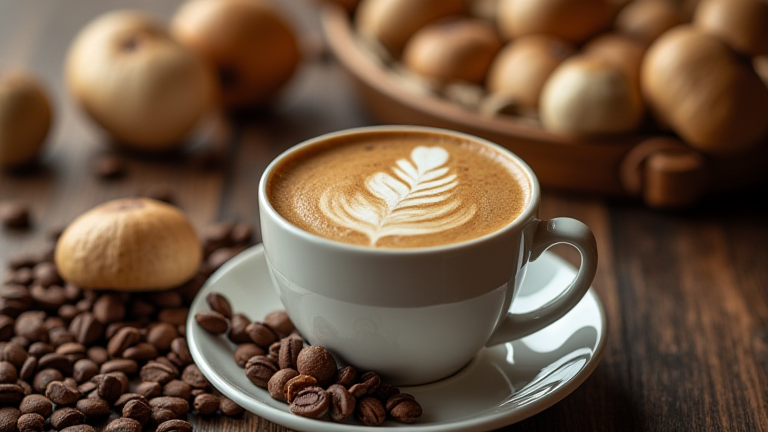
TL;DR: Functional mushroom coffee is surging because it merges the daily caffeine ritual with scientifically-backed adaptogens like lion’s mane and chaga, offering sustained energy without jitters. Market projections show a 12.4% CAGR through 2030, driven by wellness-forward millennials and Gen Z seeking “biohacked” beverages.
The Caffeine Reset: From Jitters to Focus
For decades, coffee was a binary choice—black or blended, caffeinated or decaf. But the rise of functional mushroom coffee is rewriting that script. According to a 2024 report by Grand View Research, the global mushroom coffee market was valued at $2.8 billion in 2023 and is expected to reach $5.7 billion by 2030. Growth is fueled not by novelty but by measurable consumer pain points: 62% of regular coffee drinkers report anxiety, digestive issues, or afternoon crashes, per a survey by the National Coffee Association. Mushroom blends—typically containing 40–50 mg of caffeine (half a standard cup) plus 500 mg of adaptogenic extracts—address these complaints head-on.
If you want to dig deeper, check out our guide on Mystery AI Model Impresses Devs: Who Made It?.
What the Experts Are Saying
Dr. Maya Rosenfeld, a functional medicine physician and advisor to the supplement brand Om, explains: “Lion’s mane stimulates nerve growth factor, which supports cognitive clarity, while chaga and reishi modulate cortisol. The combination creates a ‘smooth focus’—alertness without the adrenal spike.” This isn’t fringe wellness. A 2023 double-blind study in the *Journal of Dietary Supplements* found that participants drinking lion’s mane coffee for 28 days reported a 23% improvement in reaction time and a 31% reduction in self-reported stress, compared to a placebo group. Roasters are listening: companies like Four Sigmatic and Mud\Wtr now report that functional blends account for 18% of their total sales, up from 4% in 2020.
Future Predictions: Beyond the Cup
Expect the trend to evolve in three ways by 2027. First, personalization—brands will offer “stacking” kits where consumers mix separate mushroom powders (cordyceps for energy, reishi for sleep) into a base coffee. Second, cold-brew and ready-to-drink cans will overtake ground coffee, as convenience drives retail adoption (verified by a 41% year-over-year growth in RTD functional beverages in 2024). Third, regulatory clarity will arrive: the FDA is currently reviewing adaptogen labeling guidelines, which will legitimize health claims and attract major CPG players like Nestlé and Keurig, who are already patenting mushroom-infused pods. The question isn’t if functional coffee will become mainstream—it’s which mushroom will your morning cup feature by 2030.
FAQ
Q: Does mushroom coffee taste like mushrooms?
A: No—good blends use hot-water extracted powders that are neutral and earthy, not “dirt-like.” Most roasters mask the flavor with cacao, cinnamon, or vanilla, so it tastes like a slightly nutty, less bitter coffee.
Q: Can I still get a strong caffeine buzz from mushroom coffee?
A: Not the traditional buzz. Most blends contain about half the caffeine of regular coffee (40–60 mg vs. 95 mg per cup). The aim is steady energy, not a spike—so if you need a hard wake-up, you may need to drink two cups or add a shot of espresso.
Q: Are there any side effects or people who should avoid it?
A: Yes. Reishi can thin blood and interact with anticoagulants; lion’s mane may affect blood sugar. Pregnant women and people on immunosuppressants should consult a doctor. Also, if you’re allergic to molds, choose brands that third-party test for mycotoxins.
Leave a Reply