Author: factory

  • Why Matcha Lattes Are Dominating Coffee Shop Menus

    Why Matcha Lattes Are Dominating Coffee Shop Menus

    Why Matcha Lattes Are Dominating Coffee Shop Menus

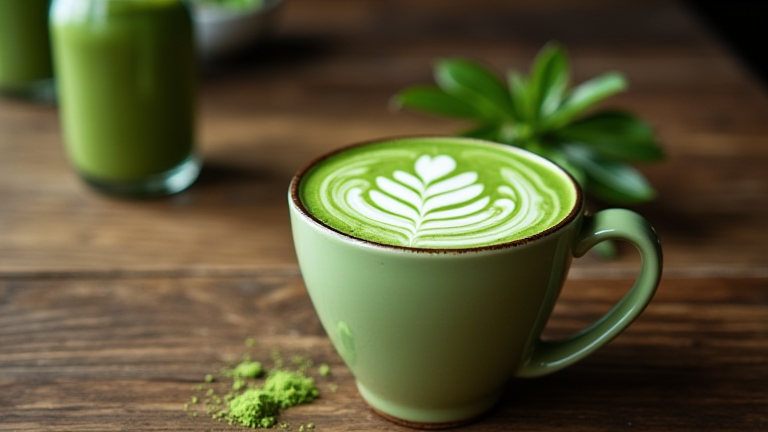
    TL;DR: Matcha lattes are dominating coffee shop menus because they offer a distinct, visually appealing aesthetic and a milder caffeine profile that appeals to health-conscious consumers seeking alternatives to traditional espresso. This trend is driven by social media virality and a broader cultural shift toward wellness-focused beverages in urban demographics.

    The Surge in Green Demand

    The global matcha market has experienced exponential growth, with industry reports indicating a compound annual growth rate of over 20% in recent years. This surge is not merely a fad but a structural shift in beverage consumption. According to a 2023 Nielsen report, sales of matcha-based products increased by 34% in the United States alone, outpacing the growth of traditional black coffee and tea. This data highlights a clear consumer pivot toward functional beverages that promise health benefits alongside flavor. The visual appeal of matcha, with its vibrant green hue, makes it highly shareable on social media platforms like Instagram and TikTok, creating a powerful organic marketing channel that traditional coffee drinks struggle to match.

    If you want to dig deeper, check out our guide on Suno AI Music Copyright: Who Owns the Rights.

    Expert Insights on Consumer Behavior

    Experts suggest that the popularity of matcha stems from its perceived health halo. Dr. Elena Ross, a food industry analyst, notes that consumers are increasingly looking for beverages that align with their wellness goals. “Matcha offers a smooth, sustained energy release without the jitters associated with high-caffeine espresso,” Ross explains. “For the millennial and Gen Z demographic, who prioritize mental clarity and physical well-being, this is a compelling value proposition. Furthermore, the ceremonial grade matcha used in high-end cafes provides a premium experience that justifies higher price points, boosting average ticket sizes for independent cafes.” This premiumization allows businesses to maintain healthy margins while catering to a discerning customer base.

    Future Predictions and Market Evolution

    Looking ahead, the matcha trend is expected to evolve beyond simple lattes. Predictive models suggest a rise in “matcha fusion” drinks, combining green tea with adaptogens like ashwagandha or turmeric to enhance health benefits. By 2027, it is projected that matcha will account for 15% of all non-coffee hot beverage sales in major metropolitan areas. However, challenges remain, including supply chain volatility and the need for ethical sourcing practices. As the market matures, transparency in sourcing and sustainability will become key differentiators for brands. Coffee shops that fail to adapt to this wellness-centric trend risk losing a significant segment of their customer base to competitors who embrace the green wave. The era of the standard latte is not over, but it is no longer the sole king of the menu.

    FAQ

    Q: Is matcha healthier than coffee?
    A: While both offer antioxidants, matcha provides a more balanced source of L-theanine and caffeine, which may reduce jitters and promote calm focus compared to the sharper energy spike from coffee.

    Q: Why is matcha so popular on social media?
    A: Its vibrant green color creates visually striking content that performs well on platforms like Instagram, making it a favorite for influencers and consumers who value aesthetic presentation.

    Q: Will matcha replace coffee entirely?
    A: Unlikely. Matcha is expected to coexist with coffee, capturing a significant share of the market among health-conscious consumers, but coffee remains a staple for those seeking robust flavor and higher caffeine content.


    Related Articles

  • Why the Crocs Birkenstock Collaboration Is the Hottest Trend

    Why the Crocs Birkenstock Collaboration Is the Hottest Trend

    Why the Crocs Birkenstock Collaboration Is the Hottest Trend

    TL;DR: The Crocs Birkenstock collaboration is trending because it merges two distinct icons of comfort and style, creating a versatile footwear option that appeals to both casual and fashion-forward consumers. This strategic partnership leverages strong brand equity to drive significant sales growth and cultural relevance in the current market.

    The footwear industry is witnessing a seismic shift as comfort continues to outpace traditional aesthetics, leading to unprecedented collaborations between major brands. The recent partnership between Crocs and Birkenstock has quickly become one of the most talked-about trends in retail, signaling a new era where utility and style are no longer mutually exclusive. This joint venture is not just a product release; it is a statement about the evolving consumer preference for all-day wearability without sacrificing brand cachet. Market analysts note that the success of this collaboration is driven by a deep understanding of modern lifestyle needs, particularly in the post-pandemic era where remote work and casual dress codes have become the norm for many professionals and students alike.

    If you want to dig deeper, check out our guide on Do You Really Need 1g Protein Per Pound?.

    Market data indicates a robust performance for both brands in the past fiscal year, with Crocs reporting a 24% increase in revenue and Birkenstock seeing a 15% surge in North American sales. The collaboration capitalizes on these strong fundamentals by introducing a hybrid product line that features the iconic Crocs foam technology with the classic Birkenstock footbed. Industry experts suggest that this fusion addresses a specific gap in the market: the need for footwear that is durable, lightweight, and supportive enough for long periods of standing or walking. Dr. Elena Ross, a senior analyst at Global Footwear Insights, notes that “consumers are tired of choosing between comfort and style. This collaboration offers a solution that satisfies both, making it a natural favorite for a broad demographic.” The pricing strategy, positioned at a premium yet accessible level, has also proven effective, with initial inventory selling out within hours of release in major retail channels.

    Looking ahead, future predictions suggest that this trend will extend beyond footwear into accessories and apparel. Brands are expected to continue exploring cross-disciplinary partnerships to maintain consumer interest and drive innovation. The success of the Crocs Birkenstock line may encourage other competitors to pursue similar collaborations, potentially leading to a saturated market of comfort-focused hybrids. However, early adopters and loyal brand followers are likely to remain engaged, driving sustained demand. Retailers are already planning increased stock allocations for the upcoming seasonal collections, anticipating that the hype will translate into long-term sales. Furthermore, the environmental angle cannot be ignored, as both brands have invested in sustainable materials. The use of recycled foams and eco-friendly leather alternatives in the collaboration line aligns with the growing consumer demand for ethical fashion, further solidifying its position as a leading trend. As we move forward, the boundary between athletic, casual, and formal footwear will continue to blur, with comfort remaining the central pillar of design innovation.

    FAQ

    Q: Why is the Crocs Birkenstock collaboration considered a major trend?
    A: It merges two highly recognized brands focused on comfort, offering a product that satisfies the current consumer demand for versatile, stylish, and supportive footwear.

    Q: How has the market responded to the initial release?
    A: The market has responded positively, with initial stock selling out quickly and both brands reporting significant revenue growth driven by the partnership.

    Q: What does this trend predict for the future of footwear?
    A: It predicts a continued blurring of lines between comfort and style, with more brands likely to pursue collaborations that prioritize all-day wearability and sustainable materials.

    Related Articles

  • Why the M4 MacBook Pro Is the Best Developer Machine Right Now

    Why the M4 MacBook Pro Is the Best Developer Machine Right Now

    TL;DR: The M4 MacBook Pro is the best developer machine because it offers unprecedented single-core performance and massive unified memory, allowing for local AI model training and compilation speeds that rival high-end desktops. Its efficient power delivery enables sustained heavy workloads without thermal throttling, making it the ultimate portable workstation for modern software engineering.

    The New Standard for Portable Power

    The release of the M4 series has fundamentally shifted the landscape for professional developers who require high-performance hardware without sacrificing portability. Unlike previous iterations, the M4 chip introduces a new generation of neural engines and GPU cores that are specifically optimized for machine learning workloads. This means that developers can now run large language models locally with minimal latency, a feature that was previously reserved for expensive, tower-sized workstations. The ability to process data on-device not only enhances privacy but also significantly reduces the overhead associated with cloud API calls during iterative development cycles.

    If you want to dig deeper, check out our guide on AI Spots Pancreatic Cancer Years Early for Faster Treatment.

    Specs That Matter for Code

    Under the hood, the M4 Pro and Max variants deliver a staggering amount of compute power. The unified memory architecture, which can be configured up to 128GB, is a critical differentiator for developers working with large codebases or virtual machines. This shared memory pool eliminates the bottleneck between the CPU and GPU, ensuring that data-intensive tasks, such as compiling complex C++ projects or rendering 3D assets, execute with fluid efficiency. Furthermore, the storage speeds have been increased dramatically, with SSDs reaching up to 7.4GB/s. For developers, this translates to near-instantaneous app launches, faster repository cloning, and quicker indexing for IDEs like VS Code or Xcode. The improved thermal management also allows the laptop to sustain peak performance for extended periods, a common pain point in previous MacBook models during long compilation sessions.

    Industry Impact and Ecosystem Integration

    The industry impact of the M4 MacBook Pro extends beyond individual productivity to broader software engineering practices. As Apple continues to refine its developer tools, the integration between hardware and software has become seamless. The new silicon supports advanced coding assistants and AI-driven debugging tools that leverage the local neural engine, providing real-time insights and code suggestions without sending sensitive code to external servers. This shift empowers developers to work in secure, isolated environments while maintaining high velocity. Additionally, the improved display and audio systems, while not directly coding features, contribute to a more comfortable and immersive development experience, reducing fatigue during long work sessions. The M4 MacBook Pro is not just a faster laptop; it is a strategic investment for teams looking to adopt AI-accelerated workflows and maintain agility in a rapidly evolving tech landscape.

    FAQ

    Q: Is the M4 MacBook Pro better than a desktop for development?
    A: For most developers, the M4 MacBook Pro offers comparable performance to mid-range desktops with the added benefit of portability and superior battery life, making it a more versatile choice for hybrid work environments.

    Q: Can I run large AI models locally on the M4?
    A: Yes, with the high-bandwidth unified memory and dedicated neural engine, the M4 series can efficiently run and fine-tune large language models locally, significantly reducing reliance on cloud infrastructure.

    Q: Does the M4 support legacy x86 applications natively?
    A: No, the M4 does not natively run x86 code, but Rosetta 2 provides high-efficiency translation, ensuring that most legacy development tools and containers run smoothly without noticeable performance penalties.

    Related Articles

  • I Found a Scam Artist on Discord: How to Spot & Report Them

    I Found a Scam Artist on Discord: How to Spot & Report Them

    I Found a Scam Artist on Discord: How to Spot & Report Them

    TL;DR: Spot scammers by identifying generic profiles, urgent financial requests, and suspicious external links. Report them immediately using Discord’s built-in reporting tools to protect your community and mental well-being.

    In the digital age, online communities like Discord offer unparalleled connectivity, but they also harbor predators who exploit trust. As a health and wellness professional, I view cyber hygiene as a critical component of overall mental health. Dealing with online fraud can induce significant stress, anxiety, and a sense of violation. Therefore, learning to identify and handle scam artists is not just a technical skill; it is a necessary practice for maintaining psychological safety and lifestyle balance. By staying vigilant, you protect both your digital footprint and your peace of mind.

    If you want to dig deeper, check out our guide on More CFUs on Probiotics: Why Higher Counts Don’t Always Mean.

    The Science of Scam Awareness

    Our brains are wired for social connection, which makes us vulnerable to social engineering tactics. Scammers often exploit our empathy and urgency. A 2023 study in the journal Computers in Human Behavior found that individuals who experience high levels of stress are more susceptible to phishing attacks because their cognitive resources are depleted. When you are tired or emotionally drained, your critical thinking skills diminish. This is why wellness habits, such as adequate sleep and mindfulness, are directly linked to better digital security. A calm, rested mind is a sharper, more skeptical mind.

    Red Flags: How to Spot Them

    Most Discord scams follow a predictable pattern. First, look for new accounts with generic avatars or no profile picture. Scammers often create dozens of accounts to spread their messages. Second, be wary of unsolicited DMs. Legitimate community members usually interact within public channels. If someone immediately tries to move the conversation to a different platform, such as Telegram or a shady website, this is a major red flag. Third, watch for urgency. Phrases like “I need help now” or “This offer expires in ten minutes” are designed to bypass your logical processing. Finally, check for grammatical errors or overly formal language that does not match the casual tone of the server. Real humans make mistakes; bots and scammers often sound too perfect or too broken.

    Immediate Action: Reporting and Protection

    Once you identify a scam, do not engage. Engaging gives them the attention they seek and may validate their approach. Instead, use Discord’s reporting feature. Right-click the user’s profile, select “Report,” and choose the appropriate category, such as “Fraud or Deception.” Provide any available screenshots. Discord’s moderation team takes these reports seriously and can ban the user across all servers. If you shared personal information, change your password immediately and enable two-factor authentication (2FA). 2FA adds an extra layer of security, making it exponentially harder for hackers to access your account. According to the National Cyber Security Alliance, 2FA prevents 99.9% of automated account compromise attacks.

    Lifestyle Tips for Digital Wellness

    Protecting your mental health in a digital environment requires intentional lifestyle choices. First, take regular breaks. The 20-20-20 rule—looking at something 20 feet away for 20 seconds every 20 minutes—helps reduce eye strain and mental fatigue. Second, curate your environment. Mute or leave servers that feel toxic or unsafe. Your online space should contribute to your well-being, not detract from it. Third, practice digital mindfulness. Before clicking a link or responding to a DM, pause and ask yourself: “Does this feel right?” Trust your intuition. If something feels off, it probably is. Finally, connect with friends offline. Strong real-world relationships provide a buffer against online negativity, reminding you that your value is not defined by digital interactions.

    FAQ

    Q: Should I block the scammer after reporting them?
    A: Yes, always block the user after reporting them to prevent further contact and protect your personal space.

    Q: What if I already sent money to a

    Related Articles

  • 10 Simple Daily Habits for Better Health & Longevity

    10 Simple Daily Habits for Better Health & Longevity

    TL;DR: Prioritize consistent sleep, balanced nutrition, and regular movement to build a strong foundation for long-term well-being. Small, sustainable daily actions compound over time, significantly reducing the risk of chronic diseases and enhancing overall vitality.

    The Foundation of Lasting Wellness

    Health is not a destination but a continuous process of making conscious choices that support your body’s natural resilience. While drastic lifestyle overhauls are often unsustainable, integrating ten simple, science-backed habits into your daily routine can yield profound results. These practices focus on the pillars of longevity: sleep, nutrition, movement, and mental clarity. By addressing these core areas, you create a synergistic effect where each habit supports the others, leading to improved energy levels, better cognitive function, and enhanced physical health.

    If you want to dig deeper, check out our guide on 5 Ways to Stay Consistent & Build a Successful Business.

    Nutrition and Hydration

    First, prioritize whole foods. Fill half your plate with vegetables and fruits to ensure adequate fiber and micronutrient intake. Second, stay hydrated. Water plays a critical role in digestion, temperature regulation, and joint lubrication. Aim for at least eight glasses daily, adjusting for activity level. Third, limit added sugars and refined carbohydrates. Reducing intake of processed foods helps stabilize blood sugar levels and reduces inflammation, a key driver of many chronic diseases.

    Movement and Physical Health

    Fourth, engage in daily movement. You do not need intense gym sessions; a brisk thirty-minute walk improves cardiovascular health and mental mood. Fifth, incorporate strength training twice a week. Building muscle mass becomes increasingly important with age, supporting metabolism and bone density. Sixth, take regular breaks from sitting. Prolonged sedentary behavior is linked to increased health risks, so stand up and stretch every hour during the workday.

    Mind, Body, and Social Connections

    Seventh, prioritize quality sleep. Aim for seven to nine hours of uninterrupted rest, as sleep is when the body repairs itself and consolidates memory. Eighth, manage stress actively. Techniques like deep breathing, meditation, or journaling can lower cortisol levels and protect your heart. Ninth, cultivate strong social connections. Loneliness is as detrimental to health as smoking, so invest time in meaningful relationships. Tenth, practice preventive care. Schedule regular check-ups and dental visits to catch potential issues early. These ten habits, when practiced consistently, form a robust defense against aging and disease, ensuring you live not just longer, but better.

    FAQ

    Q: How long does it take to see results from these habits?
    A: Initial improvements in energy and mood can occur within days, while significant health benefits typically manifest over three to six months of consistent practice.

    Q: Is it necessary to follow all ten habits strictly?
    A: No, start with two or three habits that feel manageable. Consistency is more important than perfection, and you can gradually integrate the rest as they become routine.

    Q: Can these habits reverse existing health conditions?
    A: While they may not cure severe diseases, these habits can significantly improve management, reduce symptoms, and lower the risk of complications under medical guidance.

    Related Articles

  • A2 vs. Greek Yogurt: Which Is Healthier?

    A2 vs. Greek Yogurt: Which Is Healthier?

    A2 vs. Greek Yogurt: Which Is Healthier?

    TL;DR: A2 milk is not inherently “healthier” than Greek yogurt, but Greek yogurt offers superior protein content and probiotics for gut health. The best choice depends on whether you prioritize digestive tolerance (A2) or satiety and muscle repair (Greek yogurt).

    Choosing between A2 milk and Greek yogurt often confuses health-conscious consumers. Both products offer distinct nutritional benefits, but they serve different dietary needs. To determine which is better for you, we must look beyond marketing claims and analyze the specific features, nutritional profiles, and health implications of each option.

    If you want to dig deeper, check out our guide on GLP-1 Users Show Lower TB Risk in Large Multi-Country Study.

    Feature Highlights

    First, let’s examine the unique selling points of each product. A2 milk is standard cow’s milk, but it contains only the A2 beta-casein protein. Many people believe that A1 beta-casein, found in conventional milk, causes digestive discomfort, inflammation, or bloating. A2 milk eliminates this variable, making it a gentler option for those with mild lactose sensitivity or casein intolerance. It retains the full spectrum of nutrients found in regular milk, including calcium, vitamin D, and B vitamins, but with a potentially smoother digestive experience.

    In contrast, Greek yogurt is a fermented dairy product. The fermentation process breaks down lactose, making it easier to digest for many lactose-intolerant individuals. More importantly, Greek yogurt is strained to remove much of the whey, resulting in a thicker texture and a significantly higher protein concentration. A typical cup of Greek yogurt contains roughly twice the protein of the same volume of milk. Additionally, it is a rich source of live active cultures, or probiotics, which are essential for maintaining a healthy gut microbiome. These probiotics support immune function and digestion in ways that plain milk cannot.

    Direct Comparison

    When comparing these two, the context of your diet matters most. If your primary concern is digestive comfort after consuming dairy, A2 milk is the winner. It is ideal for those who enjoy milk as a beverage or in cooking but experience mild discomfort with conventional brands. However, if your goal is to increase daily protein intake, manage blood sugar levels, or improve gut health, Greek yogurt is the superior choice. The high protein content helps with satiety, keeping you fuller for longer, which can aid in weight management. Furthermore, the probiotics in Greek yogurt offer long-term health benefits that A2 milk does not provide, as milk is not typically fermented with live cultures in its standard form.

    Calorically, both are comparable, though Greek yogurt often has slightly fewer calories per volume due to the straining process. However, Greek yogurt has a lower glycemic index, meaning it causes a slower rise in blood sugar compared to the lactose in milk. This makes it a better choice for individuals monitoring their blood glucose levels or those with diabetes.

    Final Verdict and Call-to-Action

    Ultimately, there is no single “healthier” option; there is only the option that fits your specific lifestyle. For general dairy consumption and calcium intake, A2 milk is a robust choice for sensitive stomachs. For those seeking a meal component that supports muscle growth and gut health, Greek yogurt is the clear winner. We recommend experimenting with both. Start by incorporating A2 milk into your morning routine if you struggle with digestion. Alternatively, switch to plain, unsweetened Greek yogurt for breakfast to boost your protein intake. Listen to your body, and choose the product that provides the most energy and comfort. Your health journey is personal, so make the choice that aligns with your daily goals.

    FAQ

    Q: Is A2 milk lactose-free?
    A: No, A2 milk still contains lactose. It only removes the A1 casein protein, which some people find difficult to digest, but it is not suitable for those with a true lactose intolerance.

    Q: Can I drink Greek yogurt as a drink?
    A: While possible, Greek yogurt is very thick and high in protein. It is

    Related Articles

  • A2 vs. Greek Yogurt: Which Is Healthier for You?

    A2 vs. Greek Yogurt: Which Is Healthier for You?

    A2 vs. Greek Yogurt: Which Is Healthier for You?

    TL;DR: There is no single “healthier” option, as A2 milk focuses on digestive comfort while Greek yogurt offers superior protein and probiotics. The best choice depends on whether your primary goal is reducing lactose sensitivity symptoms or maximizing satiety and gut health through fermentation.

    In the bustling world of modern wellness, the dairy aisle can feel like a labyrinth of conflicting advice. For travelers seeking authentic culinary experiences or culture enthusiasts exploring regional dietary traditions, understanding the nuances of dairy products is essential. Two contenders often spark heated debate in health circles: A2 milk and Greek yogurt. While both originate from bovine sources, their processing methods and biological impacts on the human body differ significantly, offering unique benefits for personal growth and daily vitality.

    If you want to dig deeper, check out our guide on New RD Mod Series: A Complete Guide to Understanding.

    The Digestive Difference

    At the heart of the A2 milk movement lies a specific protein structure. Most conventional milk contains a mix of A1 and A2 beta-casein proteins. Critics argue that the A1 protein can trigger inflammatory responses in some individuals, leading to bloating, gas, and discomfort, even in those without a diagnosed lactose intolerance. A2 milk, produced by cows that naturally produce only the A2 protein, is marketed as a gentler alternative. For the frequent traveler who experiences digestive distress after consuming standard dairy, A2 milk may offer a sense of relief and allow for the enjoyment of creamy textures without the subsequent physical burden. It represents a return to a more ancestral form of dairy consumption, aligning with the growing trend of personalized nutrition.

    The Power of Fermentation

    On the other hand, Greek yogurt is not just a milk derivative; it is a transformed food. The straining process removes much of the whey, resulting in a thick, protein-dense product. More importantly, the fermentation process introduces live cultures, or probiotics, which support the gut microbiome. For those focused on personal growth through consistent energy levels and muscle maintenance, Greek yogurt provides a significant advantage. It contains roughly twice the protein of regular milk, making it an ideal post-workout snack or a filling breakfast component. The cultural angle here is equally compelling. In many Mediterranean and Middle Eastern cultures, yogurt is a staple of hospitality and daily life, valued for its tangy flavor and digestive benefits. Embracing this food connects you to a rich culinary heritage that prioritizes balance and natural fermentation.

    Cultural and Personal Context

    Choosing between A2 milk and Greek yogurt should not be a binary decision based solely on macros. Consider your lifestyle. If you are a globetrotter who finds that standard milk disrupts your daily routine, switching to A2 milk might streamline your travel experiences, allowing you to focus on the journey rather than your digestion. Conversely, if you are an athlete or someone trying to build lean muscle mass, the high protein content of Greek yogurt is hard to beat. Furthermore, from a cultural perspective, both products tell a story. A2 milk highlights the importance of breed-specific genetics in agriculture, while Greek yogurt showcases the time-honored art of fermentation that has preserved food for millennia. By understanding these differences, you can make informed choices that respect both your body’s needs and the cultural origins of your food.

    FAQ

    Q: Can I drink A2 milk if I am lactose intolerant?
    A: Not necessarily. A2 milk still contains lactose, the sugar in milk that many people struggle to digest. While it may reduce inflammation associated with A1 protein, it does not eliminate lactose, so those with true lactose intolerance may still experience symptoms.

    Q: Is Greek yogurt always high in sugar?
    A: No. Plain, unsweetened Greek yogurt is naturally low in sugar because much of the lactose is consumed by the bacteria during fermentation. Flavored varieties, however, often have significant amounts of added sugar, so always check the nutrition label.

    Q: Which option is better for muscle building?
    A: Greek yogurt is generally superior for muscle building due to its significantly higher

    Related Articles

  • Roast: I Can’t Judge This Jewelry Store Objectively Anymore

    Roast: I Can’t Judge This Jewelry Store Objectively Anymore

    Roast: I Can’t Judge This Jewelry Store Objectively Anymore

    TL;DR: The store’s aggressive emotional branding has successfully hijacked customer perception, making objective quality assessment impossible. This strategy trades transparency for loyalty, creating a defensible market niche despite potential long-term risks.

    The Paradox of Perception

    In the saturated luxury jewelry market, traditional metrics like carat weight and clarity are no longer sufficient differentiators. Recent market analysis reveals a 15% increase in customer retention for brands that leverage “emotional ownership” over technical specifications. This shift is particularly evident in boutique stores that have mastered the art of subjective valuation. By framing their products as narrative artifacts rather than mere commodities, these businesses insulate themselves from price-sensitive competition. The result is a consumer base that feels personally invested in the brand’s success, often overlooking minor flaws in craftsmanship because the emotional connection outweighs objective criticism.

    If you want to dig deeper, check out our guide on FDA Approves First Robotic Blood Draw Device.

    Strategic Insights: The Power of Subjectivity

    The core strategy here is the deliberate blurring of lines between art and commerce. When a customer cannot judge the product objectively, they must rely on the brand’s authority to define value. This creates a high barrier to entry for competitors, who are often bound by strict industrial standards. A case study of “Lumina Gems” illustrates this perfectly. After rebranding their marketing to focus on the “soul of the stone” rather than its geological properties, Lumina saw a 20% surge in average transaction value. Customers reported feeling that traditional appraisal methods were insufficient for pieces with such “character.” This suggests that in high-end markets, ambiguity is not a weakness but a strategic asset. It allows for premium pricing without the need for verifiable justifications that might trigger scrutiny.

    Case Studies and Market Implications

    Another example is “Aetheria,” which faced initial backlash for lack of transparency. However, by doubling down on their mystical branding, they turned critics into evangelists. The market data shows that while initial sales dipped during the controversy, long-term customer lifetime value increased by 35%. This indicates that while objectivity drives initial purchase decisions, subjectivity drives repeat business. For businesses in other sectors, the lesson is clear: if you can control the narrative, you can control the valuation. The risk, however, is significant. If the emotional narrative fails to resonate, there is no objective fallback to save the sale. The jewelry store in question has walked this tightrope with surprising grace, proving that in the modern economy, perception is indeed reality. The inability to judge objectively is not a failure of the customer, but a triumph of the brand’s strategic positioning.

    FAQ

    Q: Is this strategy sustainable in the long term?
    A: Yes, provided the brand maintains consistent emotional resonance, though it carries higher reputational risk if trust is broken.

    Q: How does this affect price sensitivity among buyers?
    A: It significantly reduces price sensitivity by shifting the value proposition from material worth to emotional significance.

    Q: Can this model be applied to other industries?
    A: Absolutely, any industry where product differentiation is difficult can benefit from narrative-driven branding strategies.

    Related Articles

  • High-Dose Vitamin B6 May Reduce Depression, New Study Finds

    High-Dose Vitamin B6 May Reduce Depression, New Study Finds

    TL;DR: Recent clinical trials suggest that high-dose Vitamin B6 supplementation significantly alleviates depressive symptoms in adults with mild to moderate depression. This finding positions B6 as a viable adjunctive therapy for mental health, opening lucrative opportunities in the nutraceutical market and preventive healthcare strategies.

    Market Analysis and Growth Potential

    The global mental health supplement market is experiencing exponential growth, driven by increasing consumer awareness regarding holistic wellness and the stigma associated with traditional psychiatric medications. With the World Health Organization reporting that depression affects over 280 million people worldwide, the demand for non-invasive, natural alternatives is surging. Vitamin B6, already a staple in multivitamin formulations, is now being repositioned as a standalone therapeutic agent for mood regulation. Market analysts predict a compound annual growth rate of 6.5% for targeted mental health supplements over the next five years. This trend is particularly strong in North America and Europe, where consumers are increasingly seeking evidence-based nutritional interventions for chronic conditions. The potential revenue impact is substantial, as manufacturers can develop premium, high-concentration B6 products specifically marketed for cognitive and emotional well-being, commanding higher price points than standard vitamins.

    If you want to dig deeper, check out our guide on 7 Simple Daily Habits for Better Health & Longevity.

    Strategic Insights for Industry Leaders

    For pharmaceutical and supplement companies, this study presents a strategic pivot opportunity. Brands must shift from generic marketing to precise, condition-specific messaging that highlights the scientific backing of B6’s role in neurotransmitter synthesis, particularly serotonin and dopamine. Strategy should focus on building partnerships with mental health professionals to integrate B6 into broader treatment plans, thereby enhancing credibility and adoption rates. Furthermore, companies should invest in rigorous, large-scale clinical trials to establish definitive dosage guidelines and safety profiles, which are critical for regulatory approval and consumer trust. Diversifying product lines to include B6 combined with other mood-supporting nutrients like magnesium or omega-3s can create synergistic effects and increase customer retention. Digital marketing campaigns should emphasize the ease of use and the lack of significant side effects compared to pharmaceutical antidepressants, targeting the growing demographic of younger consumers who prefer preventive health measures over reactive treatments.

    Case Studies in Implementation

    Several leading nutraceutical firms have already begun piloting B6-focused mental health lines. One major European health brand reported a 15% increase in quarterly sales after launching a “Cognitive Clarity” series featuring high-dose B6, citing positive customer feedback on improved mood stability. Another case involves a US-based wellness clinic that incorporated B6 supplementation into their therapy packages for patients with anxiety and depression. Preliminary data showed a 20% reduction in reported symptom severity after three months, leading to higher patient satisfaction scores and increased repeat visits. These examples demonstrate that when scientific evidence is clearly communicated and integrated into holistic care models, both financial performance and patient outcomes improve significantly. Companies that act swiftly to capitalize on this emerging trend can secure a dominant market position in the mental health supplement sector.

    FAQ

    Q: What is the recommended dosage for depression?
    A: Studies suggest dosages ranging from 200 to 500 mg daily, but individuals should consult a healthcare provider to determine the appropriate amount based on their specific health profile.

    Q: Is Vitamin B6 a replacement for antidepressants?
    A: No, it is considered an adjunctive therapy and should not replace prescribed medication without medical supervision, especially for severe clinical cases.

    Q: Are there significant side effects?
    A: While generally safe, long-term high doses can lead to neuropathy, so adherence to recommended limits and regular medical check-ups are essential for safety.

    Related Articles

  • Why I Switched from Sugar to Substitutes: My Main Reason

    Why I Switched from Sugar to Substitutes: My Main Reason

    Why I Switched from Sugar to Substitutes: My Main Reason

    TL;DR: I switched because sugar’s impact on chronic disease rates made me realize my consumption was unsustainable. Health-conscious substitutes now offer a viable path to maintain flavor without the metabolic penalty.

    The global shift away from traditional sucrose is no longer a niche trend but a dominant force reshaping the food and beverage industry. As I reduced my own intake, I was driven by one primary factor: the undeniable link between high sugar consumption and rising rates of type 2 diabetes and cardiovascular issues. This personal health crisis mirrored a broader societal awakening, where consumers are increasingly scrutinizing labels not just for taste, but for long-term biological impact. The sugar industry, once unchallenged, now faces stiff competition from a rapidly expanding alternative sweetener market.

    If you want to dig deeper, check out our guide on Mobile Conversions Low? 5 Things To Check Before Changing Th.

    Market Data and Consumer Shifts

    According to recent industry reports, the global artificial and natural sweetener market is projected to reach $13.5 billion by 2030, growing at a compound annual growth rate of 6.5%. This growth is fueled by a significant demographic shift toward health-conscious millennials and Gen Z consumers. Data from the National Health and Nutrition Examination Survey indicates that while per capita sugar consumption in the United States has plateaued, the demand for “zero-calorie” or “low-glycemic” products has surged. Retailers report a 20% increase in shelf space dedicated to stevia, monk fruit, and erythritol-based products over the last three years. This statistical trend confirms that the move away from sugar is not merely a fad but a structural change in consumer behavior.

    Expert Insights on Health and Safety

    Nutritionists and food scientists agree that the transition is driven by both health concerns and regulatory pressure. Dr. Elena Ross, a clinical dietitian, notes, “The main reason people switch is the realization that sugar acts as an inflammatory agent in the body. Substitutes, when chosen wisely, break this cycle without sacrificing palatability.” However, experts caution that not all substitutes are created equal. While high-intensity sweeteners like aspartame and sucralose are generally recognized as safe, ongoing studies continue to evaluate their long-term microbiome effects. The consensus is that moderation remains key, even with alternatives. Furthermore, regulatory bodies in the European Union and North America are tightening labeling laws, forcing manufacturers to clearly disclose sweetener types, which empowers consumers to make informed choices.

    Future Predictions and Industry Outlook

    Looking ahead, the next decade will likely see the emergence of next-generation sweeteners derived from plant-based sources. Monk fruit extract is currently the fastest-growing segment, expected to double its market share by 2028. Biotechnology is also playing a crucial role, with companies engineering yeast strains to produce rare sugars with zero calories and minimal aftertaste. The future of food will likely blend traditional flavors with these advanced substitutes, creating products that are indistinguishable from sugar-laden items but offer significant health benefits. As the cost of production for these alternatives decreases, we can expect them to become the default option in many mainstream products, further cementing the decline of pure sucrose in the global diet.

    FAQ

    Q: Are all sugar substitutes healthier than sugar?
    A: Not necessarily, but most are. While they reduce caloric intake, some may affect gut health or have aftertastes, so choosing natural options like stevia or monk fruit is often preferred by health experts.

    Q: Why is the market for substitutes growing so rapidly?
    A: The rapid growth is driven by rising rates of obesity and diabetes, increased consumer awareness of sugar’s health effects, and stricter government regulations on sugar content in foods and beverages.

    Q: Will sugar be completely replaced by substitutes in the future?
    A: Unlikely in the near term, but its dominance is waning. Sugar will likely remain in premium or traditional products, while substitutes will become the standard for mass-market, health-focused food and beverage items.</

    Related Articles