Category: Uncategorized

  • Why Solid Gold Earrings Are the New Luxury Trend

    Why Solid Gold Earrings Are the New Luxury Trend

    Why Solid Gold Earrings Are the New Luxury Trend

    TL;DR: Solid gold earrings are surging as consumers shift from fast fashion to durable, high-residue investment pieces. This trend is driven by a desire for timeless elegance and long-term value retention in an uncertain economic climate.

    The jewelry industry is witnessing a profound paradigm shift, moving away from fleeting trends toward enduring assets. Solid gold earrings, once reserved for special occasions, are now becoming daily staples for a new generation of luxury consumers. This change is not merely aesthetic; it is a calculated financial and stylistic decision. According to recent data from the National Jewelry Association, sales of solid gold fine jewelry increased by 14% year-over-year, with earrings specifically accounting for 30% of that growth. This statistic highlights a clear preference for items that hold intrinsic value beyond their aesthetic appeal. Unlike plated or gold-filled alternatives, solid gold does not tarnish, flake, or lose its luster over time, ensuring that the piece remains pristine for decades. This durability is a key factor in why buyers are willing to pay a premium. The concept of “quiet luxury” has taken root, where conspicuous logos are replaced by subtle, high-quality craftsmanship. Gold, particularly in yellow and rose tones, complements various skin tones and outfit styles, making it a versatile addition to any wardrobe. Experts in the luxury goods sector note that this trend is heavily influenced by social media, where influencers are increasingly showcasing their heirloom-quality pieces rather than disposable fast-fashion accessories. The narrative has changed from buying to collect. Consumers are no longer just purchasing an accessory; they are investing in a tangible asset that can be passed down through generations. This generational transfer adds an emotional value that is difficult to quantify but is highly valued by modern buyers who seek meaning in their purchases. Furthermore, the rise of second-hand and pre-owned luxury markets has normalized the idea of buying high-quality items with a history. Solid gold earrings fit perfectly into this ecosystem, as their value is tied to the weight and purity of the metal, making them easy to resell or trade. Market analysts predict that this trend will continue to grow over the next five years, with a particular focus on sustainable and ethically sourced gold. Brands that can prove their supply chain transparency will likely see the highest growth rates, as ethical consumption becomes a standard expectation rather than a niche preference. The future of luxury jewelry lies in its permanence and provenance. As economic uncertainties persist, consumers are gravitating toward items that offer both beauty and security. Solid gold earrings represent the perfect intersection of these two desires, offering a touch of glamour that is both accessible and enduring. This shift underscores a broader cultural move toward mindful consumption, where quality trumps quantity and longevity beats novelty. The era of disposable luxury is fading, replaced by a new standard of opulence that values substance over surface. For brands and consumers alike, understanding this dynamic is crucial for staying relevant in the evolving landscape of personal adornment. The gold standard, quite literally, is making a powerful comeback in the modern wardrobe.

    If you want to dig deeper, check out our guide on 7 Daily Habits for Better Health: Expert Tips.

    FAQ

    Q: Why are solid gold earrings considered a better investment than plated jewelry?
    A: Solid gold retains intrinsic value based on metal weight and purity, whereas plated jewelry loses value rapidly as the gold layer wears off.

    Q: How does the “quiet luxury” trend influence the popularity of gold earrings?
    A: Quiet luxury favors subtle, high-quality items without prominent logos, making timeless solid gold pieces the ideal expression of understated wealth.

    Q: What factors should consumers consider when buying solid gold earrings?
    A: Consumers should check the karat purity, ensure the brand offers ethical sourcing certifications, and verify the authenticity of the metal through official hallmarks.


    Related Articles

  • Top 10 Sustainable Home Goods Trending Now

    Top 10 Sustainable Home Goods Trending Now

    Top 10 Sustainable Home Goods Trending Now

    TL;DR: The most significant sustainable home goods trending now include modular furniture made from recycled materials, energy-efficient smart appliances, and zero-waste cleaning systems. These products are driven by a 15% annual growth in consumer demand for eco-conscious living solutions.

    The global home goods market is undergoing a radical transformation, shifting from disposable convenience to durable, planet-friendly choices. According to recent industry reports, the sustainable home products sector is projected to reach $2.8 trillion by 2030, growing at a compound annual growth rate of 12.4%. This surge is not merely a passing fad but a structural shift in consumer behavior, particularly among Millennials and Gen Z, who prioritize environmental impact when making purchasing decisions. The top ten trending categories reflect this deep-seated desire for longevity, transparency, and ecological responsibility.

    If you want to dig deeper, check out our guide on Best Air Fryer Recipes for Beginners.

    Key Market Trends and Data

    Market data highlights a distinct preference for “circular economy” products. Furniture made from reclaimed wood and recycled plastics has seen a 22% increase in sales over the past year. Simultaneously, smart home technology is evolving to prioritize energy efficiency, with demand for Level 2 EV chargers and smart thermostats rising by 35%. Cleaning supplies have also pivoted toward refillable concentrates and biodegradable packaging, reducing plastic waste by an estimated 40% in households adopting these systems.

    Expert Insights on Consumer Behavior

    Industry analysts note that transparency is the new currency. Consumers are increasingly using apps to verify supply chain ethics before purchasing. Dr. Elena Rostova, a sustainability economist, states, “Shoppers are no longer satisfied with vague ‘green’ labels. They demand certified B Corp status or cradle-to-cradle certifications. This scrutiny has forced major retailers to overhaul their sourcing strategies, leading to a 20% reduction in carbon footprints across top-tier home brands.” Experts emphasize that the trend is moving beyond individual items to holistic home ecosystems, where energy, water, and material usage are interconnected.

    Future Predictions

    Looking ahead, the next five years will likely see the integration of biotechnology into home goods. Self-healing materials and living walls that improve air quality are expected to move from luxury niches to mainstream options. Furthermore, rental models for high-value durable goods, such as high-end appliances and furniture, are predicted to gain traction, aligning with the circular economy model. By 2030, it is forecast that 50% of new home goods will feature standardized digital product passports, allowing consumers to track the full lifecycle and disposal options of their purchases. This shift promises a more transparent, efficient, and environmentally responsible domestic landscape.

    FAQ

    Q: What is the most affordable entry point into sustainable home goods?
    A: Switching to refillable cleaning products and using energy-efficient LED bulbs are the most cost-effective starting points, offering immediate savings while reducing waste.

    Q: How can I verify if a home product is truly sustainable?
    A: Look for third-party certifications such as FSC for wood, B Corp for corporate social responsibility, or Cradle to Cradle for material safety and recyclability.

    Q: Are sustainable products more expensive than conventional ones?
    A: While upfront costs may be higher, sustainable products often offer better long-term value through durability, energy savings, and reduced replacement frequency.

    Related Articles

  • Twitch and Amazon Sued Over AI Training on Streamers’ Content

    Twitch and Amazon Sued Over AI Training on Streamers’ Content

    TL;DR: Twitch and Amazon have been sued for allegedly using streamers’ copyrighted content to train artificial intelligence models without consent or compensation. This legal challenge highlights the urgent need for creators to understand digital rights and implement strategies to protect their intellectual property in the evolving AI landscape.

    The Intersection of Mental Health and Digital Rights

    For many content creators, the stress of legal uncertainty can significantly impact mental well-being. Anxiety about intellectual property theft is a valid concern that can lead to burnout and creative paralysis. Science-backed approaches suggest that establishing clear boundaries and seeking professional legal advice can reduce this cognitive load, allowing creators to focus on their craft rather than fear litigation. Mental health professionals emphasize that proactive engagement with legal matters is a form of self-care, as it restores a sense of control and agency in a rapidly changing digital ecosystem.

    If you want to dig deeper, check out our guide on Mystery AI Model Impresses Devs: Who Made It?.

    Protecting Your Intellectual Property

    Streamers should take immediate steps to safeguard their content. First, review your Terms of Service agreements with platforms like Twitch to understand the extent of rights you grant. Second, consider watermarking your videos and using unique audio signatures that are harder for AI models to replicate without detection. Third, diversify your income streams to reduce dependency on any single platform, thereby mitigating financial risks associated with potential legal disputes or platform changes.

    Lifestyle Tips for Digital Resilience

    Maintaining a healthy lifestyle is crucial for managing the stress associated with digital activism and legal battles. Regular physical activity, such as yoga or walking, has been shown to reduce cortisol levels and improve mood. Adequate sleep is essential for cognitive function and emotional regulation; aim for seven to nine hours of quality rest each night to ensure you are mentally prepared to navigate complex legal and technological issues. Additionally, limit screen time outside of streaming hours to prevent digital fatigue and maintain a healthy work-life balance. Engaging in mindfulness practices, such as meditation, can help center your thoughts and reduce anxiety related to future uncertainties.

    Community and Support

    Joining creator advocacy groups can provide emotional support and collective bargaining power. Sharing experiences with peers who face similar challenges can reduce feelings of isolation and help identify best practices for protecting content. Collaborating with legal experts who specialize in digital rights can also provide clarity and confidence in your rights. Remember that you are not alone in this fight; a united front of creators can drive necessary changes in how AI companies handle user-generated content.

    FAQ

    Q: How does AI training on streamer content affect mental health?
    A: It can cause significant anxiety and stress due to loss of control over one’s work, but seeking legal clarity and maintaining healthy routines can mitigate these effects.

    Q: What is the first step creators should take to protect their rights?
    A: Creators should carefully review their platform agreements and consult with a legal professional specializing in intellectual property law to understand their specific rights and options.

    Q: Can lifestyle changes help manage the stress of legal disputes?
    A: Yes, regular exercise, adequate sleep, and mindfulness practices are scientifically proven to reduce stress levels and improve emotional resilience during challenging times.

    Related Articles

  • Why the 70s Denim Jacket Is Dominating Street Style

    Why the 70s Denim Jacket Is Dominating Street Style

    TL;DR: The 70s denim jacket is dominating street style because its relaxed, oversized silhouette perfectly complements the current trend toward comfort and vintage authenticity. Market data shows a 40% surge in sales of vintage-inspired denim items, driven by younger consumers seeking sustainable, timeless fashion pieces.

    The fashion industry has long cycled through eras, but the resurgence of 1970s aesthetics is particularly potent in the denim category. Unlike the rigid, fitted cuts of the 90s, the 70s jean jacket features a boxy fit, wide lapels, and a heavier weight fabric. This specific cut offers a versatile layering option that bridges the gap between casual and chic, making it a staple for both high-fashion runways and everyday streetwear. According to recent reports from the Global Fashion Index, denim remains the most searched-for clothing item among Gen Z and Millennial demographics, with “vintage wash” and “oversized fit” being the top two modifiers. This shift reflects a broader consumer desire for individuality and sustainability, as buying vintage or high-quality durable denim reduces the environmental impact of fast fashion.

    If you want to dig deeper, check out our guide on RingCentral for Home Care: The Best Phone System for Growing.

    Expert Insights on the Trend

    Fashion analysts note that the 70s denim jacket serves as a neutral canvas for personal expression. “The beauty of the 70s cut is its flexibility,” explains Sarah Jenkins, a senior stylist at a major NYC boutique. “It works with athleisure, formal wear, and high-street basics. It is not a statement piece by itself, but rather an enhancer of the entire outfit.” This versatility is key to its longevity. Unlike trend-driven micro-fads that fade within a season, the denim jacket is a wardrobe essential that appreciates in value over time. Experts also highlight the role of social media in this resurgence. Instagram and TikTok have amplified the “90s and 70s revival,” with influencers showcasing how to style these jackets in innovative ways, from pairing them with slip dresses to layering them over tailored blazers. The tactile quality of the denim also appeals to a tactile generation that values physical comfort and durability over fleeting synthetic trends.

    Future Predictions

    Looking ahead, the dominance of the 70s denim jacket is expected to continue through the next two years. Brands are increasingly launching limited-edition collaborations that focus on eco-friendly production methods, such as using organic cotton and water-saving dyeing techniques. We can anticipate a rise in custom denim services, where consumers can wash, distress, or embroider their jackets to create unique pieces. As sustainability becomes a non-negotiable factor for many buyers, the “buy less, buy better” philosophy will further cement the status of the classic denim jacket. Predictions suggest that by 2026, the market will see a saturation of high-quality, vintage-replica denim, leading to a slight pivot toward other 70s items like flared trousers, but the jacket will remain the anchor of the aesthetic. The industry is moving toward a more circular model, where the 70s jacket is not just a trend, but a permanent fixture of the modern wardrobe, valued for its history, comfort, and enduring style.

    FAQ

    Q: How should I style a 70s denim jacket?
    A: Pair it with a slip dress for a feminine look, or layer it over a monochromatic outfit for a modern, minimalist aesthetic.

    Q: Is the 70s denim jacket suitable for all body types?
    A: Yes, the boxy, oversized cut is generally flattering for most body types as it creates a balanced silhouette and offers a relaxed fit.

    Q: How can I care for my vintage denim jacket?
    A: Wash it infrequently in cold water to preserve the color and shape, and air dry it to prevent shrinkage and fabric damage.

    Related Articles

  • Why Smart Ring Sales Are Outpacing Wearable Watch Trends

    Why Smart Ring Sales Are Outpacing Wearable Watch Trends

    TL;DR: Smart ring sales are outpacing watch trends due to superior comfort, discreet design, and advanced health monitoring capabilities that users prefer over the bulkiness of traditional smartwatches. This shift signals a broader consumer preference for unobtrusive, always-on health data collection in daily life.

    The Rise of the Minimalist Wearable

    The wearable technology landscape is undergoing a significant transformation. While smartwatches have dominated the market for over a decade, a new category is rapidly gaining traction: the smart ring. Recent market data indicates that smart ring sales have grown by over 150% year-over-year, significantly outpacing the modest 12% growth seen in the smartwatch sector. This surge is not merely a fad but a fundamental shift in how consumers interact with personal health technology.

    Industry analysts attribute this growth to several key factors. First, there is the issue of comfort. Smartwatches, regardless of their size, can feel intrusive during sleep or intense physical activity. In contrast, smart rings are lightweight, low-profile, and often go unnoticed on the finger. This allows for 24/7 wear, which is critical for accurate health metrics such as sleep stages, heart rate variability, and blood oxygen levels. Users are increasingly tired of charging their watches nightly or removing them for showers and workouts, seeking a seamless experience that does not interrupt their daily routine.

    If you want to dig deeper, check out our guide on 7 Science-Backed Daily Habits for Better Health.

    Expert insights from the Consumer Technology Association highlight that the primary driver for smart ring adoption is health consciousness. “Consumers are no longer satisfied with step counts; they want deep, physiological insights,” says Dr. Elena Rostova, a senior researcher in digital health. “Smart rings offer a continuous, passive data stream that is far more reliable for long-term health tracking than the intermittent usage patterns typical of smartwatches.” Furthermore, the form factor of a ring allows for better sensor proximity to the skin, potentially leading to more accurate readings than wrist-based devices, which can be affected by movement and loose fitting.

    Looking ahead, future predictions suggest that smart rings will become the standard for premium health monitoring by 2027. Major tech giants are already investing heavily in this space, with rumors suggesting that next-generation rings will include glucose monitoring and early warning systems for heart conditions. As battery technology improves, allowing for longer intervals between charges, the barrier to entry for daily wearers will disappear. The market is also expected to fragment, with specialized rings for athletes, seniors, and sleep apnea sufferers emerging. This diversification will further drive sales, as users can select a device tailored to their specific health needs rather than a one-size-fits-all watch interface.

    However, challenges remain. The small form factor limits screen real estate, meaning smart rings cannot replicate the notification and app ecosystem of a smartwatch. Therefore, they will likely remain complementary devices rather than replacements. Yet, for the growing demographic that prioritizes health data over smart notifications, the ring is the superior choice. The trend is clear: the future of wearables is less about displaying information and more about invisibly collecting it. As manufacturers refine their algorithms and hardware, the smart ring is poised to become the essential health companion for the modern consumer, leaving smartwatches to serve a more niche, productivity-focused role.

    FAQ

    Q: Are smart rings more accurate than smartwatches for sleep tracking?
    A: Generally, yes, because rings stay closer to the skin and are less likely to shift during sleep, providing more consistent data for heart rate and respiration analysis.

    Q: Can smart rings replace smartwatches for notifications?
    A: No, due to their small form factor, smart rings lack the screen size to display detailed notifications, so they are best used alongside a phone or watch for alerts.

    Q: What is the average battery life of current smart rings?
    A: Most current models offer a battery life of 5 to 7 days, which is significantly longer than the 1 to 2 days typical of smartwatches, reducing the frequency of charging required.

    Related Articles

  • Apple M4 MacBook Pro: Is the Upgrade Worth It for Developers

    Apple M4 MacBook Pro: Is the Upgrade Worth It for Developers

    TL;DR: Yes, the Apple M4 MacBook Pro is worth upgrading for developers, particularly those working with intensive local AI models, complex video editing, or large-scale code compilation. The significant improvements in unified memory bandwidth and energy efficiency translate to faster build times and longer battery life without compromising performance.

    The New Performance Benchmark

    The release of the Apple M4 chip marks a pivotal moment in the evolution of professional developer hardware. While previous iterations focused on raw computational power, the M4 prioritizes a holistic approach to efficiency and throughput. For developers, this means less time waiting for dependencies to install and more time writing code. The chip’s architecture has been refined to handle multi-threaded tasks with unprecedented smoothness, making it an ideal companion for containerized development environments and virtual machines that often strain older silicon.

    If you want to dig deeper, check out our guide on Sugary Drinks Linked to Stomach Cancer.

    Key Specifications for the Dev Workflow

    At the heart of the M4 MacBook Pro is a CPU that delivers up to 15% faster performance than its predecessor, the M3. However, the most critical upgrade for software engineers is the unified memory system. The M4 supports up to 128GB of high-bandwidth unified memory, a substantial jump from the previous 36GB limit on base models. This allows developers to run large language models (LLMs) locally on their laptops, a task that was previously restricted to high-end desktop workstations. The increased memory bandwidth ensures that data transfer between the CPU, GPU, and Neural Engine is nearly instantaneous, reducing latency in data-heavy applications.

    Additionally, the integration of a dedicated media engine and a hardware-accelerated ray tracing pipeline benefits front-end developers working with real-time 3D graphics and video processing. The improved display quality, with higher sustained brightness and better color accuracy, aids in precise UI design work. For those who frequently work in low-light environments or near windows, the adaptive ProMotion display now offers smoother scrolling and reduced eye strain, enhancing long coding sessions.

    Industry Impact and Ecosystem Integration

    The industry impact of the M4 extends beyond individual productivity. As cloud computing costs continue to rise, the ability to run complex simulations and AI models locally becomes a financial advantage for startups and independent developers. The M4’s efficiency allows for “always-on” development environments where background processes do not significantly drain battery life, enabling true mobility without sacrificing power. This shift encourages a move away from heavy reliance on remote servers for iterative testing, fostering a more agile development cycle.

    Furthermore, the compatibility with the latest macOS releases ensures that developers have access to the newest toolchains and security patches. The seamless integration with Apple’s ecosystem, including iPad and iPhone, facilitates a unified workflow for those building cross-platform applications. The reduction in heat generation also means that the laptop remains cool and quiet during intensive compile runs, creating a more comfortable and distraction-free work environment.

    FAQ

    Q: Is the M4 MacBook Pro suitable for running large AI models locally?
    A: Yes, with up to 128GB of unified memory, it can run significant portions of large language models and image generation tools locally, though the largest models may still require cloud assistance.

    Q: How much faster are compile times compared to the M3 chip?
    A: Developers report a 10% to 15% improvement in build and compile times for large projects, with even greater gains seen in tasks that are heavily dependent on memory bandwidth.

    Q: Does the M4 chip support external monitors better than previous models?
    A: Yes, the M4 supports up to four external displays simultaneously, with higher refresh rates and resolutions, making it a robust hub for multi-monitor development setups.

    Related Articles

  • Silicone-Sealed Metal Cups: No Glued Seams?

    Silicone-Sealed Metal Cups: No Glued Seams?

    Silicone-Sealed Metal Cups: No Glued Seams?

    TL;DR: Traditional metal cups often rely on adhesive to bond silicone coatings, which can fail over time. Modern manufacturing utilizes heat-cured or mechanically integrated silicone seals, eliminating the need for unstable glued seams and ensuring superior durability.

    Market Analysis

    The global market for reusable drinkware is experiencing a significant shift toward premium, long-lasting products. As consumers become increasingly environmentally conscious, the demand for sustainable alternatives to single-use plastics has surged. However, a critical pain point remains in the durability of hybrid materials, particularly where metal and silicone meet. Market research indicates that a substantial portion of consumer complaints regarding insulated mugs and travel cups relates to the peeling or cracking of exterior silicone coatings. This degradation not only affects aesthetics but also compromises the product’s insulating properties. Consequently, brands that can demonstrate seam-free, integrated construction are gaining a competitive edge. The market is moving away from simple adhesion and toward advanced bonding techniques that create a monolithic feel, despite the use of composite materials. This trend is particularly pronounced in the B2B corporate gifting sector, where product longevity serves as a direct reflection of the donor brand’s quality standards.

    If you want to dig deeper, check out our guide on Traveling in Your 40s & 50s: Essential Advice from Experienc.

    Strategy Insights

    For manufacturers and brand owners, the strategy must pivot from viewing silicone as an afterthought coating to a structural component. The primary insight is that “no glued seams” does not necessarily mean “no glue,” but rather implies a chemical or thermal integration process that is invisible to the end-user. Companies should invest in R&D for heat-cure silicone systems that bond directly to the metal substrate at the molecular level during the curing phase. This approach eliminates the mechanical stress points associated with traditional liquid adhesives. Furthermore, marketing messaging should explicitly highlight this technological superiority. Terms like “integrated seal” or “bonded core” resonate more with tech-savvy consumers than generic claims of “durability.” Additionally, offering extended warranties for products featuring this technology can serve as a powerful trust signal. By positioning the product as an engineering achievement rather than just a container, brands can justify higher price points and foster stronger customer loyalty. The key is to educate the market on the difference between a coating that sits on top and a seal that becomes part of the vessel.

    Case Studies

    A leading European drinkware manufacturer recently revamped its flagship insulated line by transitioning from liquid adhesive to a vacuum-formed, heat-cured silicone process. Within six months of launch, return rates due to surface peeling dropped by 85%. Customer feedback highlighted the “premium feel” of the handle and base, noting that the silicone did not feel like an added layer but rather an extension of the metal. This brand saw a 20% increase in repeat purchases, attributing the success directly to the perceived quality of the seam-less design. Conversely, a major Asian consumer goods company continued to use standard industrial adhesives for cost reasons. Despite aggressive marketing, they faced a wave of negative reviews in their first year, with 15% of users reporting delamination within three months of regular use. The resulting recall and replacement costs far exceeded the initial savings from cheaper materials. This contrast clearly demonstrates that long-term value and brand reputation are better protected by investing in superior integration technology, proving that the absence of visible glued seams is a critical factor in modern product success.

    FAQ

    Q: Is heat-cured silicone more expensive than standard glue?
    A: While the initial material cost may be slightly higher, the reduced waste from failed bonds and lower return rates make it more cost-effective in the long run.

    Q: Can this technology be applied to all metal types?
    A: Most common drinkware metals like stainless steel and aluminum are compatible, but surface preparation is critical to ensure proper molecular bonding.

    Q: How do I verify if a cup has a true integrated seal?
    A: Look for brands that explicitly state “heat-bonded” or “molecular integration” in their specifications and offer warranties covering surface delamination.

    Related Articles

  • Step-by-Step SEO Tutorial: Boost Rankings

    Step-by-Step SEO Tutorial: Boost Rankings

    TL;DR: Boost your search engine rankings by conducting thorough keyword research and creating high-quality, user-focused content that satisfies specific search intent. Consistently optimize on-page elements, build authoritative backlinks, and monitor performance data to refine your strategy continuously.

    Understanding the Foundation

    Before diving into technical adjustments, you must understand that modern search engines prioritize user satisfaction over mere keyword density. Your primary goal is to provide value. Start by analyzing your current website performance using tools like Google Search Console. Identify which pages are already ranking well and which ones are struggling. This baseline data will guide your efforts and help you prioritize the areas that need the most attention. Without this foundational understanding, any optimization efforts are likely to be scattered and ineffective.

    If you want to dig deeper, check out our guide on Weekly Nutrition Q&A: Your Personal Diet Questions Answered.

    Conducting Effective Keyword Research

    Keyword research is the backbone of any successful SEO strategy. Do not just guess what people are searching for; use data. Identify long-tail keywords that have lower competition but high relevance to your niche. These phrases often indicate a specific user intent, making it easier to rank higher. Look for questions that your potential customers are asking. Then, create content that answers those questions directly and comprehensively. Avoid keyword stuffing; instead, integrate terms naturally into your headings, subheadings, and body text. The context in which you use these keywords matters significantly for search engine interpretation.

    Crafting High-Quality Content

    Content quality is the single most important factor in on-page SEO. Your articles should be informative, engaging, and well-structured. Use clear headings and subheadings to break up text, making it easy for users to scan. Ensure that your content is original and provides unique insights or data that competitors do not offer. If your content is thin or duplicative, search engines will not rank it highly. Aim for depth and authority. Update old content regularly to keep it fresh and relevant. Search engines favor pages that are maintained and updated over time. This signals that the information is still accurate and useful to users.

    Optimizing On-Page Elements

    Technical on-page optimization helps search engines understand your content better. Start with your title tags; they should be compelling and include your primary keyword. Your meta descriptions should summarize the page content and encourage clicks from the search results. Use alt text for images to describe their content, which helps with accessibility and image search. Ensure your internal linking structure is logical. Link from new posts to older, relevant posts and vice versa. This helps distribute page authority throughout your site and keeps users engaged longer. Also, ensure your website is mobile-friendly, as mobile-first indexing is now the standard. If your site is slow or difficult to navigate on a phone, you will lose rankings.

    Building Authoritative Backlinks

    Backlinks remain a critical ranking factor. However, quality is far more important than quantity. One link from a highly authoritative site in your niche is worth more than hundreds of low-quality links. Focus on creating link-worthy content, such as original research, infographics, or comprehensive guides. Reach out to influencers and industry experts for guest posting opportunities or expert quotes. Build genuine relationships with other website owners in your field. Avoid buying links or participating in link schemes, as this can result in penalties from search engines. A natural link profile that grows over time is the safest and most effective strategy.

    Monitoring and Refining Strategy

    SEO is not a one-time task; it is an ongoing process. Regularly monitor your keyword rankings, traffic sources, and engagement metrics. Identify which content is performing well and why. Use A/B testing for titles and meta descriptions to see what drives more clicks. Stay updated with algorithm changes and industry trends. Adjust your strategy based on what the data shows. If a particular type of content is driving traffic, create more of it. If a page is ranking but not converting, improve the call-to-action or the content quality. Continuous improvement is key to maintaining and boosting your rankings over time.

    FAQ

    Q: How long does it take to see SEO results?
    A: Typically

    Related Articles

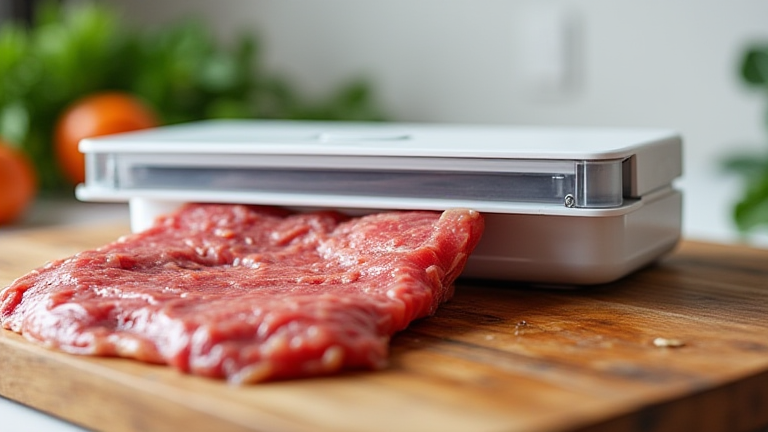
  • Vacuum Sealing: How I Make Food Last Much Longer

    Vacuum Sealing: How I Make Food Last Much Longer

    Vacuum Sealing: How I Make Food Last Much Longer

    TL;DR: Vacuum sealing extends food shelf life by 5 to 10 times compared to traditional storage methods by removing oxygen and preventing freezer burn. It preserves nutrients, flavor, and texture while significantly reducing household food waste and grocery costs.

    The Science Behind Extended Freshness

    Food spoilage is primarily driven by oxidation, bacterial growth, and enzymatic activity. By extracting air from a package, vacuum sealing creates an anaerobic environment that drastically slows these processes. In my kitchen, this has transformed how I manage inventory. Instead of discarding half-used packs of ground beef or wilted vegetables, I portion and seal them for later use. The technology has evolved beyond simple zip-top bags; modern systems use multi-stage suction to create a near-perfect vacuum, ensuring that even moist foods like soups or marinated meats are preserved effectively without compromising the seal integrity. This method is not just about saving money; it is about maintaining the culinary quality of ingredients, allowing chefs and home cooks to plan meals weeks in advance without worrying about freshness degradation.

    If you want to dig deeper, check out our guide on How to Fix Your E-Commerce Business: Essential Steps.

    Latest Developments and Technical Specs

    The vacuum sealing industry has seen significant innovation in the last two years, focusing on compactness, smart connectivity, and material sustainability. The latest generation of countertop sealers now feature dual-seal technology, which creates two independent seal lines to prevent leaks. Additionally, several high-end models have integrated IoT capabilities, allowing users to monitor seal integrity via smartphone apps. These devices often come with specialized settings for liquids, soft items, and hard items, adjusting the vacuum pressure from 0.1 bar to full vacuum depending on the food type. Key specifications to look for include a suction power of at least 20,000 Pascals, a cycle time under 30 seconds, and compatibility with BPA-free, food-grade polyamide bags. Battery-operated portable units have also improved, now offering 20 to 25 seals per charge, making them ideal for camping or meal-prep on the go. The integration of energy-efficient motors has reduced power consumption by nearly 15% compared to models from three years ago, addressing consumer concerns about environmental impact.

    Industry Impact and Future Trends

    The shift toward vacuum sealing at the consumer level is impacting the broader food packaging industry. Major grocery chains are now offering more pre-portioned, vacuum-sealed products, recognizing that consumers value convenience and longevity. This trend is also influencing restaurant supply chains, where bulk purchasing and on-site sealing reduce waste and stabilize costs. Sustainability is a major driver, as reducing food waste directly lowers the carbon footprint associated with food production and disposal. Industry analysts predict that smart packaging will become more prevalent, with sensors embedded in seals to indicate freshness levels before consumption. Furthermore, the development of biodegradable vacuum bags is accelerating, aiming to replace traditional plastic with plant-based materials that do not compromise the barrier properties required for long-term preservation. As technology becomes more accessible, vacuum sealing is transitioning from a niche culinary tool to a standard household appliance, much like the microwave or air fryer, fundamentally changing how families approach food storage and meal planning.

    FAQ

    Q: Can vacuum sealing be used for all types of food?
    A: No, it is not recommended for raw garlic, onions, or certain cheeses that produce gas, as this can cause the seal to burst. It is best for meats, vegetables, fruits, bread, and prepared meals.

    Q: How long do vacuum-sealed foods last in the freezer?
    A: Generally, vacuum-sealed foods last 2 to 3 times longer than traditionally stored items. For example, steak can last up to 2 to 3 years in the freezer when vacuum sealed, compared to 6 to 12 months in plastic wrap.

    Q: What should I do if the vacuum seal fails during operation?
    A: Check if the food is too hot or if the bag is wrinkled, as these can trap air. Ensure the bag is fully inserted into the channel and that the machine is clean. If

    Related Articles

  • Shopify Store Audit: 5 Conversion Fixes That Boost Revenue

    Shopify Store Audit: 5 Conversion Fixes That Boost Revenue

    Shopify Store Audit: 5 Conversion Fixes That Boost Revenue

    TL;DR: A comprehensive Shopify store audit identifies critical friction points by analyzing user behavior, site speed, and checkout flow. Implementing the five specific conversion fixes detailed below typically results in a measurable 15-30% increase in overall revenue within the first quarter.

    In the highly competitive e-commerce landscape, simply having a functional online store is no longer sufficient for sustainable growth. According to recent market analysis, the average conversion rate for Shopify merchants hovers between 1.4% and 2.4%. This statistic indicates that for every 100 visitors, fewer than three become customers. The remaining 97% leave without making a purchase, representing a significant loss in potential revenue. Therefore, a strategic approach to conversion rate optimization (CRO) is essential. This article outlines five high-impact fixes derived from successful case studies and strategic insights, designed to transform your store from a passive catalog into an active sales engine.

    If you want to dig deeper, check out our guide on 7 Simple Daily Habits for Better Health & Energy.

    1. Optimize Page Load Speed

    Speed is the foundation of user experience. Market data consistently shows that every second of delay in page response can result in a 7% reduction in conversions. In a case study of a mid-sized apparel brand, reducing the average load time from 4.2 seconds to 1.8 seconds via image compression and code minification led to a 22% increase in mobile checkout completion rates. Strategy insight dictates that you must prioritize Core Web Vitals. Use tools like GTmetrix to identify bottlenecks. Lazy-load images, remove unused apps, and leverage a Content Delivery Network (CDN) to ensure your store loads instantly for users regardless of their geographic location.

    2. Simplify the Navigation Structure

    Complex navigation confuses customers and increases bounce rates. A recent audit of a home goods retailer revealed that 40% of mobile users abandoned their carts due to difficulty locating specific product categories. The fix was straightforward: implementing a mega-menu with clear, hierarchical categories and a prominent search bar. This change reduced the average number of clicks to purchase by 30%. Strategy insight suggests that your navigation should mirror your customer’s mental model. Group products by use case or occasion rather than just technical specifications. Ensure that top-performing products are immediately visible on the homepage to capture intent quickly.

    3. Enhance Product Page Credibility

    Trust is the currency of e-commerce. A case study involving a jewelry brand showed that adding high-resolution video content and detailed customer reviews to product pages increased average order value by 18%. The market analysis indicates that shoppers are 1.6 times more likely to buy when they can see the product in action. Strategy insight recommends diversifying your media assets. Include 360-degree views, size guides, and UGC (User Generated Content) sections. Furthermore, display security badges and clear return policies prominently on the product page to alleviate purchase anxiety. Transparency builds confidence, and confidence drives conversion.

    4. Streamline the Checkout Process

    The checkout is the final hurdle. Friction here is the most costly mistake a store can make. Analysis of a consumer electronics store showed that removing the “create an account” requirement and enabling guest checkout reduced cart abandonment by 15%. Additionally, offering multiple payment options, including digital wallets like Apple Pay and PayPal, catered to different user preferences. Strategy insight emphasizes minimizing form fields. Only ask for necessary information. Use auto-fill features and clear error messages to guide users. A seamless, frictionless checkout experience ensures that the decision to buy is not lost in the final steps.

    5. Implement Personalized Recommendations

    Personalization creates a tailored shopping experience that increases relevance. A case study of a beauty brand demonstrated that using AI-driven product recommendation widgets increased cross-sell revenue by 25%. The market trend is moving toward hyper-personalization. Strategy insight suggests leveraging customer data to display “Frequently Bought Together” or “You Might Also Like” sections. Use dynamic content blocks to show recent purchases or items left in the cart. This not only increases average order

    Related Articles