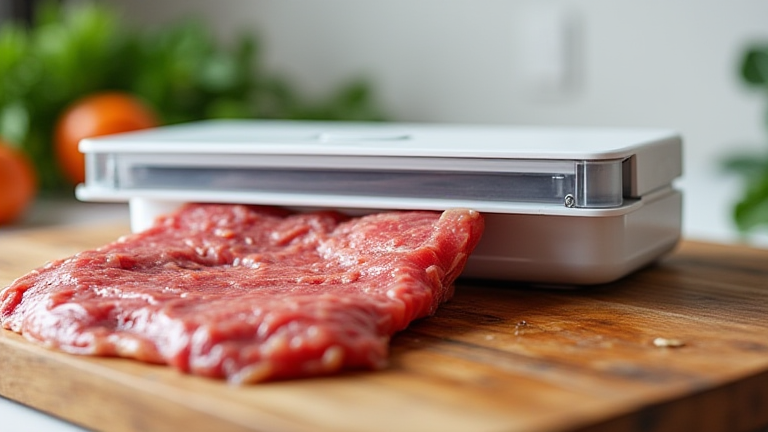
Vacuum Sealing: How I Make Food Last Much Longer
TL;DR: Vacuum sealing extends food shelf life by 5 to 10 times compared to traditional storage methods by removing oxygen and preventing freezer burn. It preserves nutrients, flavor, and texture while significantly reducing household food waste and grocery costs.
The Science Behind Extended Freshness
Food spoilage is primarily driven by oxidation, bacterial growth, and enzymatic activity. By extracting air from a package, vacuum sealing creates an anaerobic environment that drastically slows these processes. In my kitchen, this has transformed how I manage inventory. Instead of discarding half-used packs of ground beef or wilted vegetables, I portion and seal them for later use. The technology has evolved beyond simple zip-top bags; modern systems use multi-stage suction to create a near-perfect vacuum, ensuring that even moist foods like soups or marinated meats are preserved effectively without compromising the seal integrity. This method is not just about saving money; it is about maintaining the culinary quality of ingredients, allowing chefs and home cooks to plan meals weeks in advance without worrying about freshness degradation.
If you want to dig deeper, check out our guide on How to Fix Your E-Commerce Business: Essential Steps.
Latest Developments and Technical Specs
The vacuum sealing industry has seen significant innovation in the last two years, focusing on compactness, smart connectivity, and material sustainability. The latest generation of countertop sealers now feature dual-seal technology, which creates two independent seal lines to prevent leaks. Additionally, several high-end models have integrated IoT capabilities, allowing users to monitor seal integrity via smartphone apps. These devices often come with specialized settings for liquids, soft items, and hard items, adjusting the vacuum pressure from 0.1 bar to full vacuum depending on the food type. Key specifications to look for include a suction power of at least 20,000 Pascals, a cycle time under 30 seconds, and compatibility with BPA-free, food-grade polyamide bags. Battery-operated portable units have also improved, now offering 20 to 25 seals per charge, making them ideal for camping or meal-prep on the go. The integration of energy-efficient motors has reduced power consumption by nearly 15% compared to models from three years ago, addressing consumer concerns about environmental impact.
Industry Impact and Future Trends
The shift toward vacuum sealing at the consumer level is impacting the broader food packaging industry. Major grocery chains are now offering more pre-portioned, vacuum-sealed products, recognizing that consumers value convenience and longevity. This trend is also influencing restaurant supply chains, where bulk purchasing and on-site sealing reduce waste and stabilize costs. Sustainability is a major driver, as reducing food waste directly lowers the carbon footprint associated with food production and disposal. Industry analysts predict that smart packaging will become more prevalent, with sensors embedded in seals to indicate freshness levels before consumption. Furthermore, the development of biodegradable vacuum bags is accelerating, aiming to replace traditional plastic with plant-based materials that do not compromise the barrier properties required for long-term preservation. As technology becomes more accessible, vacuum sealing is transitioning from a niche culinary tool to a standard household appliance, much like the microwave or air fryer, fundamentally changing how families approach food storage and meal planning.
FAQ
Q: Can vacuum sealing be used for all types of food?
A: No, it is not recommended for raw garlic, onions, or certain cheeses that produce gas, as this can cause the seal to burst. It is best for meats, vegetables, fruits, bread, and prepared meals.
Q: How long do vacuum-sealed foods last in the freezer?
A: Generally, vacuum-sealed foods last 2 to 3 times longer than traditionally stored items. For example, steak can last up to 2 to 3 years in the freezer when vacuum sealed, compared to 6 to 12 months in plastic wrap.
Q: What should I do if the vacuum seal fails during operation?
A: Check if the food is too hot or if the bag is wrinkled, as these can trap air. Ensure the bag is fully inserted into the channel and that the machine is clean. If
Leave a Reply