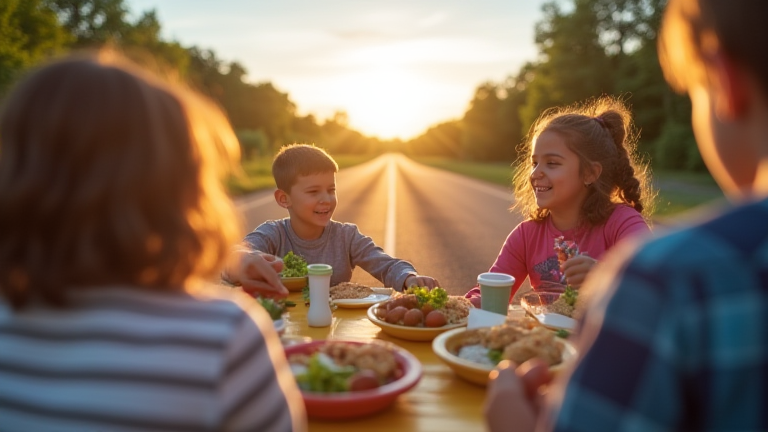
Feeding 4 Kids on a 1200-Mile Road Trip for Under $100
TL;DR: You can successfully feed four children on a long-distance road trip for under one hundred dollars by focusing on high-volume, low-cost bulk staples like oats, bananas, and peanut butter. This strategy minimizes expensive convenience foods while maintaining nutritional density and preventing mid-trip hunger crises.
The Science of Satiety and Budgeting
Long car rides are physically demanding for children, leading to rapid energy depletion if nutrition is poorly timed. Research in nutritional physiology suggests that stable blood sugar levels are crucial for managing mood and fatigue during travel. High-sugar snacks cause rapid spikes and crashes, leading to irritability and increased hunger. Instead, prioritize complex carbohydrates and healthy fats, which provide sustained energy release. This approach not only keeps your kids happier and calmer in the backseat but also significantly reduces the frequency of hunger pangs, allowing you to stick to a strict budget without compromising on their well-being.
If you want to dig deeper, check out our guide on When Code Runs the World: The Danger of Unreadable Systems.
Strategic Meal Planning on a Shoestring
To stay under the $100 limit for four children, you must abandon the idea of pre-packaged snacks, which carry a significant “convenience tax.” Start by purchasing bulk oats, which are cheap, filling, and versatile. Mix them with peanut butter and banana slices to create energy bites that are easy to eat with one hand. Bananas are one of the most cost-effective fruits available, offering natural potassium to prevent muscle cramps during long periods of sitting. Additionally, stock up on whole-wheat tortillas and hummus. These items are shelf-stable enough for a day or two in a cooler, and they provide a balanced mix of protein and carbs. For breakfast, consider making overnight oats at home before departure. This requires almost no additional cost and saves you from buying expensive hotel breakfast items or gas station pastries.
Lifestyle Tips for Stress-Free Travel
Behavioral psychology indicates that structure reduces anxiety in children. Establish a consistent feeding schedule aligned with rest stops. Aim for a meal every three to four hours to prevent the “hangry” state, which is scientifically linked to increased emotional reactivity in children. Bring reusable water bottles to fill at rest stops; dehydration often masquerades as hunger, leading to unnecessary snacking. Pack a dedicated cooler with ice packs to keep perishables fresh without needing constant refills from expensive vending machines. Furthermore, involve your children in the preparation of their snacks before the trip. This engagement increases their willingness to eat the provided food, reducing the likelihood of demanding expensive, unwanted alternatives at rest stops. By treating nutrition as a planned logistical operation rather than an impulsive purchase, you ensure financial stability and physical health for the entire family.
FAQ
Q: Can I really save that much by cooking at home?
A: Yes, preparing meals at home eliminates the markup on convenience and packaging, often reducing food costs by fifty to seventy percent compared to buying ready-to-eat items at gas stations or rest area cafes.
Q: What if my kids get bored with the same snacks?
A: Rotate textures and presentations by varying how you serve the same core ingredients, such as serving peanut butter on crackers, in apples, or mixed into yogurt, to maintain interest without increasing the variety of expensive items purchased.
Q: How do I keep the food fresh for a 1200-mile trip?
A: Use a high-quality cooler with frozen water bottles as ice packs, and keep it in the coolest part of the car, typically the back seat, away from direct sunlight to maintain safe food temperatures for several days.
Leave a Reply