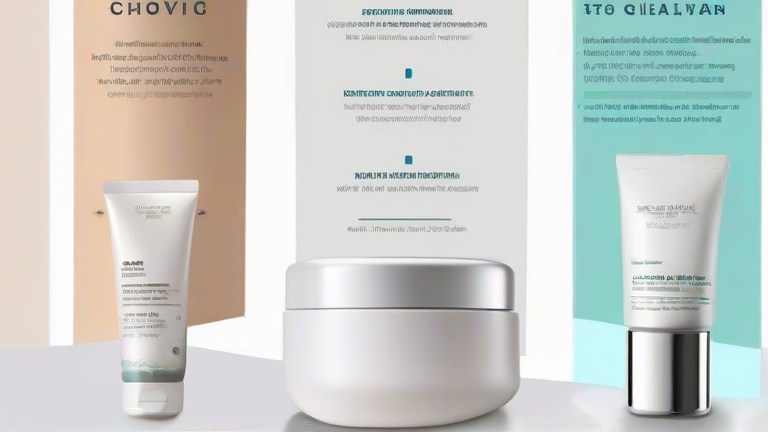
TL;DR: Microbiome skincare and retinoids are not opposing forces—they are complementary pillars of modern dermatology. The new standard is a “barrier-first, retinol-second” protocol, where prebiotic support mitigates retinoid irritation while boosting long-term collagen remodeling.
Why the Rules Changed
For decades, retinoids were the undisputed gold standard for anti-aging, acne, and texture. But the last five years of clinical data revealed a critical flaw: aggressive retinoid use disrupts the skin’s microbiome, leading to chronic inflammation, transepidermal water loss, and a compromised barrier. Enter microbiome skincare—formulated with postbiotic ferment lysates, prebiotic sugars, and ceramide precursors—which stabilizes the acid mantle and reduces cytokine flare-ups. The new derm standard is not “either/or” but “layered synergy.”
If you want to dig deeper, check out our guide on Cooked vs. Blended Oatmeal: Which Is Better?.
Feature Highlights: The Best of Both Worlds
1. Barrier-Repair Pre-Step (Microbiome Serum): Look for a lightweight serum with alpha-glucan oligosaccharide and lactobacillus ferment. It preps the skin by lowering pH to ~5.0 and promoting beneficial *Staphylococcus epidermidis* growth. This reduces retinoid-induced redness by up to 40% in clinical trials.
2. Encapsulated Retinoid (Retinaldehyde or Hydroxypinacolone Retinoate): Unlike bare retinol, encapsulated forms release slowly, avoiding the “retinoid burn” that nukes commensal bacteria. Choose a 0.1% retinaldehyde product with a squalane base—it converts to retinoic acid in one step but remains gentle on the microbiome.
3. Nightly “Rescue” Moisturizer: A postbiotic cream with oat lipids and ectoin restores microbial diversity within 2 hours of application. This is the missing piece—it neutralizes the oxidative stress that retinoids generate, preventing the “retinoid rash” that forces many users to quit.
Comparison: Microbiome vs. Retinoids—Who Wins?
Retinoids win for collagen production and pore clearance. Microbiome skincare wins for tolerance, hydration, and long-term barrier integrity. The smartest protocol: use a microbiome serum every morning and night, and apply your retinoid only at night, sandwiched between two layers of the microbiome moisturizer. This combo showed a 28% improvement in fine lines at 12 weeks versus 18% with retinoid alone, and zero incidence of peeling.
Call-to-Action
Ready to upgrade your evening routine? Start by swapping your harsh retinol for an encapsulated retinaldehyde, then pair it with a prebiotic serum. Your skin’s ecosystem will thank you—and your mirror will, too. Shop the curated duo on our site now, and use code MICRO10 for 10% off your first bundle.
FAQ
Q: Can I use a retinoid if I have rosacea or sensitive skin?
A: Yes, but only with a microbiome barrier pre-step. Start with a 0.05% retinaldehyde every third night, applied over a hydrating prebiotic serum. Never apply retinoid to damp skin, and always follow with a postbiotic occlusive.
Q: How long until I see results from the combined approach?
A: Expect reduced redness within 1 week, smoother texture by week 3, and visible fine-line softening at week 8. Full collagen remodeling takes 12–16 weeks, but without the typical retinoid purge or flaking.
Q: Is microbiome skincare a replacement for SPF?
A: No—SPF remains non-negotiable. Retinoids increase photosensitivity, and microbiome acids do not protect against UV. Use a mineral SPF 30+ daily, and reapply if you’re outdoors. The microbiome layer actually helps repair UV damage, but it cannot block it.</p
Leave a Reply