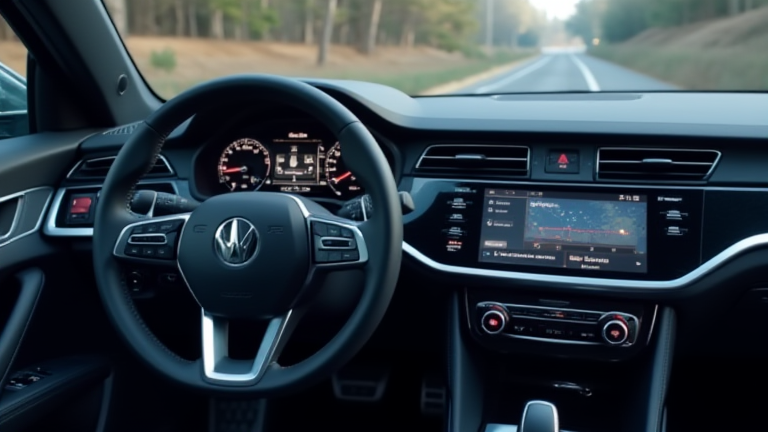
TL;DR: Edge AI chips enable fully offline voice assistants in cars by processing commands locally without internet connectivity. This technology ensures instant response times, enhanced privacy, and reliable functionality in areas with poor signal coverage.
The Rise of Local Processing in Automotive AI
For years, in-car voice assistants have relied heavily on cloud servers to interpret complex requests. While this approach allowed for sophisticated natural language processing, it introduced significant latency and dependency on stable network connections. Drivers frequently experienced frustrating delays or total system failures when driving through rural areas with weak cellular coverage. The integration of dedicated Edge AI chips into modern vehicle head units changes this dynamic entirely. By moving the inference process from remote data centers to the vehicle itself, manufacturers can deliver a seamless user experience that feels immediate and robust. These specialized processors are designed to handle the specific workload of speech recognition and intent classification with high efficiency and low power consumption.
If you want to dig deeper, check out our guide on Why UK Publishers Want ChatGPT Banned From Google Search.
Feature Highlights: Speed, Privacy, and Reliability
The primary benefit of edge-based voice systems is the drastic reduction in response time. Since data does not need to travel to a server and back, the assistant can react to driver commands in milliseconds. This speed is crucial for safety-critical interactions, such as adjusting climate controls or setting navigation destinations while driving. Furthermore, local processing significantly enhances user privacy. Sensitive voice data remains on the device, eliminating the risk of interception or unauthorized storage by third-party cloud providers. This feature appeals to privacy-conscious consumers who are wary of data collection practices associated with major tech giants. Additionally, offline capability ensures that essential functions like emergency calls and basic navigation continue to work even if the vehicle loses its cellular connection. This reliability is a major selling point for drivers who frequently travel in remote or mountainous regions.
Comparison with Traditional Cloud-Based Systems
When compared to traditional cloud-based assistants, edge AI chips offer distinct advantages in performance consistency. Cloud systems may perform well in urban centers with high-speed 5G coverage but degrade significantly in areas with 3G or no signal. Edge systems, however, maintain a consistent performance baseline regardless of location. While cloud systems may have access to more up-to-date information and a broader vocabulary due to massive server-side models, edge systems are increasingly closing this gap. Newer generations of chips support larger neural network architectures, allowing for more nuanced understanding of context and multi-turn conversations. The trade-off is that edge systems may occasionally struggle with highly ambiguous or rare queries that benefit from the vast computational power of a data center. Nevertheless, for the majority of daily driving tasks, the local approach is superior in terms of responsiveness and trust.
Future Implications and Market Trends
As automotive manufacturers compete for dominance in the smart vehicle market, the adoption of edge AI is becoming a standard feature rather than a luxury add-on. We can expect future models to integrate even more powerful chips that handle not just voice, but also visual recognition for driver monitoring and gesture control. This convergence of sensory inputs on local hardware will create a more intuitive and safer driving environment. The shift toward local processing also supports the broader automotive trend of reducing external dependencies, making vehicles more self-sufficient and secure against network disruptions.
Conclusion and Call to Action
The transition to edge AI-powered voice assistants marks a significant milestone in automotive technology. It addresses the core pain points of latency, privacy, and connectivity issues that have plagued previous generations of in-car assistants. For consumers, this means a smoother, more reliable, and private interaction with their vehicles. If you are in the market for a new car, prioritize models that explicitly advertise local or offline voice processing capabilities. Check the specifications for dedicated AI accelerators or high-performance NPUs to ensure the system can handle complex tasks efficiently. Do not settle for an assistant that requires constant internet access to perform basic functions. Embrace the future of driving by choosing a vehicle that respects your time, your privacy, and your need for reliable technology. Upgrade your driving experience today with the power of local intelligence.
FAQ
Q: Do offline voice assistants work with all languages?
A: Most current edge AI systems support major languages like English, Spanish, and Mandarin
Leave a Reply