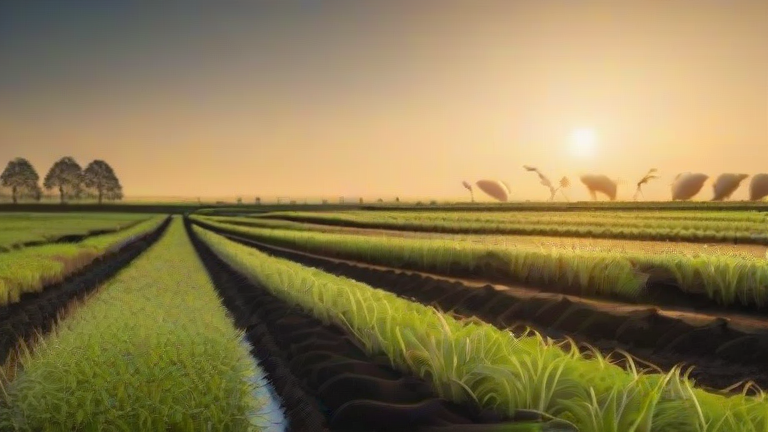
TL;DR: Regenerative farming is shifting from a niche eco-buzzword to a boardroom KPI, because it simultaneously sequesters carbon, rebuilds soil, and de-risks supply chains. For the modern professional, this isn’t just about ethics—it’s about investing in the terroir that produces your coffee, wine, and weekend farm-to-table splurges.
The Soil Under Your Sneakers
On a recent trip through California’s Central Coast, I walked a vineyard that looked nothing like the postcard rows of manicured vines. Instead, sheep grazed between cover crops, and the ground was so spongy that my hiking boots sank an inch into dark, crumbly loam. The winemaker called it “farming for the future,” but the finance bros in our tasting group called it something else: “alpha.” Regenerative agriculture—no-till planting, rotational grazing, and polyculture—is now the fastest-growing ESG (Environmental, Social, Governance) metric for Fortune 500 food and beverage companies.
If you want to dig deeper, check out our guide on Heatwave Laws: Mandatory Remote Work Arrives in Major Cities.
Why Your Avocado Toast Now Costs More (and Should)
Think about your last farmers market haul. The heirloom tomatoes, the sourdough, the grass-fed butter. Those products carry a hidden premium: the cost of rebuilding topsoil that industrial monoculture has stripped over the past century. Regenerative farms don’t just “do less harm”; they actively pull carbon dioxide from the air and lock it into root systems. For corporations like Patagonia Provisions, General Mills, and even Nestlé, this is a hedge against climate volatility. When a drought hits, regenerative fields retain 20–40% more water, meaning your favorite small-batch olive oil won’t vanish from shelves—or triple in price.
The Cultural Shift Toward “Dirty” Luxury
This is also a lifestyle movement. High-end travel companies now offer “farm immersions” where guests dig their hands into compost piles in Tuscany or sleep in yurts on Texas bison ranches. The new luxury isn’t a marble lobby; it’s a transparent supply chain. You’re not just buying a $14 bottle of regenerative red—you’re buying a story of mycorrhizal fungi and water retention. For the personal growth angle, this practice forces humility: you can’t control the weather, but you can control how you treat the ground beneath you. That’s a metaphor that translates to any career or relationship.
From Trend to Baseline
Regenerative farming won’t remain optional. The EU’s new soil health laws and the USDA’s climate-smart grants are turning this into compliance. Savvy consumers are already voting with their wallets, and corporate ESG reports now include “soil organic matter” alongside carbon emissions. The takeaway? Next time you travel, skip the generic wine tour. Find a farm that’s rebuilding its land. Taste the difference. Then ask your HR department if your 401(k) is invested in regenerative agriculture. The answer might surprise you.
FAQ
Q: Is regenerative farming just “organic” with a new label?
A: No. Organic bans synthetic chemicals, but regenerative actively restores ecosystems—using cover crops, compost, and animal rotation to increase biodiversity and sequester carbon, often exceeding organic standards.
Q: How can I verify a brand truly uses regenerative practices?
A: Look for third-party certifications like Regenerative Organic Certified (ROC) or Soil Carbon Initiative. Failing that, check the company’s annual ESG report for specific soil health metrics, not vague “sustainability” pledges.
Q: Does eating regeneratively cost significantly more?
A: Initially, yes—often 10–30% premium. But as supply chains scale and soil fertility lowers input costs, prices are expected to stabilize. Consider it an investment in future food security, not just a grocery bill.
Leave a Reply