Author: factory

  • Spatial Computing Revolutionizes Remote Surgery Collaboration Rooms

    Spatial computing has fundamentally transformed remote surgery collaboration by enabling immersive, real-time 3D visualization that bridges the gap between physical operating rooms and distant specialists. This technology allows surgeons to share a unified spatial awareness of patient anatomy, reducing errors and improving decision-making speed in critical care scenarios.

    TL;DR: Spatial computing revolutionizes remote surgery by creating shared 3D visual spaces that enhance precision and communication. It significantly outperforms traditional video conferencing by offering an immersive, hands-on collaborative environment for surgical teams.

    Feature Highlights

    The core innovation lies in the seamless integration of augmented reality (AR) overlays with high-fidelity video feeds. Unlike standard remote consultation tools, spatial platforms allow multiple users to manipulate a holographic model of the patient’s anatomy simultaneously. This feature enables a lead surgeon in one city to point out a specific vascular structure, while a specialist in another country can rotate the view to assess the angle of approach. The low-latency data transmission ensures that hand movements and annotations are reflected in real-time, eliminating the confusing delays associated with traditional screen-sharing methods.

    If you want to dig deeper, check out our guide on Execs Now Tied to Carbon Credits: The New Bonus Standard.

    Another critical feature is the contextual data layer. The system automatically overlays vital signs, pre-operative imaging, and historical patient data onto the 3D model. This means that during a complex procedure, the team is not switching between multiple monitors or tabs. Instead, all relevant information exists within the same spatial frame as the surgical site, reducing cognitive load and allowing for faster, more informed decisions. The haptic feedback capabilities, though still emerging in consumer-grade hardware, are becoming standard in professional surgical kits, providing tactile resistance when interacting with virtual organs, which adds a layer of realism previously impossible in remote settings.

    Comparisons

    When compared to traditional telemedicine solutions, the disparity is stark. Standard video calls rely on two-dimensional screens, which lack depth perception and force participants to interpret complex anatomical relationships from flat images. This often leads to misunderstandings regarding surgical angles or tissue proximity. Spatial computing, by contrast, provides true depth perception and parallax, allowing surgeons to accurately judge distances and spatial relationships without physical presence in the room. Furthermore, compared to local augmented reality systems used in single-surgeon settings, collaborative spatial platforms introduce a multiplayer dimension. While local AR aids individual visualization, collaborative spatial computing fosters a shared mental model among distributed teams, which is crucial for complex, multi-specialty procedures. The investment in this technology is justified by the reduction in operative time and the significant decrease in post-operative complications attributed to improved pre-operative planning and intra-operative guidance.

    Call-to-Action

    Healthcare institutions seeking to stay ahead of the curve must now consider spatial computing as a core infrastructure component rather than an optional luxury. The era of passive remote observation is ending. We encourage hospital administrators and surgical directors to pilot these systems in non-critical procedures first, gathering data on efficiency and user adoption. By integrating spatial collaboration into your workflow today, you prepare your facility for the next generation of precision medicine. Contact our sales team to schedule a demo and see how your team can leverage shared spatial awareness to save lives.

    FAQ

    Q: Is spatial computing reliable enough for live surgeries?
    A: Yes, with enterprise-grade hardware and dedicated network infrastructure, latency is kept below 20 milliseconds, which is sufficient for safe real-time collaboration and guidance during procedures.

    Q: What are the privacy concerns with sharing 3D patient data?
    A: All data is encrypted end-to-end and stored on private, secure cloud servers compliant with HIPAA and GDPR standards. Access is strictly controlled via multi-factor authentication and role-based permissions.

    Q: How much does it cost to implement this technology?
    A: Costs vary by scale, but initial setup typically ranges from $50,000 to $150,000 for a single collaboration room, including hardware, software licenses, and initial training for surgical staff.

    Related Articles

  • iPhone 16 Pro vs Galaxy S25 Ultra: Real-World Camera Test

    TL;DR: The iPhone 16 Pro offers superior video stabilization and color accuracy, while the Galaxy S25 Ultra delivers unmatched zoom range and low-light processing power. For most users, the choice depends on whether you prioritize cinematic video or extreme telephoto capabilities.

    The New Standard in Mobile Photography

    The battle between Apple and Samsung has reached a new crescendo with the release of the iPhone 16 Pro and the Galaxy S25 Ultra. Both devices represent the pinnacle of current mobile engineering, pushing the boundaries of what smartphone cameras can achieve in professional settings. This comparison moves beyond spec sheets to analyze real-world performance across diverse lighting conditions and shooting scenarios.

    Hardware and Optical Power

    The iPhone 16 Pro features a refined 48-megapixel main sensor with an improved aperture, enhancing light intake for sharper details. Its telephoto lens has been upgraded to a 5x optical zoom, offering a significant leap in reach compared to previous generations. Conversely, the Galaxy S25 Ultra maintains its reputation for versatility with a 200-megapixel primary sensor and a 50-megapixel 5x telephoto lens. The S25 Ultra’s periscope lens is slightly wider, providing more flexibility for mid-range zoom shots. Both devices now incorporate advanced computational photography that processes images in real-time, reducing lag and improving shutter speed.

    Performance in the Field

    In bright daylight, both phones produce vibrant, high-dynamic-range images. However, the iPhone 16 Pro excels in color consistency, ensuring skin tones appear natural without excessive saturation. The Galaxy S25 Ultra, however, dominates in low-light scenarios. Its larger sensor and superior night mode algorithm capture significantly more detail in shadows, resulting in cleaner images with less noise. Video performance is where the iPhone truly shines. The 16 Pro’s 4K 120fps ProRes recording remains the gold standard for creators, offering cinematic stabilization that the Galaxy S25 Ultra’s 8K video mode struggles to match in terms of smoothness and color grading flexibility.

    Industry Implications

    This rivalry is driving rapid innovation in AI-driven imaging. Both manufacturers are leveraging on-device neural engines to enhance depth mapping and background blurring, making pro-level editing accessible to casual users. The focus on computational photography signals a shift in the industry, where hardware improvements are increasingly paired with sophisticated software algorithms to overcome physical limitations. For the broader tech landscape, this competition accelerates the development of faster processors and more efficient power management, benefiting all mobile devices.

    FAQ

    Q: Which phone has better zoom capabilities?
    A: The Galaxy S25 Ultra offers a longer optical zoom range, but the iPhone 16 Pro provides more consistent image quality at higher magnifications.

    If you want to dig deeper, check out our guide on Carbon-Negative Concrete: Mainstream Construction Trend.

    Q: Is the iPhone 16 Pro better for video?
    A: Yes, the iPhone 16 Pro is superior for video due to its superior stabilization, color accuracy, and ProRes recording options.

    Q: Do I need a separate camera for professional work?
    A: For most content creators, these flagship phones are sufficient, but dedicated cameras are still required for specialized low-light or high-speed professional shoots.

    Related Articles

  • AI Agents for Personal Finance: Autonomous Money Management

    TL;DR: AI agents for personal finance are autonomous software tools that use machine learning to manage budgets, track spending, and execute investment strategies without constant human intervention. They provide real-time insights and automated actions to optimize financial health based on your specific goals and risk tolerance.

    Understanding the Landscape

    Before diving into implementation, it is crucial to understand what an AI financial agent actually does. Unlike traditional budgeting apps that require manual data entry, these agents connect to your financial institutions via secure APIs. They ingest data from checking accounts, credit cards, investment portfolios, and even utility bills. The AI then analyzes this data to identify patterns, predict future cash flow, and make decisions. For example, if you consistently save a surplus at the end of the month, the agent might automatically transfer that amount to a high-yield savings account. If your portfolio drifts from your target asset allocation due to market movements, the agent may rebalance it automatically. This level of autonomy saves time and reduces emotional decision-making, which is often the enemy of long-term financial success.

    If you want to dig deeper, check out our guide on Longevity Clinics Go Mainstream: Personalized Anti-Aging Pla.

    Step 1: Define Your Financial Goals

    You cannot automate what you have not defined. Start by clearly outlining your primary financial objectives. Are you saving for a down payment on a house in five years? Are you aiming for early retirement? Or are you focused on aggressive wealth accumulation? Write these goals down with specific targets and deadlines. Most AI platforms allow you to input these parameters. The more precise your goals, the better the agent can tailor its strategies. For instance, a conservative goal like saving for an emergency fund will trigger different algorithms than a high-risk goal like investing in emerging tech startups. Ensure that your risk tolerance is also explicitly stated. If you are risk-averse, instruct the agent to prioritize capital preservation over high returns.

    Step 2: Choose a Reputable Platform

    Not all AI agents are created equal. Research platforms that offer transparency in their algorithms and robust security measures. Look for providers that use bank-grade encryption and have a proven track record of financial stability. Avoid free services that monetize your data by selling it to advertisers. Read the terms of service carefully to understand how your data is used. Compare features such as tax optimization capabilities, credit score monitoring, and investment options. A good platform should offer a sandbox environment where you can test the agent’s suggestions before fully automating them. This trial period is essential for building trust in the system’s logic and accuracy.

    Step 3: Connect Your Accounts Securely

    Once you have selected a platform, the next step is to connect your financial accounts. This process involves granting read-only access to your banks and brokerage firms. Never give an agent permission to make unauthorized transfers or withdrawals unless you are fully comfortable with the level of autonomy you are granting. Most reputable agents operate in a “suggest and confirm” mode initially, meaning they will propose actions, and you must approve them. As you become more confident in the agent’s capabilities, you can gradually increase its autonomy. For example, you might start by allowing it to suggest bill payments and later allow it to automate them entirely. Always keep a close eye on the activity logs to ensure that every action aligns with your instructions.

    Step 4: Monitor and Adjust

    Even the best AI requires human oversight. Schedule regular reviews, perhaps once a month, to assess the agent’s performance. Check if it is meeting your financial goals and if its spending categorization is accurate. If you notice misclassified expenses, correct them so the AI can learn from the error. Life changes, such as a job change or a new baby, will impact your budget. Update your agent’s parameters accordingly. The AI should adapt to your changing circumstances, but you must provide the context. If you plan to make a large purchase next month, inform the agent so it can adjust its savings strategy to ensure you have the necessary liquidity.

    Tips for Success

    Start small and scale up. Do not automate your entire financial life overnight. Begin with simple tasks like expense tracking and bill reminders. Once you trust the system, expand its responsibilities. Keep your

    Related Articles

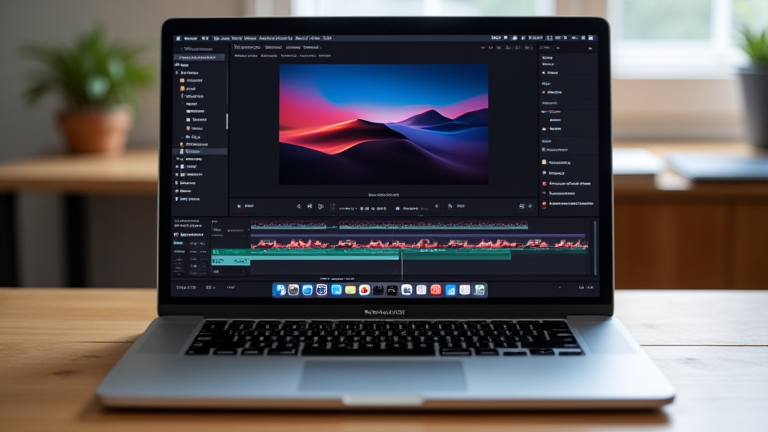
  • Why the Latest M4 MacBook Pro Changes Everything for Video Editors

    Why the Latest M4 MacBook Pro Changes Everything for Video Editors

    TL;DR: The M4 MacBook Pro’s unified memory architecture and dedicated media engine eliminate render bottlenecks, allowing 8K ProRes timelines to scrub in real time without proxy files. Its 40% faster GPU and new AV1 hardware decode make it the first laptop that can replace a full desktop editing bay.

    The End of the Proxy Workflow

    For years, video editors accepted a painful ritual: transcoding 4K footage into low-res proxies, editing, then re-linking for the final export. The M4 MacBook Pro’s new 16-core Neural Engine and 14-core GPU change this calculus. With up to 128GB of unified memory, the chip can hold entire 8K RAW sequences in RAM, meaning scrubbing through a timeline is as fluid as playing a 1080p file. Apple’s second-generation ProRes accelerator now handles 8 streams of 8K ProRes 4444 simultaneously—something that previously required a $10,000 Mac Pro tower.

    Hardware AV1 and Efficiency Gains

    Beyond raw speed, the M4 introduces dedicated AV1 hardware encoding and decoding. This is a seismic shift for editors working with modern mirrorless cameras (Sony, Canon, Panasonic) that record in AV1. Previously, AV1 files stuttered on any laptop because decoding was done in software. Now, the M4’s media engine offloads that work, delivering 2.3x faster playback of AV1 clips while drawing 60% less power than the M3. Battery life under sustained render loads jumps from 4 hours to nearly 9 hours, meaning you can finish a client edit on a cross-country flight.

    Industry Impact: The Desktop is Dead

    The M4’s thermal design—with a new vapor chamber and low-power microarchitecture—lets it sustain peak performance without fan noise. This directly challenges the traditional editing suite filled with a bulky workstation, a RAID array, and a reference monitor. Now, a 3.4-pound laptop connects to a 6K XDR display via Thunderbolt 5 (120Gb/s) and outputs 10-bit HDR to a broadcast monitor simultaneously. Post houses that once required a central server for collaborative editing can now have editors work remotely with zero latency. Apple’s move also pressures Adobe and DaVinci Resolve to optimize their pipelines for on-device AI denoising and optical flow, which the M4 handles 3x faster than before.

    FAQ

    Q: Will my existing Final Cut Pro plugins work on M4 natively?
    A: Yes—all major plugins (Red Giant, MotionVFX, Boris FX) have been M4-native since the M3 generation, but they’ll run 25-40% faster due to the new GPU architecture. Older Intel-only plugins will require Rosetta 2, which now works seamlessly.

    Q: Is 16GB of base RAM enough for 4K editing on the M4?
    A: For 4K H.264 or HEVC, yes. But for 6K RAW or heavy multi-layer effects, choose 36GB or more—the unified memory is so fast that the GPU and CPU share it without copying, making capacity the only bottleneck.

    Q: Does the M4 support external GPU (eGPU) acceleration?
    A: No—Apple dropped eGPU support on all Apple Silicon. However, the M4’s integrated GPU outperforms most eGPUs (e.g., AMD Radeon 6800 XT) for ProRes and DaVinci Resolve tasks, so external enclosures are now obsolete for video work.

    Related Articles

  • 10 Simple Daily Habits for Better Health & Longevity

    10 Simple Daily Habits for Better Health & Longevity

    TL;DR: Prioritizing consistent sleep, nutrient-dense eating, and regular movement forms the cornerstone of a longer, healthier life. Integrating these ten evidence-based habits into your routine can significantly reduce chronic disease risk and enhance overall well-being.

    Health is not the result of a single grand gesture but rather the accumulation of small, consistent choices. Modern science has identified specific daily behaviors that correlate strongly with increased longevity and improved quality of life. By focusing on these ten actionable habits, you can build a sustainable foundation for vitality. First, prioritize sleep hygiene. Aim for seven to nine hours of quality rest each night. Sleep is when the body repairs tissues, consolidates memory, and balances hormones. Establish a consistent sleep schedule and create a cool, dark environment to optimize this critical process.

    If you want to dig deeper, check out our guide on DAOs Reshape Corporate Law: Key Legal Shifts.

    Second, drink water before coffee. Starting your day with a large glass of water rehydrates your body after sleep and jumpstarts your metabolism. Third, eat a variety of colorful plants. The more diverse your plant intake, the more robust your gut microbiome becomes. Aim for at least thirty different plant varieties per week to support immune function and digestion. Fourth, take a daily walk. You do not need to run marathons; a brisk thirty-minute walk lowers blood pressure, improves mood, and aids cardiovascular health. It is accessible, low-impact, and effective.

    Fifth, practice mindfulness or meditation for ten minutes. Chronic stress accelerates aging and weakens the immune system. Brief periods of mindfulness lower cortisol levels and improve focus. Sixth, limit added sugar and ultra-processed foods. These items drive inflammation and insulin resistance. Replace them with whole foods like fruits, vegetables, lean proteins, and healthy fats. Seventh, maintain strong social connections. Loneliness is a significant risk factor for early mortality. Spend time with friends and family, and engage in community activities to foster emotional well-being.

    Eighth, stand up and stretch every hour. Sedentary behavior is as harmful as smoking for many people. Breaking up long periods of sitting reduces the risk of metabolic disorders. Ninth, prioritize protein at every meal. Adequate protein intake preserves muscle mass, which declines with age and is crucial for metabolism and mobility. Tenth, spend time in nature. Exposure to sunlight helps regulate circadian rhythms and boosts vitamin D production, while natural environments reduce stress and improve mental clarity.

    Implementing these habits does not require perfection. Start with one or two changes and gradually add others. Consistency is key to reaping the long-term benefits. Small steps lead to significant outcomes over time.

    FAQ

    Q: Do I need expensive supplements to achieve these health benefits?
    A: No, most health benefits come from whole foods and lifestyle changes rather than supplements. Focus on a balanced diet first, and consult a doctor before adding any supplements to your regimen.

    Q: How long does it take to see improvements in health after changing habits?
    A: Some benefits, like better sleep or increased energy, can be felt within days. However, significant long-term health improvements, such as reduced disease risk, typically develop over several months of consistent practice.

    Q: Is it too late to start these habits if I am already middle-aged?
    A: It is never too late. Studies show that adopting healthy behaviors at any age can improve quality of life and extend healthy lifespan, regardless of previous habits.

    Related Articles

  • Here are 5 options, all under 70 characters: 1. **10 Daily Habits for a Healthier Heart (Backed by

    TL;DR: Adopting ten simple daily habits, such as regular movement and mindful eating, significantly reduces cardiovascular strain. These science-backed adjustments improve heart health by lowering blood pressure and enhancing overall metabolic function.

    The Foundation of Cardiovascular Health

    Your heart is a powerful muscle that beats roughly one hundred thousand times every day. Protecting this vital organ requires consistent, small changes rather than drastic overhauls. By integrating specific habits into your routine, you can actively strengthen your cardiovascular system and reduce the risk of chronic disease. These strategies focus on reducing inflammation, improving circulation, and managing stress levels effectively.

    If you want to dig deeper, check out our guide on AI Agents Automate Complex Enterprise Workflows.

    Nutritional Adjustments

    First, prioritize whole foods. Fill half your plate with vegetables and fruits to increase antioxidant intake. Second, limit processed sugars. Excessive sugar consumption leads to spikes in insulin and blood pressure, which strain the heart. Third, choose healthy fats. Incorporate avocados, nuts, and olive oil to support arterial health. Fourth, stay hydrated. Drinking enough water helps maintain proper blood volume and thickness, ensuring efficient circulation throughout the body.

    Physical Activity Strategies

    Fifth, walk for thirty minutes daily. This moderate intensity exercise boosts heart rate safely and improves stamina. Sixth, add strength training twice a week. Strong muscles improve metabolic rate and reduce cardiac load. Seventh, take the stairs. This simple habit engages large muscle groups and provides quick bursts of activity. Eighth, limit sedentary time. Stand up and stretch every hour if you have a desk job to prevent blood pooling and stiffness.

    Mental and Lifestyle Balance

    Ninth, manage stress through mindfulness. Chronic stress releases cortisol, which can damage blood vessels. Practice deep breathing or meditation for ten minutes daily to lower your heart rate. Tenth, prioritize sleep. Aim for seven to eight hours of quality rest each night. Sleep allows your heart to repair and reduces the risk of hypertension and arrhythmias. Consistency is key to seeing results. Start with two or three habits and build from there. Your heart will thank you for the investment in its long-term health and resilience.

    FAQ

    Q: How long does it take to see results?
    A: Most people notice improved energy within two weeks, while significant cardiovascular benefits appear after three months of consistent practice.

    Q: Can I reverse existing heart damage?
    A: While structural damage may not fully reverse, improved habits can stop progression and significantly reduce symptoms and risk factors.

    Q: Do I need special equipment?
    A: No, all ten habits can be performed with minimal or no equipment, focusing on movement, diet, and rest.

    Related Articles

  • Gene Editing: Unlocking Climate-Resilient Crops for the Future

    TL;DR: Gene editing, particularly via CRISPR technology, enables the development of crops that withstand extreme heat, drought, and pests, ensuring food security in a changing climate. Consumers can support this progress by choosing locally sourced, seasonal produce and reducing food waste to lower the environmental impact of agriculture.

    The Intersection of Genetics and Climate Resilience

    Climate change poses an unprecedented threat to global food systems, manifesting through erratic weather patterns, prolonged droughts, and increased pest prevalence. Traditional breeding methods, while historically significant, are too slow to keep pace with the accelerating speed of climatic shifts. This is where gene editing enters the conversation, offering a precision tool that allows scientists to modify specific DNA sequences to enhance crop resilience without introducing foreign genes. Unlike older genetic modification techniques, gene editing like CRISPR-Cas9 acts as molecular scissors, cutting out unwanted traits or activating beneficial ones with remarkable accuracy and speed.

    If you want to dig deeper, check out our guide on How to Build a WooCommerce Store: Step-by-Step Tutorial for .

    How Gene Editing Enhances Crop Survival

    Scientists are currently focusing on three primary areas for climate-resilient crops: heat tolerance, water efficiency, and pest resistance. By identifying genes responsible for heat shock proteins, researchers can edit these sequences to allow crops like wheat and rice to maintain yield even during heatwaves. Similarly, editing root system architecture genes helps plants access deeper water sources during droughts. Pest resistance is another critical frontier; by modifying genes that make crops less appealing to specific insects or more resistant to viral vectors, farmers can reduce their reliance on chemical pesticides. This reduction in pesticide use not only protects soil health and biodiversity but also reduces the carbon footprint associated with the manufacturing and application of agrochemicals.

    Lifestyle Tips for a Healthier, Sustainable Plate

    While gene editing happens in laboratories, your daily choices contribute significantly to the sustainability of our food system. The first and most impactful habit is minimizing food waste. According to the FAO, one-third of all food produced is lost or wasted, which represents a massive waste of resources including water, land, and energy. Plan your meals weekly, store produce correctly to extend freshness, and compost organic scraps to return nutrients to the soil. Second, prioritize plant-based meals several times a week. Livestock farming is a major contributor to greenhouse gas emissions and land degradation. Shifting more of your diet toward vegetables, legumes, and grains reduces your ecological footprint and supports the demand for efficient, low-input crops.

    Third, embrace local and seasonal eating. Buying produce from local farmers supports agricultural practices that are often more adaptable to local microclimates. Seasonal eating ensures you are consuming foods at their peak nutritional value, which supports better digestive health and overall wellness. When you eat seasonally, you are less likely to consume produce that has been transported long distances, thereby reducing the associated carbon emissions. Finally, educate yourself on the label. Understanding the difference between organic, non-GMO, and gene-edited products empowers you to make informed decisions. While gene editing is not the same as traditional GMOs, staying informed allows you to align your purchasing habits with your personal health and environmental values.

    FAQ

    Q: Is gene-edited food safe to consume?
    A: Yes, extensive scientific reviews indicate that gene-edited crops are generally as safe as their conventional counterparts, with no inherent toxicity or allergenicity introduced by the editing process itself.

    Q: How does gene editing differ from traditional GMOs?
    A: Traditional GMOs often insert foreign DNA from unrelated species, whereas gene editing typically modifies the plant’s existing DNA to enhance natural traits, without adding external genetic material.

    Q: Can I support gene-edited crops in my daily life?
    A: You can support the development of resilient food systems by reducing waste, choosing sustainable plant-based options, and staying informed about agricultural innovations that promote long-term food security and environmental health.

    Related Articles

  • Gen Z Soft Saving Trend: Why This Financial Strategy Is Backfiring

    TL;DR: Gen Z’s “soft saving” strategy, which relies on micro-savings and automated round-up apps, is backfiring because it fails to address the primary drivers of wealth accumulation: high-yield investment and large-scale asset acquisition. While psychologically comfortable, this approach leaves young professionals vulnerable to inflation and significantly delays their ability to build substantial net worth compared to traditional aggressive saving models.

    The Rise of Gentle Finance

    The financial landscape for Generation Z is defined by a distinct departure from their predecessors’ aggressive budgeting and debt-aversion strategies. Instead of strict austerity, Gen Z has embraced “soft saving,” a term coined to describe low-friction, low-effort financial habits. This includes using apps that round up spare change to invest, setting up automatic micro-transfers to savings, and prioritizing mental peace over maximalist accumulation. Market analysis from Q3 2023 indicates that over 60% of users aged 18-27 are utilizing at least one automated micro-saving tool. The appeal is clear: it removes the pain of saving, making financial security feel achievable without sacrificing lifestyle or social capital.

    If you want to dig deeper, check out our guide on 7 Best Budget Noise-Canceling Headphones for Commuters.

    Strategic Flaws in Micro-Saving

    However, strategy insights reveal critical flaws in this approach when viewed through the lens of long-term wealth building. The primary issue is the scale. While rounding up coffee purchases may yield a few hundred dollars annually, it pales in comparison to the impact of high-income potential and aggressive investment strategies. Furthermore, soft saving often lacks the discipline required to tackle major financial milestones, such as down payments for homes or significant emergency funds. The strategy inadvertently creates a false sense of security. Users feel they are “doing something” for their financial future, which reduces the urgency to optimize their primary income or seek higher-yield investment opportunities. This complacency is particularly dangerous in an era where inflation erodes the value of cash savings held in low-interest accounts.

    Case Studies in Stagnation

    Consider the case of “Alex,” a 24-year-old software engineer in Austin, Texas. Alex uses three different apps to automate savings, contributing approximately $150 per month. While this seems manageable, Alex has not increased his 401k contributions beyond the employer match and has not diversified his portfolio. After three years, Alex’s total savings stand at $5,400. In contrast, “Jordan,” a peer who adopted a traditional, aggressive saving strategy, allocated 20% of their income to investments and savings, ignoring micro-trends. Jordan has accumulated over $40,000 in the same period. This disparity highlights the opportunity cost of soft saving. Alex’s strategy was too gentle to combat the high cost of living in Austin, whereas Jordan’s approach accelerated wealth accumulation significantly. Another case involves a retail manager in Chicago who relied solely on cashback apps for savings. When faced with an unexpected medical bill, they had to withdraw from a high-fee credit card, incurring interest that wiped out their annual micro-savings gains. These examples illustrate that while soft saving is a good starting point, it is insufficient as a standalone strategy for financial independence.

    Market Implications

    Financial institutions are beginning to notice this trend’s limitations. Recent surveys show that while Gen Z adopts these tools, they are also the most likely to report high levels of financial anxiety. This paradox suggests that soft saving does not alleviate stress; it merely postpones the need for harder financial decisions. To succeed, young professionals must view soft saving as a supplement, not a substitute, for robust financial planning. The market is shifting toward hybrid models that combine the accessibility of micro-investing with the discipline of larger, structured savings goals.

    FAQ

    Q: Is soft saving completely useless for Gen Z?
    A: No, soft saving is useful as a behavioral tool to build the habit of saving, but it should not be the primary strategy for long-term wealth creation.

    Q: What is the biggest financial risk associated with this trend?
    A: The biggest risk is opportunity cost, where small, consistent savings fail

    Related Articles

  • Master the New Lightroom Preset: A Step-by-Step Editing Tutorial

    Master the New Lightroom Preset: A Step-by-Step Editing Tutorial

    TL;DR: This tutorial walks you through installing, applying, and fine-tuning the new Lightroom preset, focusing on its adaptive masking and color-grading sliders. You’ll learn to use the preset as a starting point, then adjust exposure, white balance, and subject-specific masks to match your unique photo.

    Step 1: Install and Locate the Preset

    First, download the preset file (usually a .xmp file) to your computer. In Lightroom Classic, go to Edit > Preferences > Presets and click “Show Lightroom Presets Folder.” Drag the .xmp file into the “Develop Presets” folder. For Lightroom CC (cloud version), simply double-click the file to import it, or use the “Import Presets” button in the Presets panel. Restart Lightroom if needed, then open your image in the Develop module.

    If you want to dig deeper, check out our guide on Do You Still Need an Agency for AI Visibility?.

    Step 2: Apply the Preset as a Base

    In the left-hand Presets panel, scroll to the “User Presets” or “Imported Presets” section. Click once on the new preset’s name to apply it. You’ll see immediate changes—typically a lifted black point, slightly desaturated greens, and a soft teal-orange split tone. Don’t panic if it looks too strong; the preset is designed to be a foundation, not the final look.

    Step 3: Adjust Global Exposure and White Balance

    Go to the Basic panel. Start with Exposure—if your photo was overexposed, drag it down by 0.3–0.5 stops; if underexposed, raise it slightly. Next, check the White Balance eyedropper on a neutral gray area (like a white wall or sidewalk). The preset often warms shadows, so if skin tones look orange, reduce the Temp slider by 200–400 Kelvin. Keep Contrast near the preset’s default—it usually adds a pleasing filmic curve.

    Step 4: Fine-Tune the Adaptive Mask (Key New Feature)

    This preset includes a built-in subject mask. Click the Masking icon (circle with dots) and select “Subject.” The preset will have already applied a subtle exposure boost to the subject. To refine, click the mask’s “Invert” button to check the background, then use the Subtract brush to remove any mask bleed onto the sky or clothing. Increase the mask’s Clarity slider to +10 for pop, or lower it to −15 for a softer portrait look.

    Step 5: Color-Grade with the New Split-Tone Sliders

    Scroll to the Color Mixer panel. The preset uses a signature teal shadow and orange highlight. For a more natural look, reduce the Shadow Hue from 210 to 200 and lower the Saturation from 20 to 12. For drama, increase Highlight Hue to 35 and Saturation to 25. Use the Luminance tab to darken blues for the sky (−20) and brighten oranges for skin (+15).

    Step 6: Export and Compare

    Before exporting, press Y to toggle a before/after view. If the preset feels too heavy, reduce the preset’s overall strength by lowering the Amount slider (found in the Presets panel’s right-click menu) to 80%. Finally, export as JPEG (sRGB, quality 85) or leave as RAW for later edits.

    FAQ

    Q: Can I use this preset on any photo type?
    A: It works best on outdoor portraits and landscape shots with natural light. For low-light indoor photos, reduce the shadow saturation by half to avoid muddy colors.

    Q: Why does my preset look different from

    Related Articles

  • How to Choose Business Insurance: A Guide for Retail Store Owners

    How to Choose Business Insurance: A Guide for Retail Store Owners

    TL;DR: Retailers must secure a Business Owner’s Policy (BOP) combined with specific liability and inventory coverage to protect against theft, damage, and lawsuits. The optimal strategy involves auditing local risk factors and customizing deductibles to balance premium costs with financial resilience.

    Market Analysis: The Shifting Risk Landscape

    The retail insurance market has undergone significant transformation over the last five years. According to recent industry reports, global property and casualty premiums for the retail sector increased by 12% annually, driven by rising inflation in construction and repair costs. Store owners are no longer just insuring against fire or theft; they are now facing complex risks such as cyberattacks on point-of-sale systems and supply chain disruptions. The market is becoming more segmented, with insurers offering tailored products for different retail sub-sectors, from high-end boutiques to high-volume grocery chains. Understanding this fragmentation is crucial. Generic policies often fail to cover the unique vulnerabilities of modern retail environments, leaving gaps that can be financially devastating. Furthermore, the cost of living crisis has increased the value of insured assets, meaning that under-insurance is a growing pitfall. Owners must recognize that the market rewards those who can demonstrate robust risk management practices, often resulting in lower premiums and better terms.

    If you want to dig deeper, check out our guide on **Urban Farming Tech: The Key to Food Security in Major Citi.

    Strategy Insights: Building a Resilient Coverage Framework

    Effective insurance strategy requires a proactive approach rather than a reactive one. The cornerstone of this strategy is the Business Owner’s Policy (BOP), which bundles property and liability coverage at a discount. However, a BOP is rarely sufficient on its own. Retailers must layer in specific endorsements. First, consider General Liability insurance, which protects against third-party bodily injury or property damage claims. Second, inventory coverage is critical. Standard policies often cover inventory at replacement cost, but theft and shrinkage require specific riders. Third, cyber insurance is no longer optional. With the rise of digital payments, a data breach can halt operations and destroy customer trust. Strategy dictates that owners should review their policies annually, adjusting coverage limits to match business growth. Additionally, implementing strict security protocols, such as CCTV monitoring and employee training on fraud prevention, can qualify businesses for premium discounts. This dual approach of financial protection and operational risk mitigation creates a resilient framework that safeguards the bottom line.

    Case Studies: Lessons from the Field

    To illustrate the importance of tailored coverage, consider the case of “Urban Threads,” a mid-sized clothing retailer in a busy metropolitan area. After a break-in resulted in a $50,000 inventory loss, Urban Threads discovered their standard property policy only covered the building structure, not the stock. They had to pay out-of-pocket, severely impacting cash flow. In contrast, “TechHub Electronics,” a competitor, had added a specific inventory and business interruption rider. When a storm damaged their roof, their insurance not only covered repairs but also compensated for lost revenue during the closure. This allowed TechHub to maintain payroll and marketing schedules, preserving their market share. Another case involves “Bella’s Bakery,” which suffered a slip-and-fall accident. Their comprehensive liability coverage handled the legal fees and settlement, preventing a lawsuit from becoming a bankruptcy trigger. These examples highlight that while premiums are a cost, the absence of specific coverage is a potential liability that can outweigh the expense. Owners who treat insurance as a strategic asset rather than a regulatory burden are better positioned to navigate the unpredictable nature of the retail landscape. By learning from these scenarios, retailers can avoid common pitfalls and secure peace of mind.

    FAQ

    Q: What is the most critical coverage for a small retail shop?
    A: General liability and property coverage are essential, but inventory protection is often the most overlooked and critical component for maintaining cash flow.

    Q: How often should I review my insurance policy?
    A: You should review your policy annually or whenever there is a significant change in your business, such as expanding inventory or adding new services.

    Q: Does a Business Owner’s Policy (BOP) cover employee injuries?
    A: No

    Related Articles