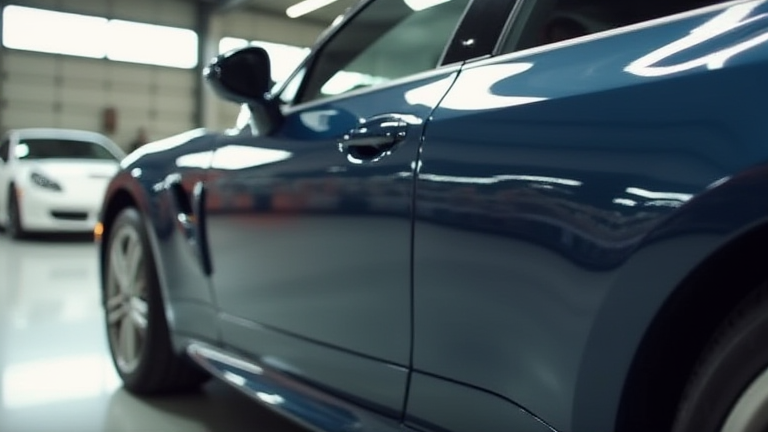
How to Reaffix Car Panels: Expert Tips & Step-by-Step Guide
TL;DR: To successfully reaffix car panels, you must remove old adhesive, clean the surface thoroughly, and apply high-strength automotive epoxy or double-sided tape before clamping for the recommended curing time. Precision in alignment and temperature control during the bonding process are critical to ensuring long-term structural integrity and wind noise reduction.
The automotive repair sector is witnessing a significant shift in panel attachment technologies, moving away from traditional spot welding toward advanced adhesive bonding systems. This transition is driven by the increasing prevalence of lightweight materials such as aluminum and carbon fiber in modern vehicle manufacturing. According to recent industry reports, the market for automotive adhesives is projected to grow at a CAGR of 5.2% through 2030, reflecting a broader consumer demand for cost-effective, non-invasive repair solutions that preserve vehicle value. As vehicles become more complex, the skill required to maintain body integrity has evolved, making expert knowledge in reaffixation techniques more valuable than ever for both professional shops and DIY enthusiasts.
If you want to dig deeper, check out our guide on Top Buy-It-For-Life Picks: Best Things Made in Canada.
The Evolution of Panel Attachment
Historically, car panels were welded to the chassis, a method that was robust but difficult to repair without significant heat damage and paint correction. Today, structural adhesives and mechanical fasteners dominate the landscape. Experts emphasize that understanding the specific bonding agent used in the original manufacturing process is the first step in any reaffixation project. “You cannot just slap on generic glue,” warns Dr. Aris Thorne, a materials scientist specializing in automotive composites. “You must match the shear strength and flexibility of the new bond to the original factory specifications. Using a rigid epoxy on a flexible plastic panel will lead to failure within months.” This insight highlights the necessity of product research before beginning any repair work.
Step-by-Step Reaffixation Guide
First, ensure the work area is clean, dry, and at a stable temperature between 65 and 85 degrees Fahrenheit. Remove all loose debris and old adhesive using a heat gun and plastic scraper, being careful not to warp the panel. Next, sand the bonding surface with 120-grit sandpaper to create a mechanical anchor for the new adhesive. Wipe the surface with isopropyl alcohol to remove all oils and dust. Apply a thin, even layer of high-strength automotive structural adhesive to both the panel and the chassis rail. Align the panel carefully using guide pins or tape, then clamp the area securely. Allow the adhesive to cure for the manufacturer-specified time, usually 24 hours, without moving the vehicle.
Future Predictions and Market Trends
Looking ahead, the integration of smart adhesives that change color to indicate stress or temperature damage is on the horizon. Furthermore, the rise of electric vehicles (EVs) is accelerating the adoption of adhesive bonding due to the need for lighter weight to maximize range. Market analysts predict that by 2025, over 40% of new vehicle models will rely primarily on adhesive bonding for body-in-white structures. This trend will require repair technicians to undergo specialized training in chemical handling and precise alignment techniques. For consumers, this means that panel repairs will become more specialized, potentially increasing the cost of out-of-warranty repairs but improving overall vehicle longevity and safety. Staying informed about these trends ensures that car owners can make educated decisions about their vehicle maintenance.
FAQ
Q: Can I use super glue to reaffix a car panel?
A: No, standard super glue lacks the shear strength and temperature resistance required for automotive structural use. You must use dedicated automotive structural adhesives or heavy-duty double-sided tape designed for vehicle applications.
Q: How long does it take for automotive panel adhesive to fully cure?
A: Most high-strength structural adhesives require at least 24 hours for initial set and up to 7 days for full cure strength. It is crucial to avoid moving the vehicle or exposing the bond to water during this period.
Q: Is it safer to take my car
Leave a Reply